From MTV to YouTube: How Music Videos Rewired Pop Culture in Forty Years
Using Madonna’s record 2026 VMA nominations as a hook, this piece traces music videos from MTV’s 1981 launch through Queen and Kral TV to today’s YouTube era.
Madonna’s 2026 VMA Run and a Long Visual Tradition
On 18 August 2026 MTV announced its new VMA nominations: Madonna tops the list with 11 nods, from video, song and artist of the year to collaboration, choreography and visual effects. ([apnews.com](https://apnews.com/article/e9ac1be3adfd613c3bc348e83543832e)) According to the Associated Press, she has now been nominated for MTV awards in every decade of her career, underscoring how closely her work is tied to the history of the music video itself.
History.com notes that in the 1980s MTV’s heavy rotation of artists such as Madonna, Michael Jackson, Prince and Duran Duran helped turn them into global icons. ([history.com](https://www.history.com/this-day-in-history/august-1/mtv-launches)) Madonna’s continuing dominance on a list that rewards visual as much as musical innovation shows that the award show is really judging an art form born on television but constantly reinvented on new screens.
August 1, 1981: “Video Killed the Radio Star” Switches MTV On
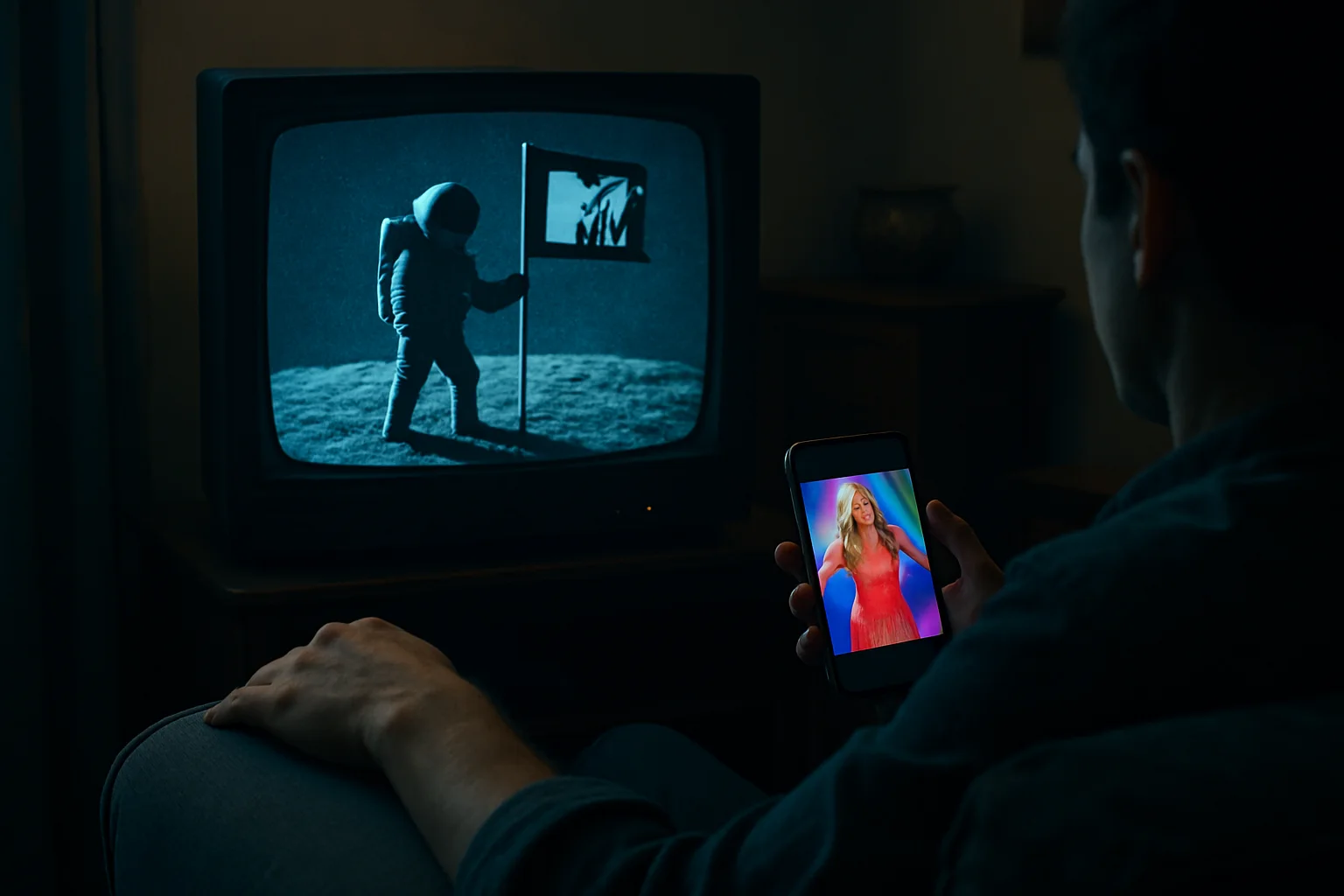
MTV (Music Television) went on the air in the United States just after midnight on 1 August 1981. The opening sequence cut between NASA shuttle footage and an astronaut planting an MTV flag on the Moon, over which creator John Lack proclaimed, “Ladies and gentlemen, rock and roll.” The channel then played its first ever music video: The Buggles’ “Video Killed the Radio Star.” ([history.com](https://www.history.com/this-day-in-history/august-1/mtv-launches))
Guinness World Records records that song as the first video broadcast on MTV, while History.com emphasises how quickly the station revolutionised the record industry by turning videos into key promotional tools. ([guinnessworldrecords.com](https://www.guinnessworldrecords.com/world-records/101515-first-video-shown-on-mtv)) The lyric that claimed radio was being “killed” by video was tongue-in-cheek, but it captured a real shift from sound-only media towards a culture where image and music merged on screen.
Before MTV: Soundies, Scopitones and Beatles Promos
Yet the music video did not begin with MTV. In a detailed survey for the Danish film journal 16:9, scholar Mathias Bonde Korsgaard traces earlier media forms: 1940s American “Soundies,” short musical films played in café jukebox machines, and 1960s Scopitone films in Europe, which paired pop songs with stylised, sometimes campy imagery. ([16-9.dk](https://16-9.dk/2014/06/i-dont-want-my-mtv/)) Many visual tricks familiar from later videos—dance numbers in unusual locations, playful editing—were already being tested there.
The same article points to The Beatles’ films A Hard Day’s Night (1964) and Help! (1965), and to their later promotional clips, as key steps towards what we now call the music video: rather than just show a band miming on stage, the camera could follow narrative fragments, visual jokes or conceptual tableaux that commented on the song. ([16-9.dk](https://16-9.dk/2014/06/i-dont-want-my-mtv/)) MTV would later gather such experiments into a 24-hour television flow.
“Bohemian Rhapsody” and the Template of the Modern Music Video
Queen’s 1975 video for “Bohemian Rhapsody” is widely cited as a turning point. When the clip passed one billion views on YouTube in 2019, the platform’s official blog described it as “generally recognized as the first-ever promotional music video,” setting a gold standard for the genre. ([blog.youtube](https://blog.youtube/news-and-events/queens-iconic-bohemian-rhapsody-video/)) While that label is debated, there is broad agreement that its impact on later video aesthetics was enormous.
Directed by Bruce Gowers, the video combines performance footage, dramatic lighting and multi-exposed close-ups of the band into a visual structure that mirrors the song’s operatic shifts. Scholarly work on Queen and music video history often treats it as an early “concept video,” where imagery interprets the track rather than simply documenting a concert. ([collectionscanada.gc.ca](https://www.collectionscanada.gc.ca/obj/thesescanada/vol2/002/NR54332.PDF)) In doing so, it anticipated many of MTV’s more ambitious clips.
How Music Television Reshaped the Record Industry
In MTV’s early years, record labels supplied videos to the channel for free, trading content for the prospect of national exposure. History.com reports that as MTV’s reach grew, labels began investing heavily in creative, high-budget clips; several directors, among them Spike Jonze and Michel Gondry, cut their teeth on videos before moving into feature films. ([history.com](https://www.history.com/this-day-in-history/august-1/mtv-launches))
Academic writing on music and screen media argues that this was part of a longer convergence between popular music and visual media across the twentieth century. Rather than an add-on, the video became integral to how a song was marketed, consumed and remembered: it supplied a look, a story and a persona to go with the audio track, which in turn shaped fashion, dance and even politics. ([cambridge.org](https://www.cambridge.org/core/books/popular-music-on-screen/i-want-my-mtv-and-my-movies-with-music/8EEDEB91D0C727C24533104C15F6CE09))
Music TV in Turkey: MTV, Kral TV and Number One
Turkey’s own music television history both mirrors and diverges from the global story. A 2022 master’s thesis in cultural studies at Marmara University describes how, as MTV expanded worldwide, many countries set up national music channels to balance Western imports with local content and to support domestic music industries. ([katalog.marmara.edu.tr](https://katalog.marmara.edu.tr/veriler/yordambt/cokluortam/1D/62e242fbba122.pdf))
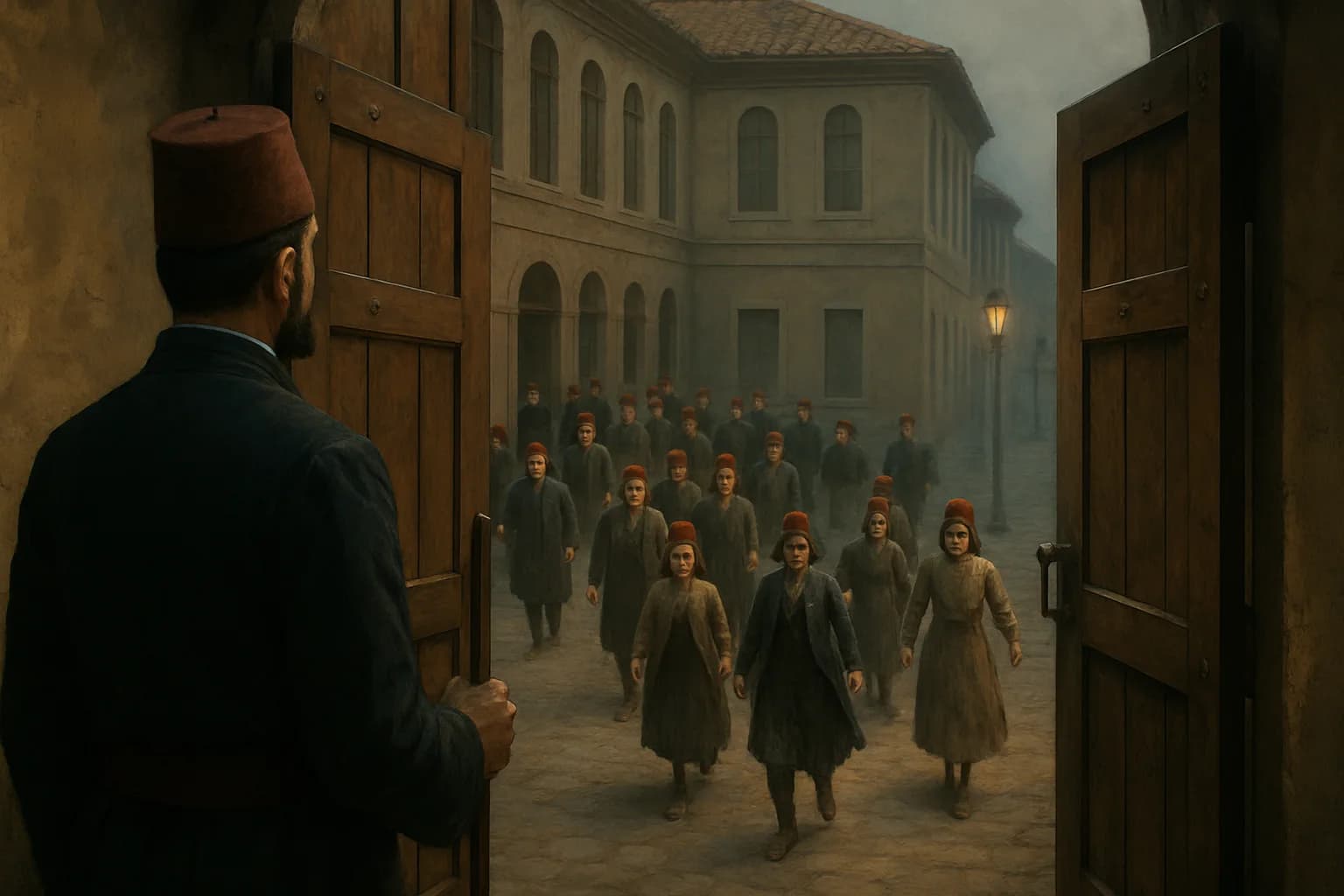
The same study notes that MTV began broadcasting in Turkey in 1994 but initially ran into conflicts with broadcasting regulations and was temporarily banned before returning in 1996 as MTV Turkey and later going off air again in 2011. In parallel, national channels such as Kral TV and Number One TV emerged and eventually filled the space, adopting elements of the MTV format while foregrounding Turkish popular music and video jockeys who acted as tastemakers. ([katalog.marmara.edu.tr](https://katalog.marmara.edu.tr/veriler/yordambt/cokluortam/1D/62e242fbba122.pdf))
Kral TV and the 1990s Explosion of Turkish Music Videos
Journalist Aslı Atasoy’s long feature in T24, written for Kral TV’s 30th anniversary, calls it “the country’s first thematic music channel,” founded by Cem Uzan in mid-1994. She notes that after its August 1994 launch, Kral TV quickly became the focal point of Turkey’s pop boom: a clip going into heavy rotation could make a singer famous overnight and drove unprecedented cassette and CD sales out of the Unkapanı music hub. ([t24.com.tr](https://t24.com.tr/yazarlar/asli-atasoy/kral-a-bakmak-90-li-yillarda-muzik%2C43369))
An interview on Medyascope with music writer Acerakis adds another perspective: Kral TV, established in 1994 and later acquired by the Doğuş Group, was once essential for reaching mass audiences, but by 2019 producers no longer “needed” such channels because digital platforms allowed them to promote albums directly online. ([medyascope.tv](https://medyascope.tv/2019/01/30/acerakis-muzik-yapimcilarinin-artik-albumlerini-genis-kitlelere-ulastirabilmek-icin-kral-tv-ve-benzerlerine-ihtiyaci-kalmadi/)) This shift from broadcast gatekeepers to on-demand platforms is key to understanding how music videos circulate today.
The YouTube Era: When Every Screen Is a Channel
YouTube’s launch in 2005 triggered a second revolution. Viewers no longer had to wait for a favourite video to appear in a channel’s rotation; they could search, replay and share it instantly. For many songs today, the first contact point is the video on YouTube or another platform rather than radio or television, and “official video” uploads often double as the primary distribution channel for the track.
The endurance of “Bohemian Rhapsody” provides a vivid example. When the video passed the one-billion-view mark on YouTube in 2019, the company highlighted it as the first pre-1990s clip to reach that milestone and stressed how it continues to attract new generations of fans. ([blog.youtube](https://blog.youtube/news-and-events/queens-iconic-bohemian-rhapsody-video/)) A video made for 1970s television slot now thrives in a digital ecosystem of recommendation algorithms and fan remixes, showing how flexible the music video format has become.
VMAs, Madonna and the Politics of Visual Music
MTV launched the Video Music Awards in 1984 to celebrate—and help shape—the emerging canon of music videos. History.com notes that by the late 1980s the channel had a reputation for pushing at cultural and moral boundaries, with Madonna’s 1989 “Like a Prayer” video, rich in religious and sexual imagery, prompting boycotts and corporate backlash. ([history.com](https://www.history.com/this-day-in-history/august-1/mtv-launches)) The VMAs both rewarded such experiments and turned them into carefully staged live spectacles.
Guinness World Records lists Madonna as the female artist with the most MTV Video Music Awards, while the AP story on the 2026 nominations mentions 19 competitive VMA wins. ([assets.website-files.com](https://assets.website-files.com/6755677f0a834d84336227b3/677c74de8e5d344187dad895_32602878671.pdf)) Her 11 fresh nominations this year, at age 68, show how enduringly central visual performance remains to her star image. They also highlight how awards like the VMAs still function as barometers of which aesthetics—and which bodies, genders and narratives—are granted visibility in global pop culture.
What Are Music Videos For Now?
Recent scholarship increasingly treats music videos as freestanding cultural texts rather than mere marketing tools. Korsgaard argues that the form has been declared “dead” several times but repeatedly returns in new guises: from broadcast TV playlists to DVD compilations, then online platforms like YouTube and now the microvideo formats of TikTok and Instagram Reels. ([16-9.dk](https://16-9.dk/2014/06/i-dont-want-my-mtv/)) Each shift alters not only how videos are consumed but also how they are made.
In Turkey, the 1990s boom of Kral TV and Number One nurtured a hybrid visual language drawing on pop, arabesk and rock, while today a similar diversity lives on across YouTube channels, label-run platforms such as netd müzik and countless independent uploads. ([katalog.marmara.edu.tr](https://katalog.marmara.edu.tr/veriler/yordambt/cokluortam/1D/62e242fbba122.pdf)) Music videos have become key spaces where artists stage not only their sound but also their ethnicity, gender, class and political stance—spaces that can be nostalgic, playful or overtly resistant. From MTV’s first broadcast to Madonna’s 2026 VMA campaign, the medium continues to offer a mirror of changing societies as much as of changing music.
Frequently asked questions
When did MTV start, and what was the first video it played?
MTV launched in the United States just after midnight on 1 August 1981. The first music video it aired was The Buggles’ “Video Killed the Radio Star.” This is confirmed both by a detailed history piece on History.com and by Guinness World Records, which lists the track as the first video broadcast on MTV. ([history.com](https://www.history.com/this-day-in-history/august-1/mtv-launches))
Why is Queen’s “Bohemian Rhapsody” video considered so influential?
Queen’s 1975 clip for “Bohemian Rhapsody” is often seen as a prototype for the modern promotional music video. The YouTube Official Blog, celebrating the clip’s one-billion-view milestone in 2019, describes it as generally recognised as the first promotional music video and notes how its imaginative staging, lighting and editing set a benchmark for later videos. ([blog.youtube](https://blog.youtube/news-and-events/queens-iconic-bohemian-rhapsody-video/))
Did MTV actually invent the music video?
No. Earlier formats such as 1940s Soundies, 1960s Scopitone films and The Beatles’ promotional clips all combined pop music with moving images before MTV existed. A long article in the Danish film journal 16:9 shows how these forms already experimented with narrative and conceptual imagery. MTV’s innovation was to build a 24-hour cable channel around such clips and to globalise the format. ([16-9.dk](https://16-9.dk/2014/06/i-dont-want-my-mtv/))
What was the first dedicated music television channel in Turkey?
According to reporting in T24 and research from Marmara University, Kral TV, launched in mid-1994 by Cem Uzan, was Turkey’s first thematic music channel. Its August 1994 debut ushered in an era in which having one’s video on Kral could make a singer famous overnight and helped define the country’s 1990s pop boom. ([t24.com.tr](https://t24.com.tr/yazarlar/asli-atasoy/kral-a-bakmak-90-li-yillarda-muzik%2C43369))
Have YouTube and streaming made music TV channels obsolete?
Digital platforms have dramatically reduced artists’ dependence on broadcast music channels—Medyascope’s interview on Kral TV’s closure notes that labels no longer “need” such stations to reach large audiences. ([medyascope.tv](https://medyascope.tv/2019/01/30/acerakis-muzik-yapimcilarinin-artik-albumlerini-genis-kitlelere-ulastirabilmek-icin-kral-tv-ve-benzerlerine-ihtiyaci-kalmadi/)) But linear music channels still offer curated flows, nostalgia and access to viewers who may not actively search for videos online. Rather than one replacing the other, broadcast and digital now coexist, each shaping how music videos are made and discovered.
Sources and further reading
- MTV launches — History / A&E Television Networks, 2009-11-13
- First video shown on MTV — Guinness World Records
- Queen's iconic 'Bohemian Rhapsody' video reaches historic 1 billion views milestone on YouTube — YouTube Official Blog, 2019-07-22
- I Don’t Want My MTV: Musikvideoens forhistorie — 16:9 filmtidsskrift, 2014-06-13
- Kral'a bakmak: 90'lı yıllarda müzik — T24, 2024-02-03
- Acerakis: “Müzik yapımcılarının artık albümlerini geniş kitlelere ulaştırabilmek için Kral TV ve benzerlerine ihtiyacı kalmadı” — Medyascope, 2019-01-30
- From Germany to Pop Charts in Turkey: An Analysis of Turkish-German Musicians’ Identity Performances Through Rnbesque Music — Marmara University, Institute of Social Sciences, 2022
- Madonna leads 2026 MTV Video Music Awards nominations, followed by Taylor Swift — Associated Press, 2026-08-18
Keep exploring: Use the topic hub for closely related articles or browse the full archive instead of starting a new search.