Igigi
Who Were the Igigi? Mesopotamian Gods Explained
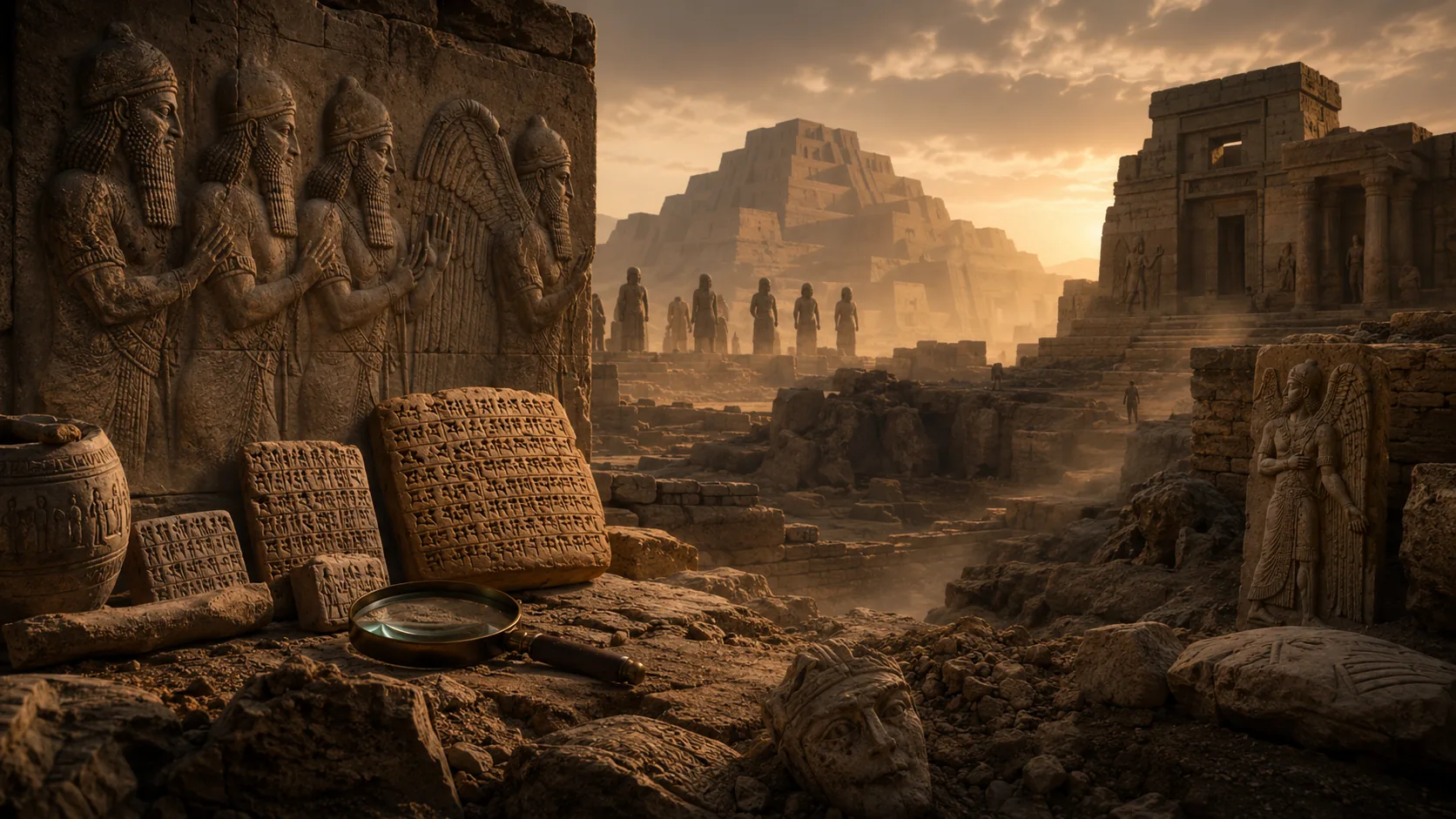
The Igigi were a group of gods in Akkadian-language Mesopotamian texts. See their relationship with the Anunnaki, their role in Atrahasis and why the categories overlap.
English archive search
Searches match titles, summaries, topics and labels. Try a civilization, object, script or disputed claim.
103 articles
The Igigi were a group of gods in Akkadian-language Mesopotamian texts. See their relationship with the Anunnaki, their role in Atrahasis and why the categories overlap.
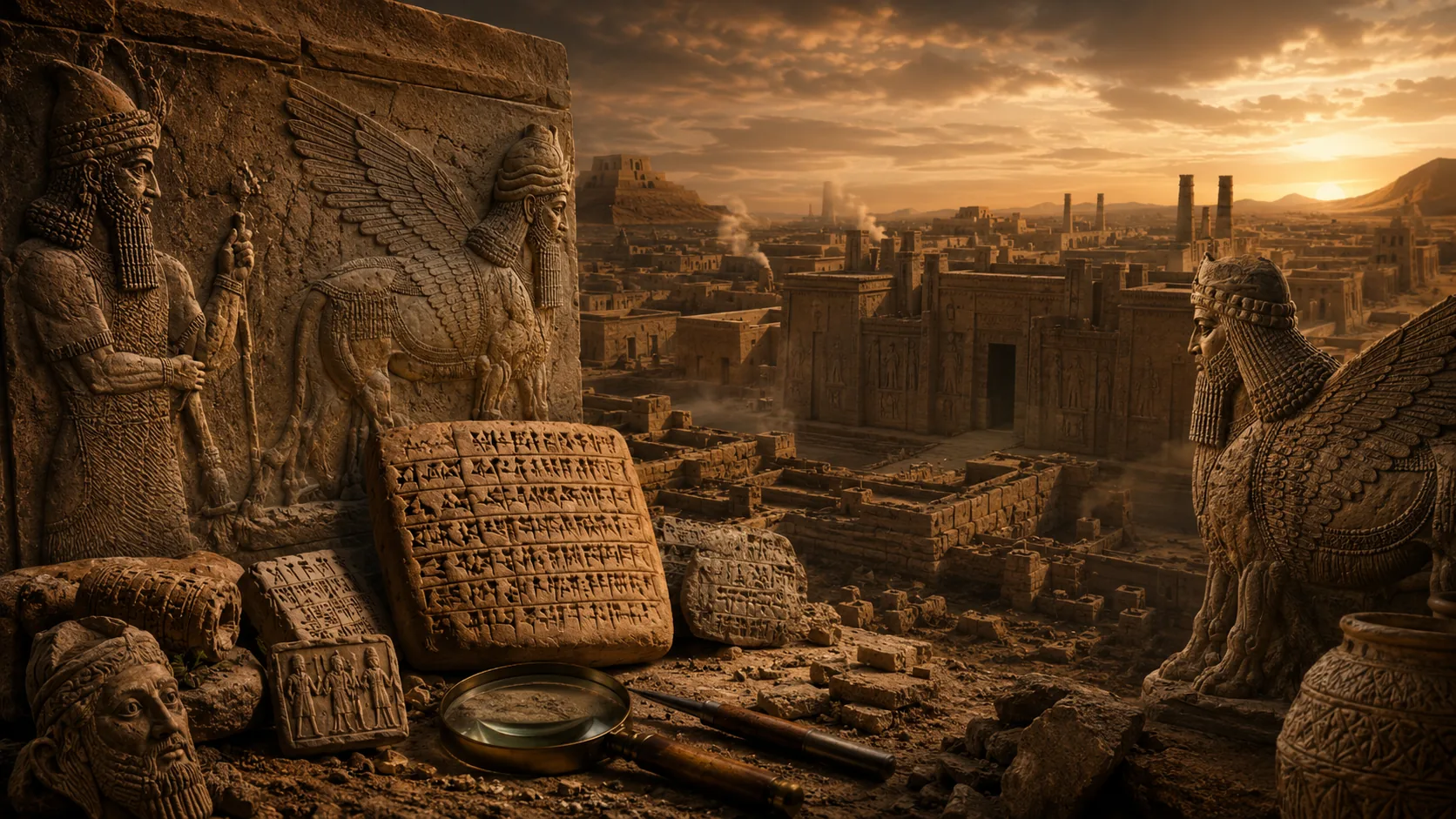
The Anunnaki were a changing group of deities in Mesopotamian religion, not a single fixed list. See how Sumerian and Akkadian texts use the term and what modern claims get wrong.
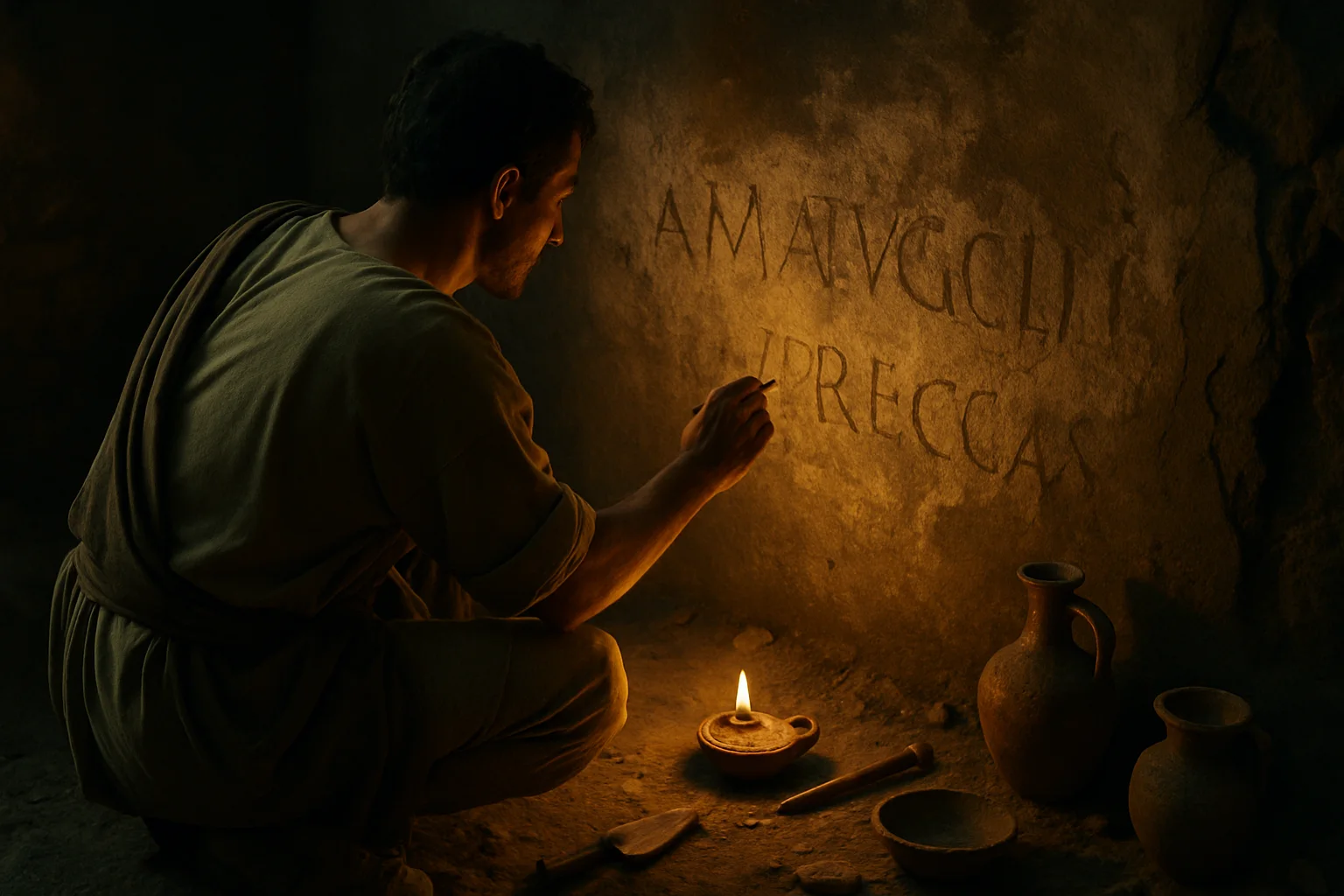
Pompeii’s walls preserve election notices, names, jokes, insults, love messages and everyday marks. See what Roman graffiti reveals—and what it cannot tell us by itself.
Çatalhöyük had tightly packed mudbrick houses with few street-like gaps. See how roof access worked, what archaeologists found inside homes and why “rooftop city” is useful but imperfect.
A small bronze wheeled object from Casas del Turuñuelo drew attention to Tartessian ritual and craftsmanship. See what archaeologists found and what the object can—and cannot—prove.

Looking for books on ancient technology without pseudoscience? Start with archaeology, engineering evidence, primary texts and museum-backed research, then separate speculation from documented methods.
How do scholars read Sumerian cuneiform? Follow the process from identifying signs and transliteration to grammar, lexical lists, parallel texts and translation.
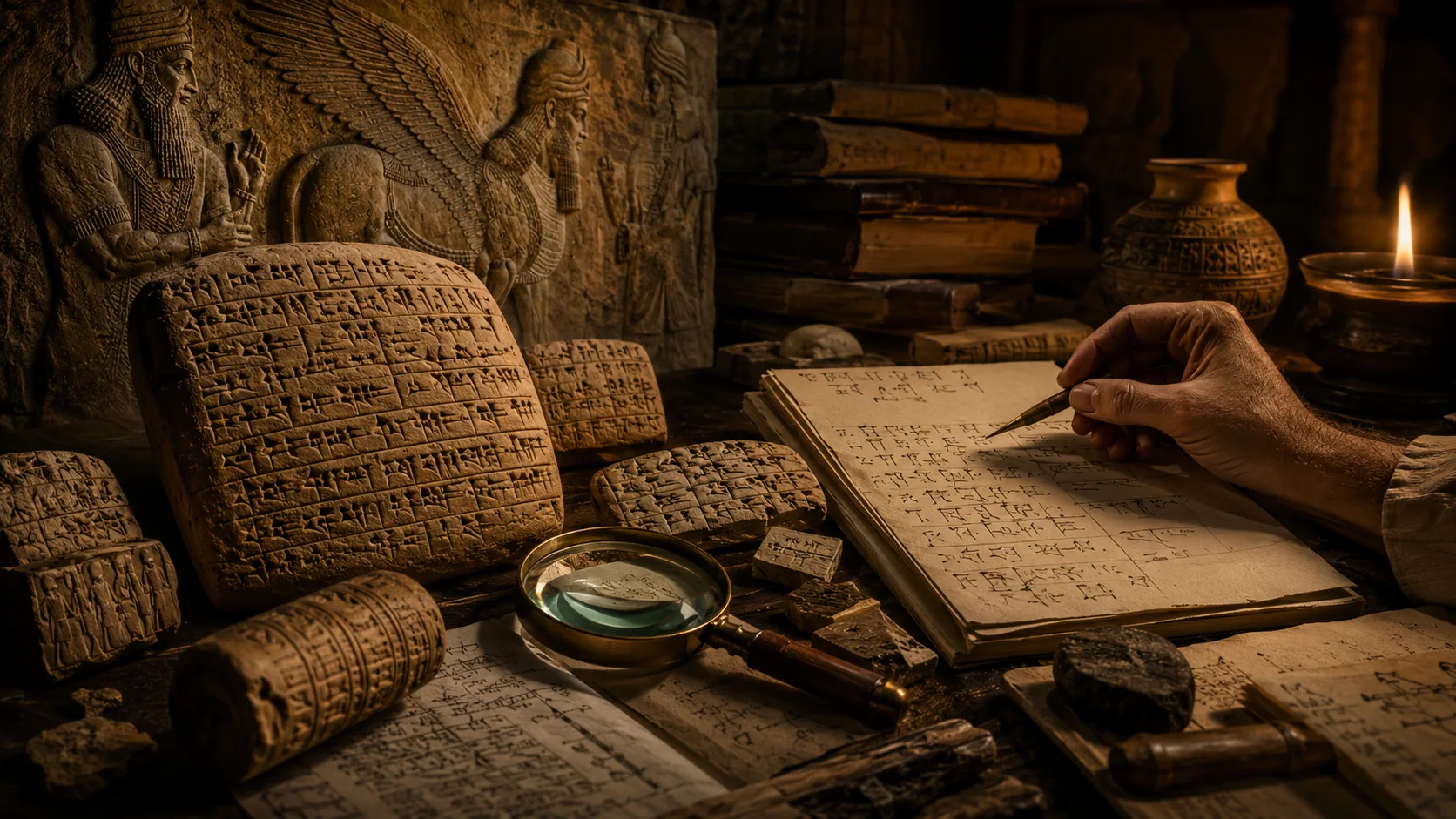
How the multilingual Behistun Inscription gave scholars a comparative key for reading Old Persian, Elamite and Babylonian cuneiform.
The Indus script appears on thousands of objects, but most inscriptions are extremely short. See why the unknown language, short texts and lack of a bilingual inscription block decipherment.
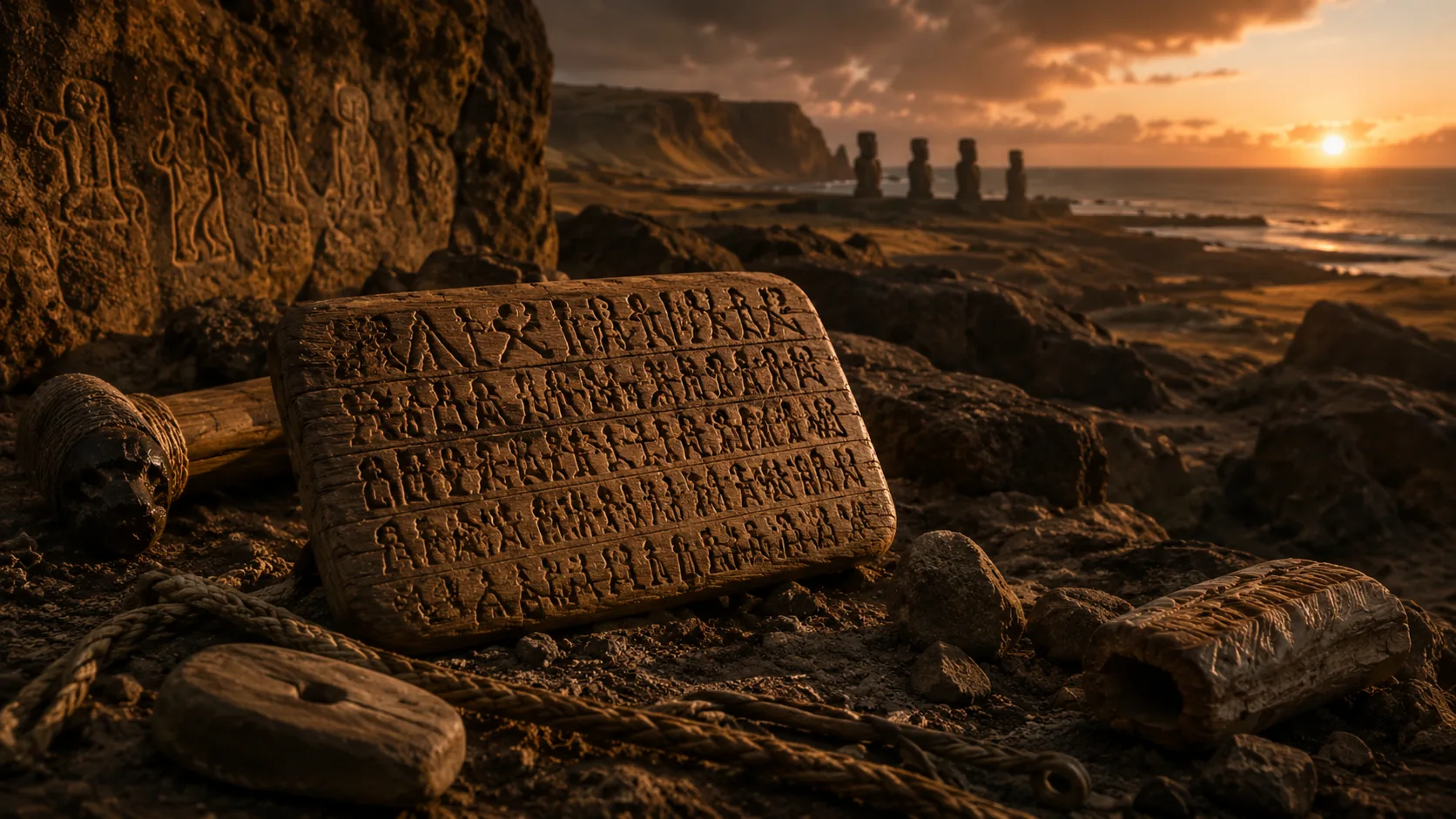
Rongorongo survives on a small number of inscribed Rapa Nui objects. Learn how the signs are arranged, what scholars can identify and why no accepted decipherment exists.

Linear A can be partly sounded out by comparison with Linear B, but the underlying Minoan language remains unknown. See exactly what scholars can and cannot read.
The Bible does not name the Anunnaki. Compare the Mesopotamian Anunnaki with the biblical Nephilim, the texts they come from and why modern theories combine them.
Anunnaki and Igigi are not simply two names for the same gods. Compare how Mesopotamian texts use each group, where they overlap and what Atrahasis actually says.
The Phaistos Disc carries repeated stamped signs but only one short text of its kind. See why 45 sign types are not enough for a secure decipherment and what scholars can test.
We examine the 1923 Treaty of Lausanne, the compulsory Greece–Turkey population exchange, archival evidence and contested claims of 'genocide' in light of diplomatic tensions of 14–15 Sept 2026.
An evidence-led survey of Libya's coastal archaeological sites, Ottoman and Italian legacies, and the contemporary challenges of protecting cultural heritage.
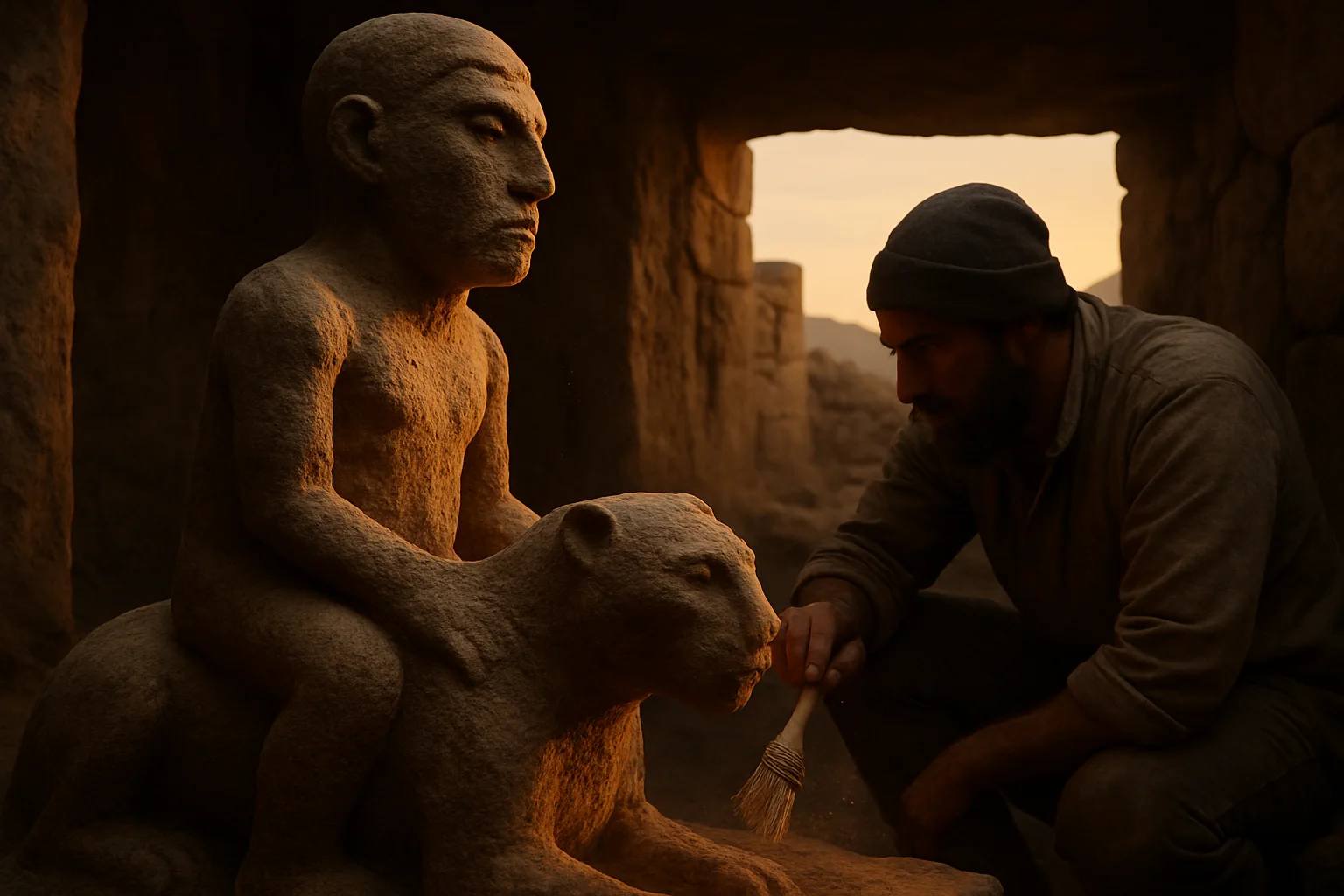
A recently unearthed 11,000‑year‑old statue from Karahantepe showing a human seated on a leopard raises fresh questions about ritual practice, three‑dimensional sculpture and human–animal imagery in early Neolithic Anatolia.

The reopened probe into the 2011 in-custody death of former MIT officer Kaşif Kozinoğlu and the exhumation ordered for 11 September 2026; the article places the case within forensic practice and archival evidence.

From a 2019 Luwian inscription to TKAP’s 2024–2026 field seasons: how Türkmen‑Karahöyük and the Hartapu inscription are reshaping the political map of Iron Age Anatolia.
Framed by current BEDAŞ outages, this piece traces Istanbul’s electrification from Silahtarağa (Santral İstanbul) through Ottoman and Republican institutional change to today’s distribution challenges.
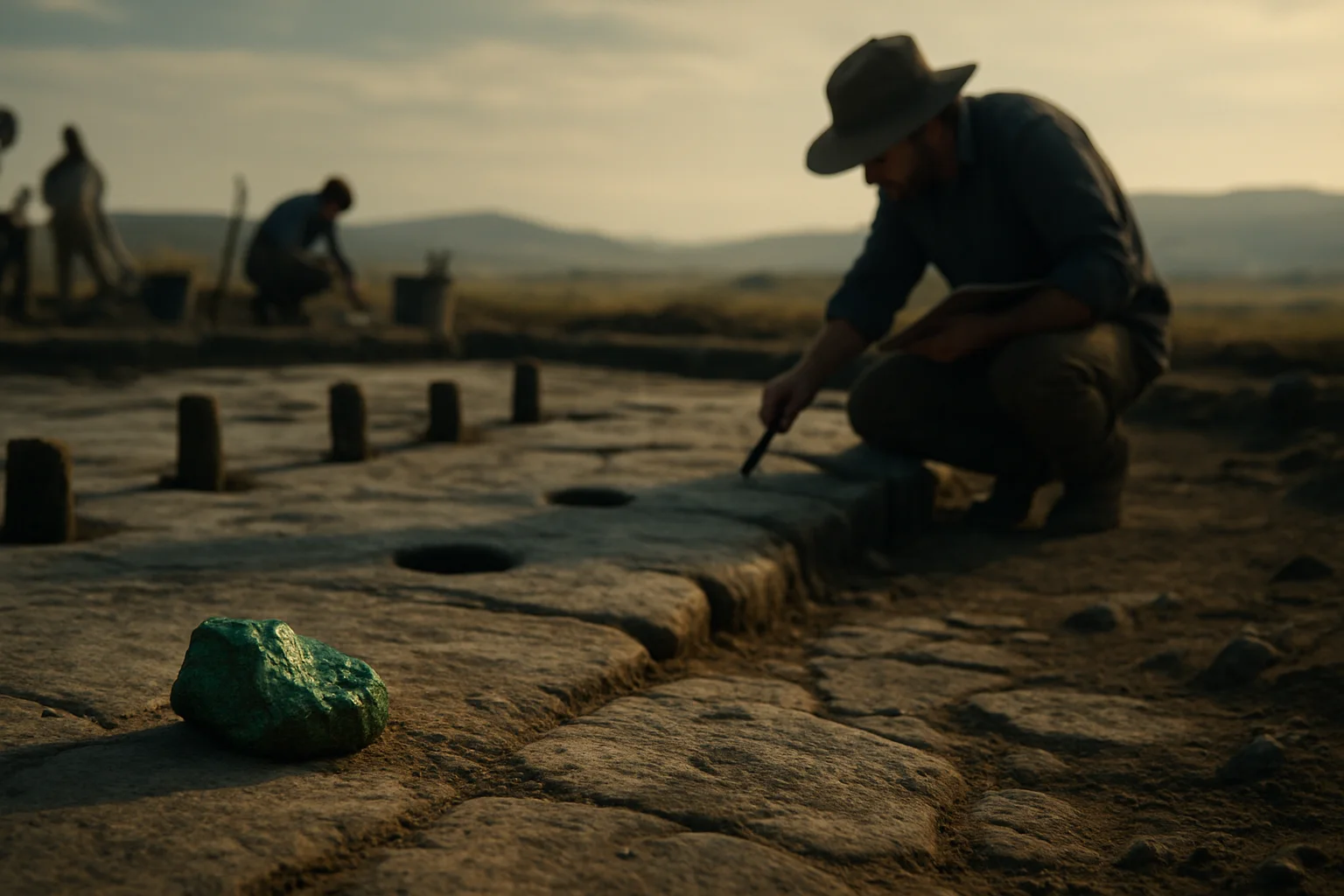
A ~5 m² malachite‑and‑copper workshop announced from Çayönü Tepesi in 2026 offers new evidence about Neolithic production spaces, resource access and the deep history of Anatolian metallurgy.
A historical look at Eid al‑Fitr in Turkey: Islamic origins, Ottoman court ceremonies and popular customs, and how the Republic codified the holiday and social practices such as fitr.
Through the EU's 2025–2026 EES rollout, this piece traces the long history of passports and border control from Ottoman mürur tezkeresi and the 1911 Passport Law to contemporary biometric border systems.
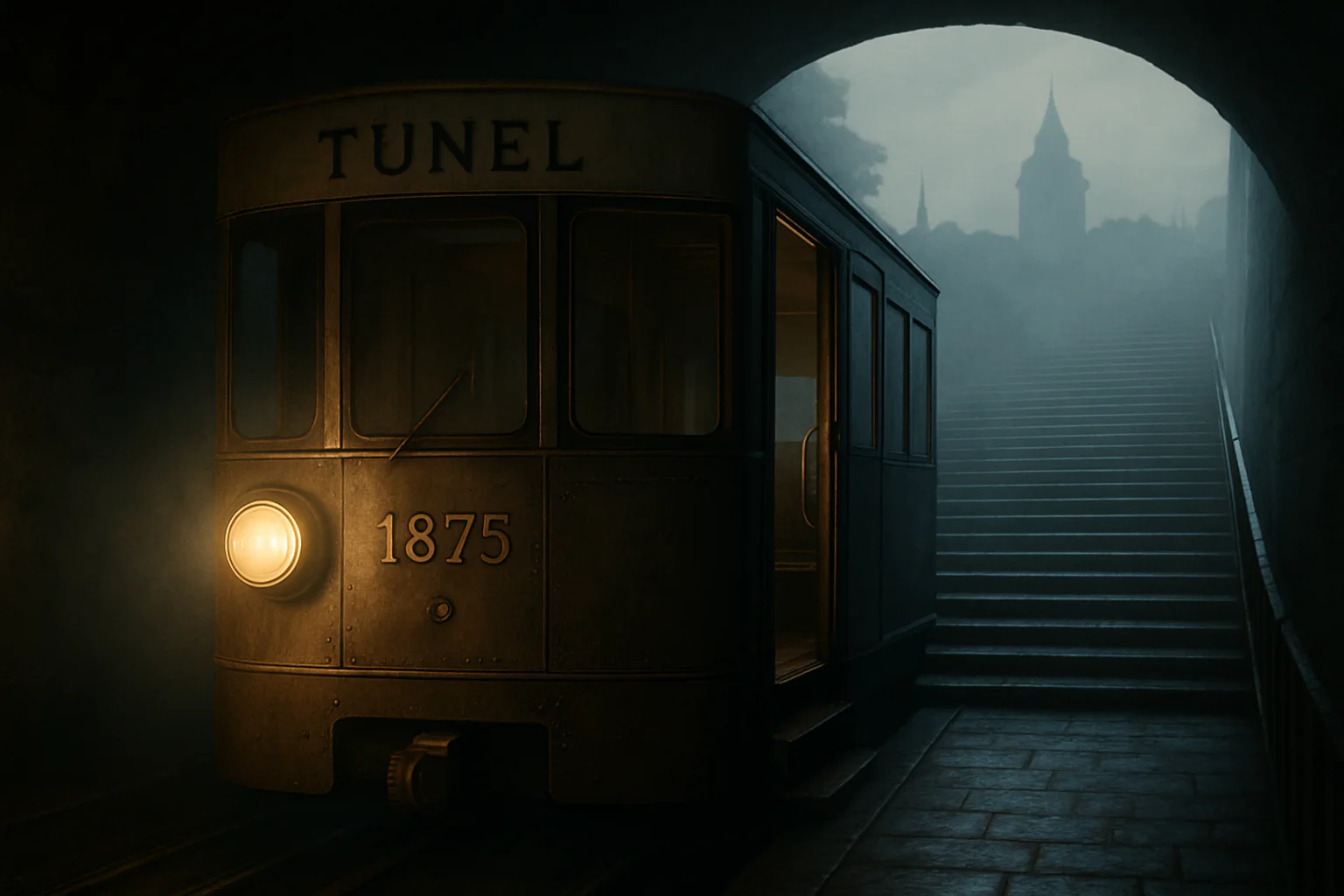
A documented account of the Karaköy–Beyoğlu Tünel (1875): engineer Henry Gavand, 19th‑century transport technology, urban change and continuity with modern tunnel projects.
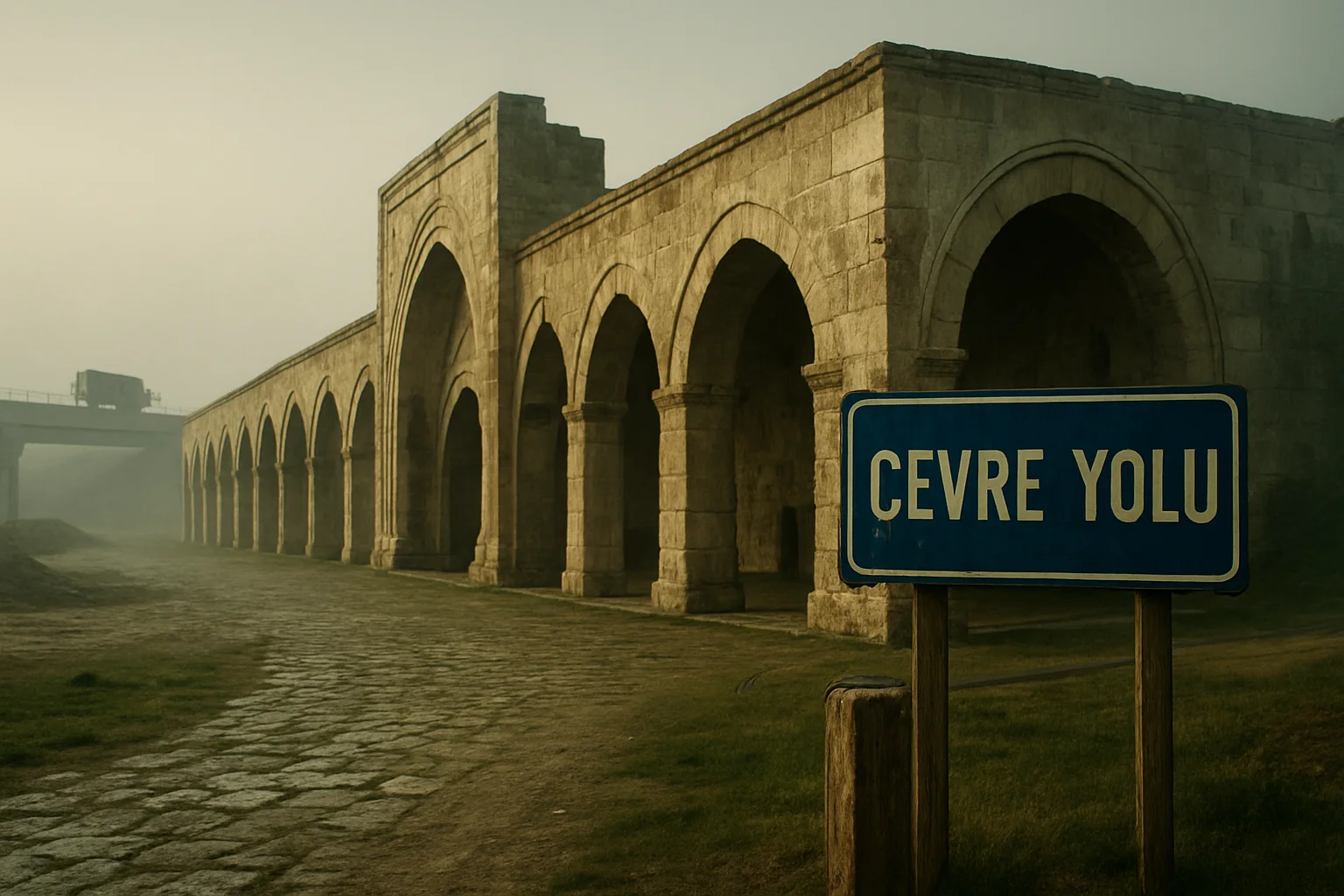
Using the current 'bypass' debate as a hook (e.g. Eskişehir), this piece traces Anatolia’s road history — ancient routes, Seljuk caravanserais, Ottoman postal roads and the Republican highway legacy.
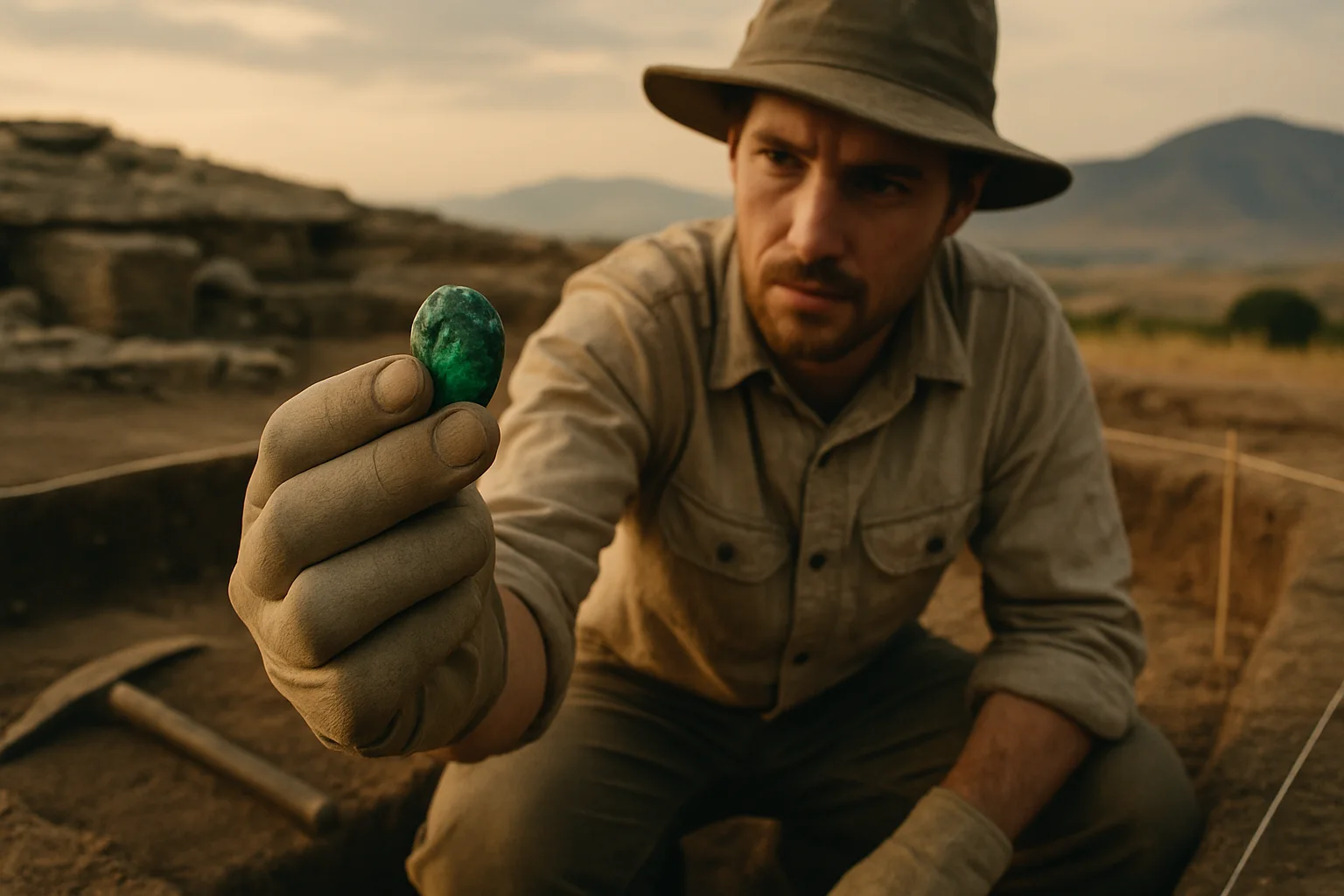
Excavations at Çayönü Tepesi (Ergani, Diyarbakır) revealed a ~5 m² workshop dated to c. 6900–6800 BCE with malachite and native copper traces, shedding light on Neolithic production networks.
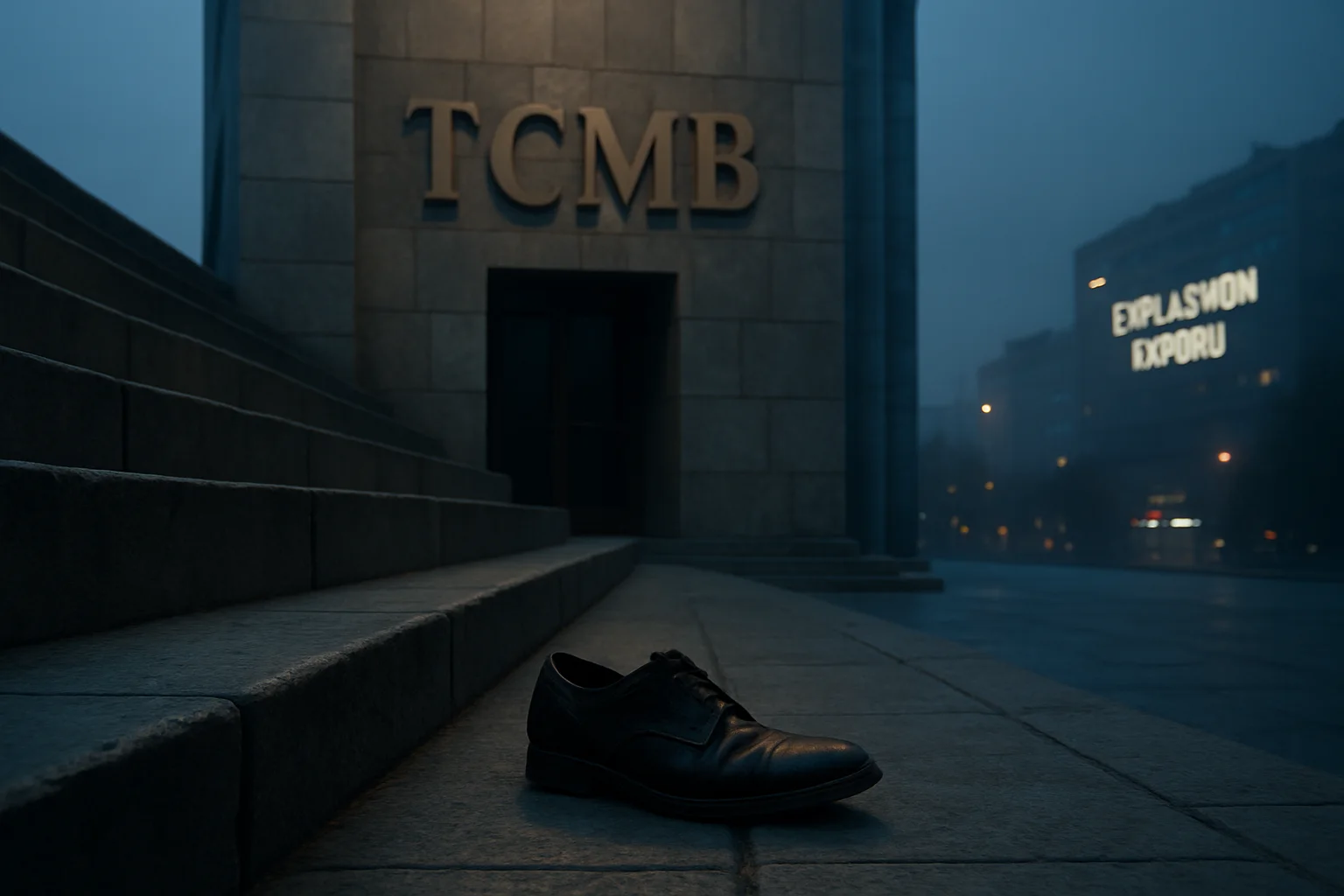
A historical examination from the CBRT's foundation through the 2001 crisis and the adoption of inflation targeting, assessing how institutional change shapes contemporary inflation debates.
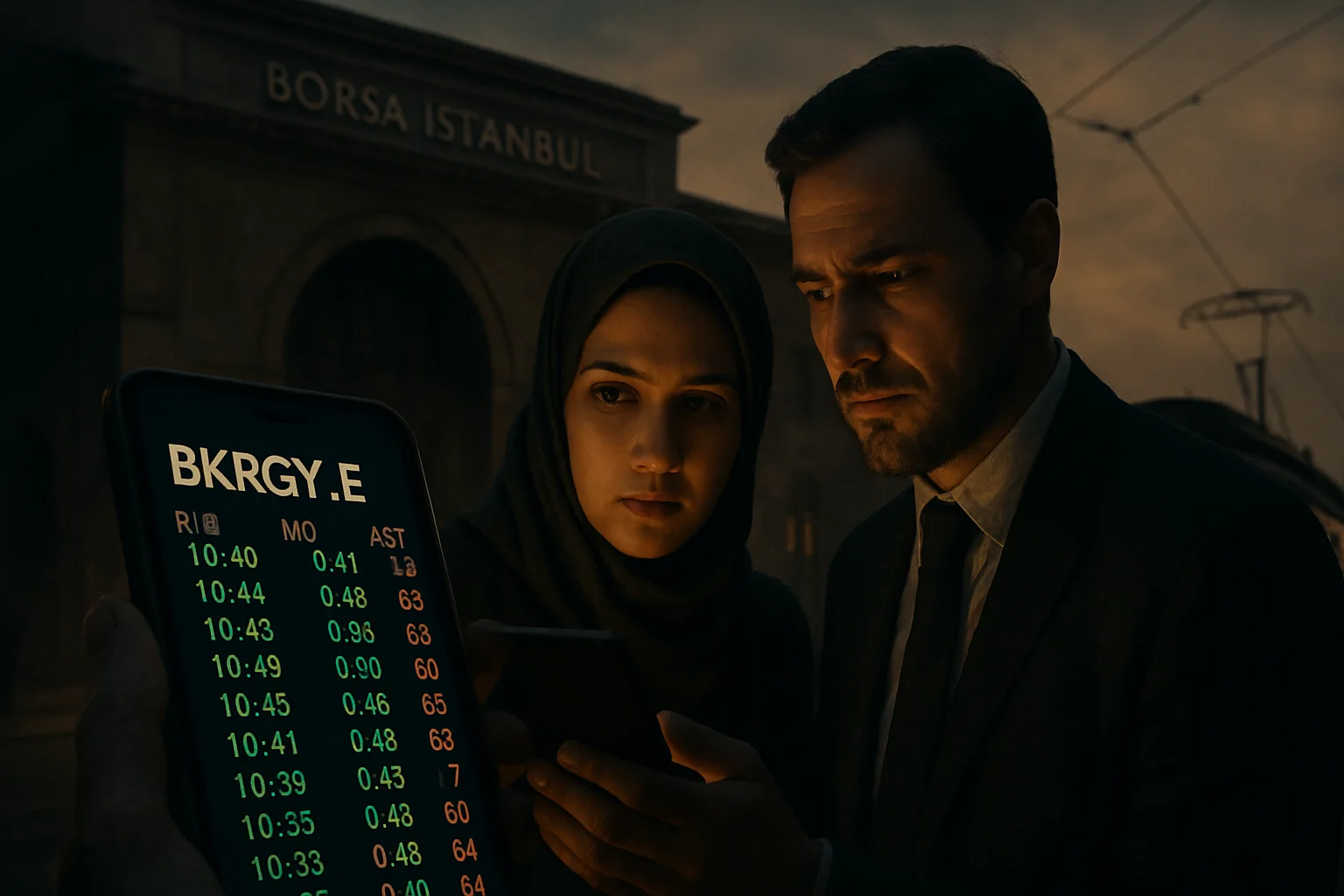
Using Bakırcı GYO’s (BKRGY) first trading on 2 September 2026, we trace Istanbul’s capital market history from 19th‑century Dersaadet bond trading to the present-day Borsa İstanbul.
Analyzing Koç Holding’s announcement as a COP31 ‘Global Business Partner’ through Turkey’s history of hosting major conferences and the changing role of business in climate politics.
We relate recent tremors near Kayseri to the active faults around Mount Erciyes and to centuries of historical earthquake records; combining science and archival evidence to discuss risk and policy.
Why did bank pensioner bonuses balloon in 2026? A document-based history from Ottoman-era provisions to the 2006 SGK reform and the summer 2026 campaigns.
In light of late‑August 2026 Muğla–Antalya fires, this article traces Ottoman and Republican forest management, historical fire causes, and mounting climate risks.
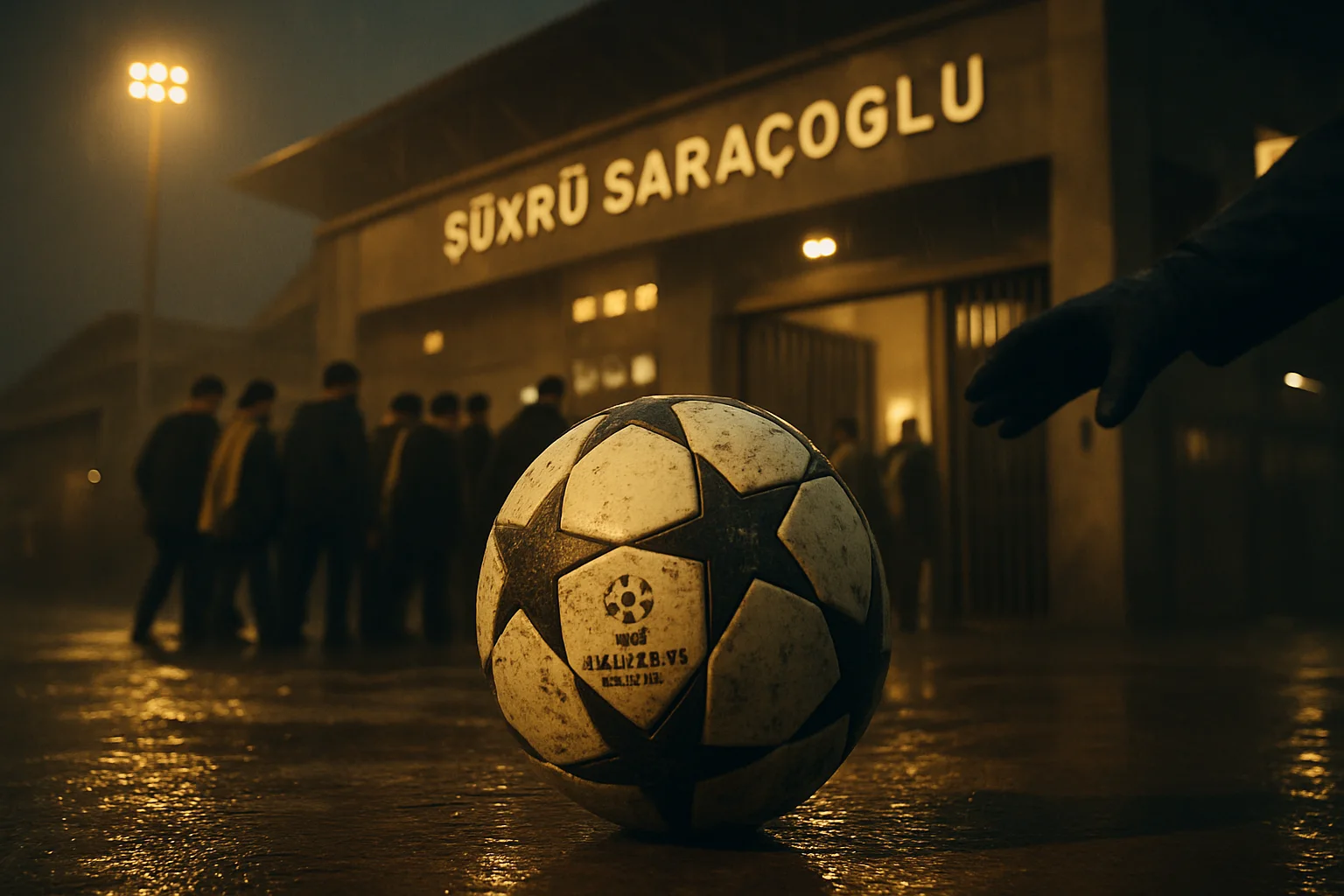
After UEFA’s 27–28 August 2026 draw, Fenerbahçe and Galatasaray know their 2026/27 opponents. This piece places that news in the context of Turkey’s history in European football.
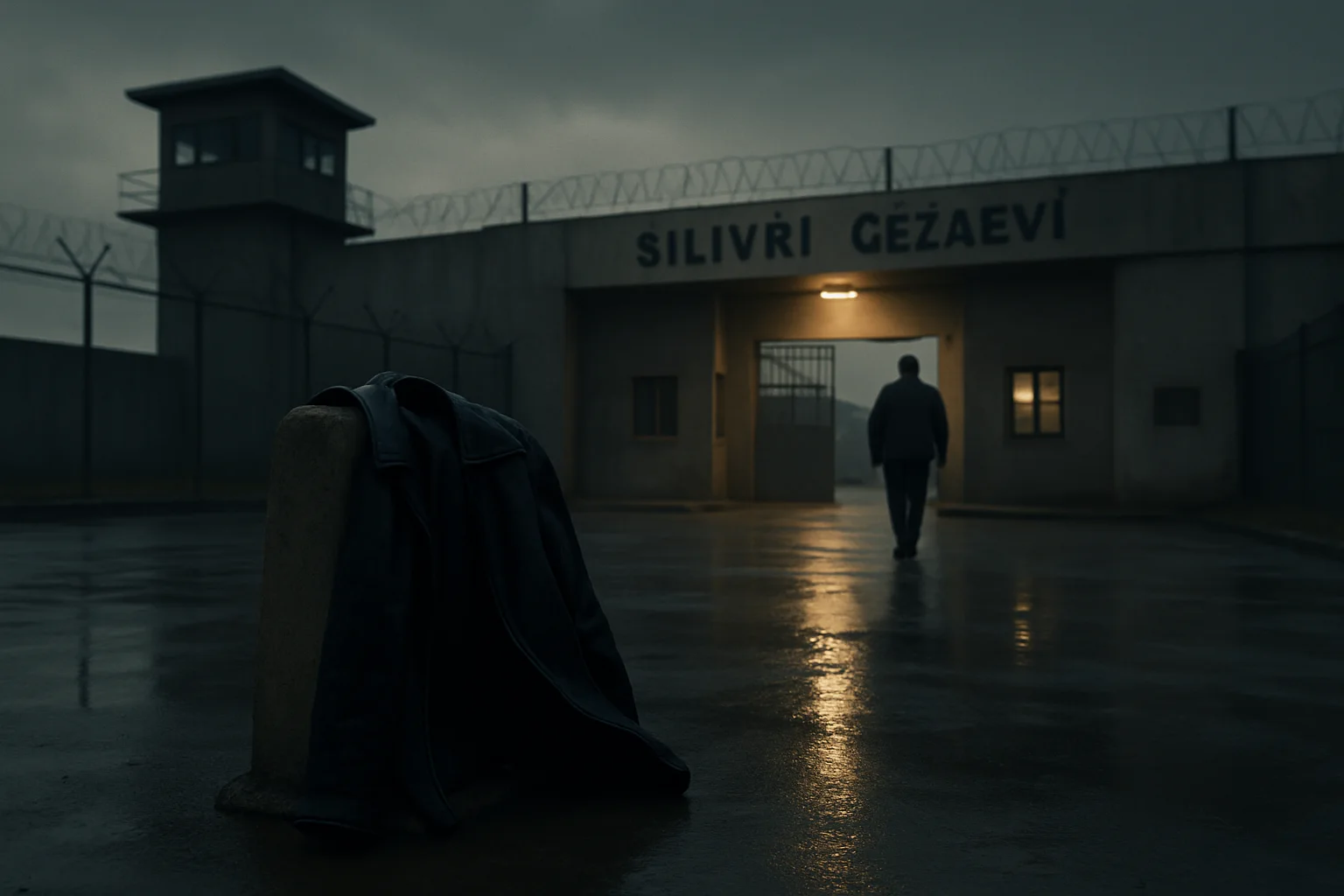
The transfer of Kaşif Kozinoğlu’s 2011 death file to the Faili Meçhul (unsolved crimes) unit in 2026 invites a wider look at prison deaths, intelligence prosecutions and unresolved cases in modern Turkey.

Tracing Turkey’s Special Consumption Tax from Ottoman salt and tobacco monopolies to the 2002 Excise Duties Law and its impact on fuel and car prices.
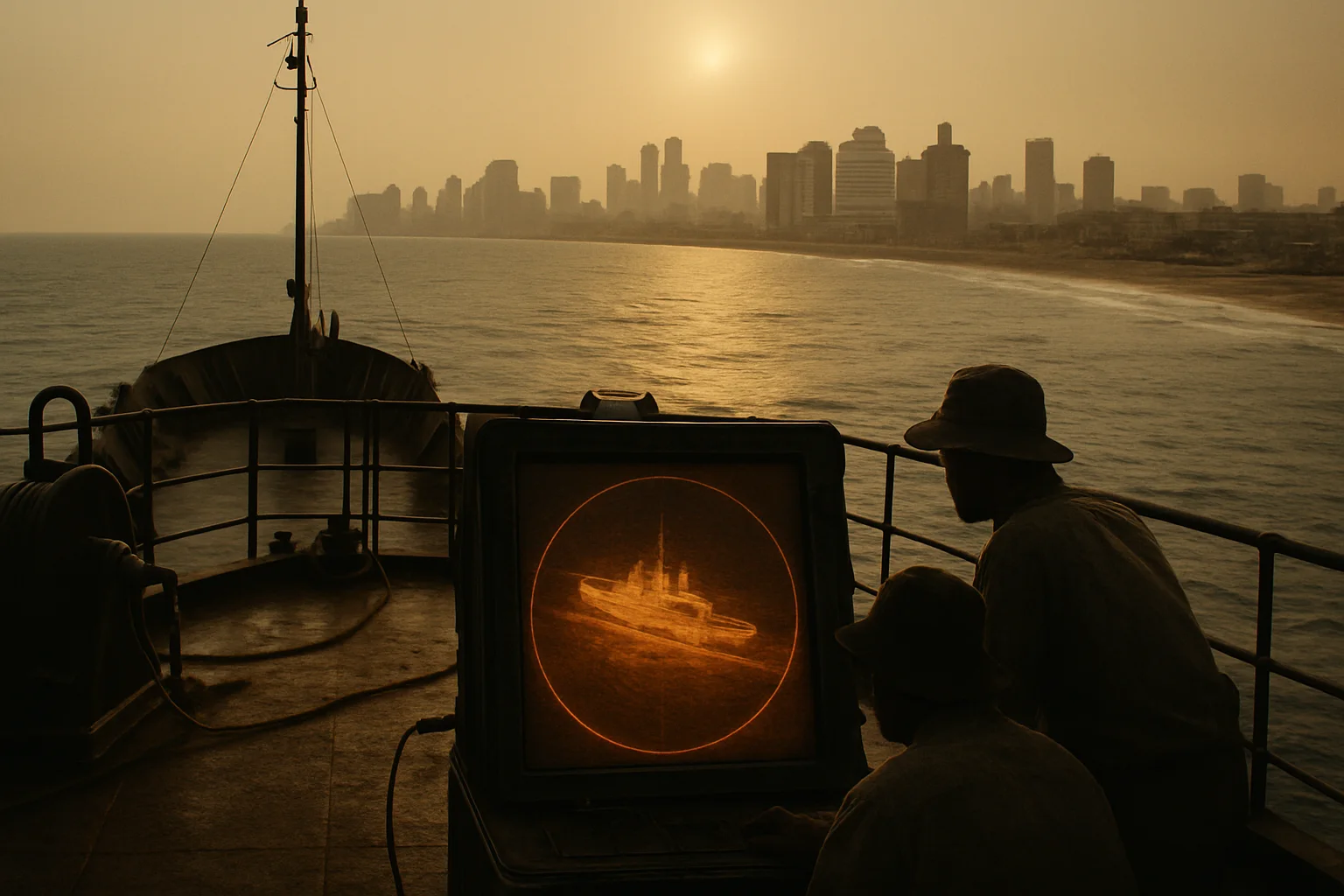
The 2026 discovery of the Altalena wreck revives the story of how an Irgun arms ship was shelled off Tel Aviv in 1948 as Israel imposed a single national army.
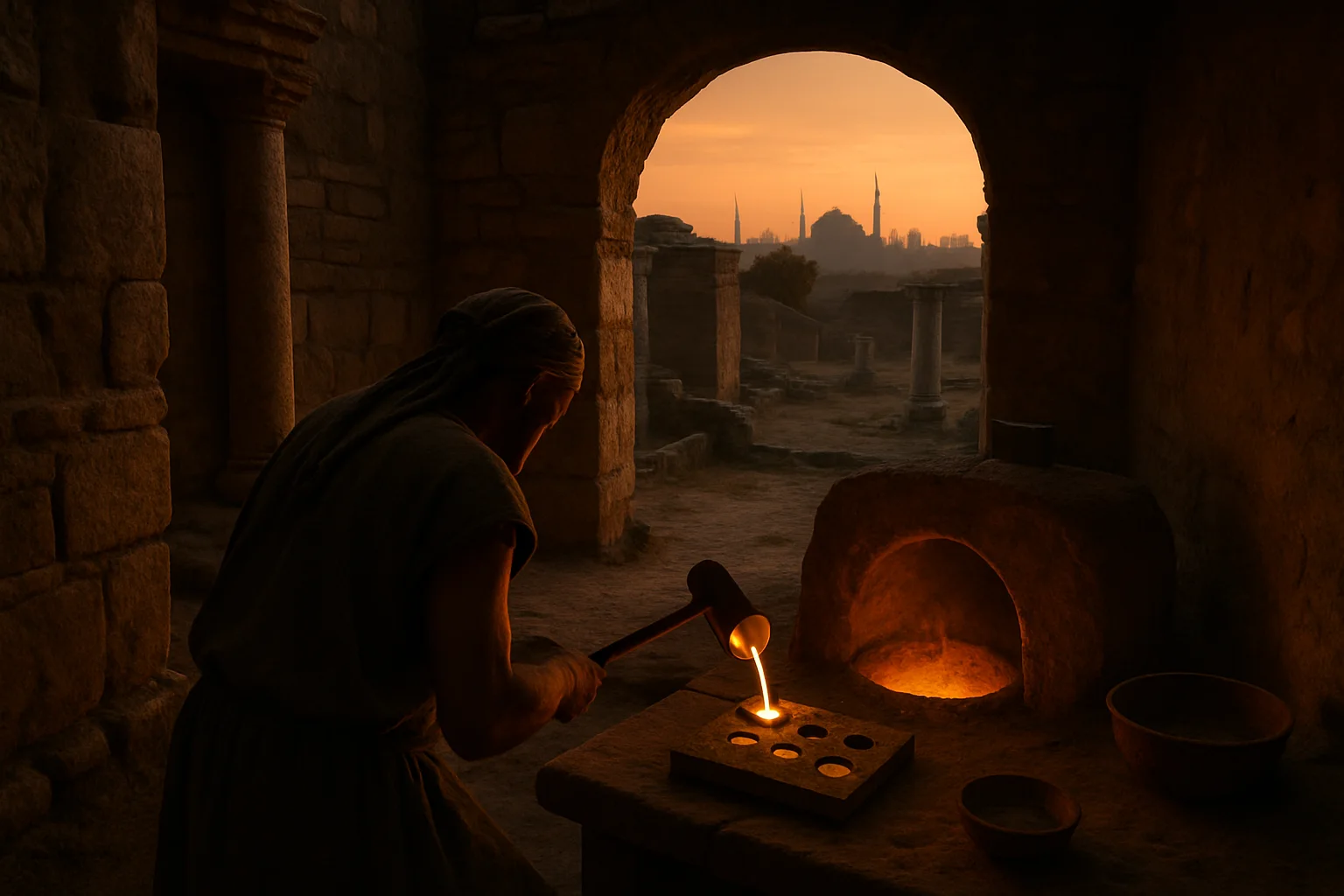
As people in Türkiye watch the live gold price, few realise they are part of a 2,500‑year story that runs from Lydian coins to Ottoman sultani pieces and modern Republic gold.
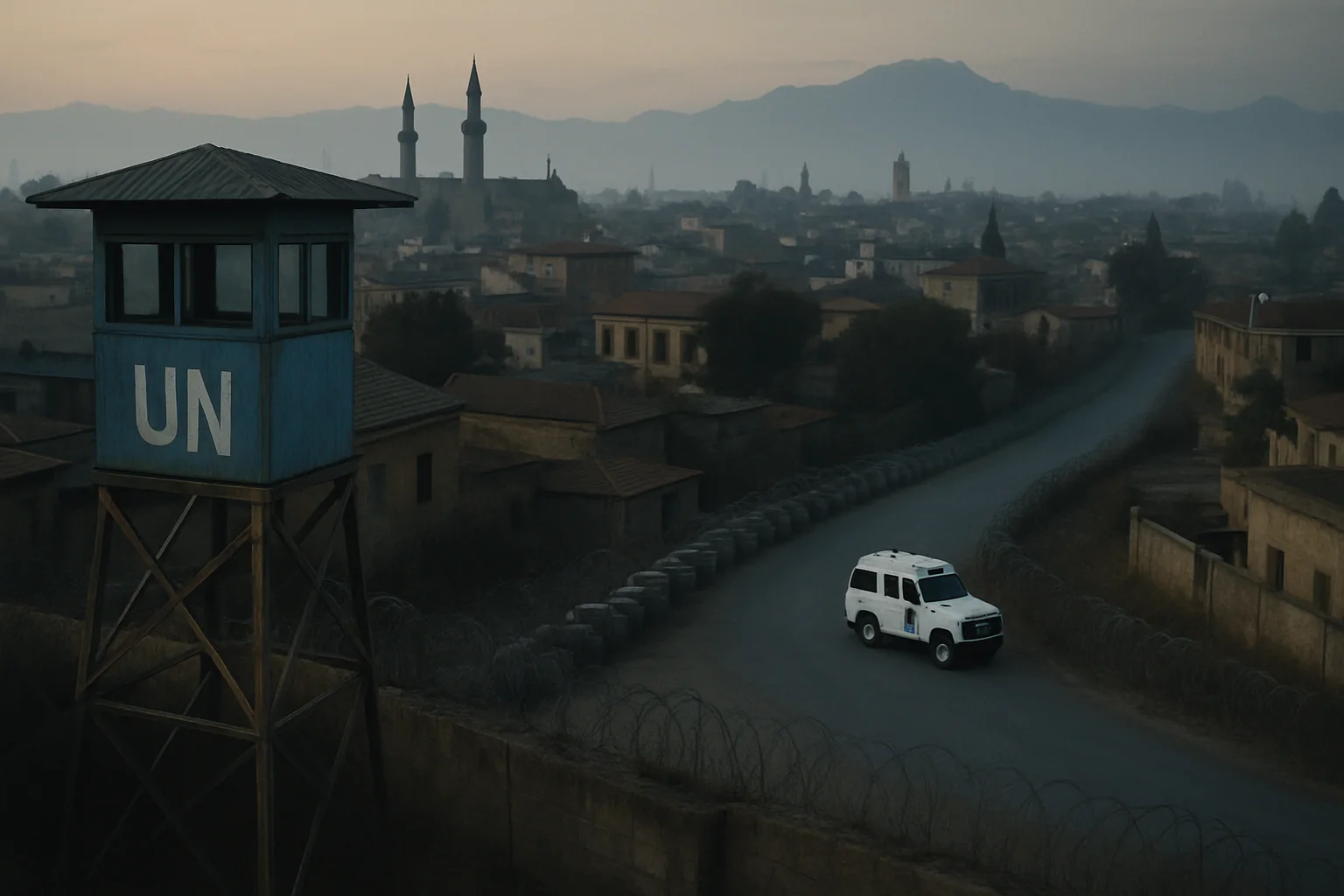
Why are there still Turkish, Greek, British and UN troops in Cyprus? This article traces their presence from the Ottoman conquest to the 1960 Treaties and UNFICYP.
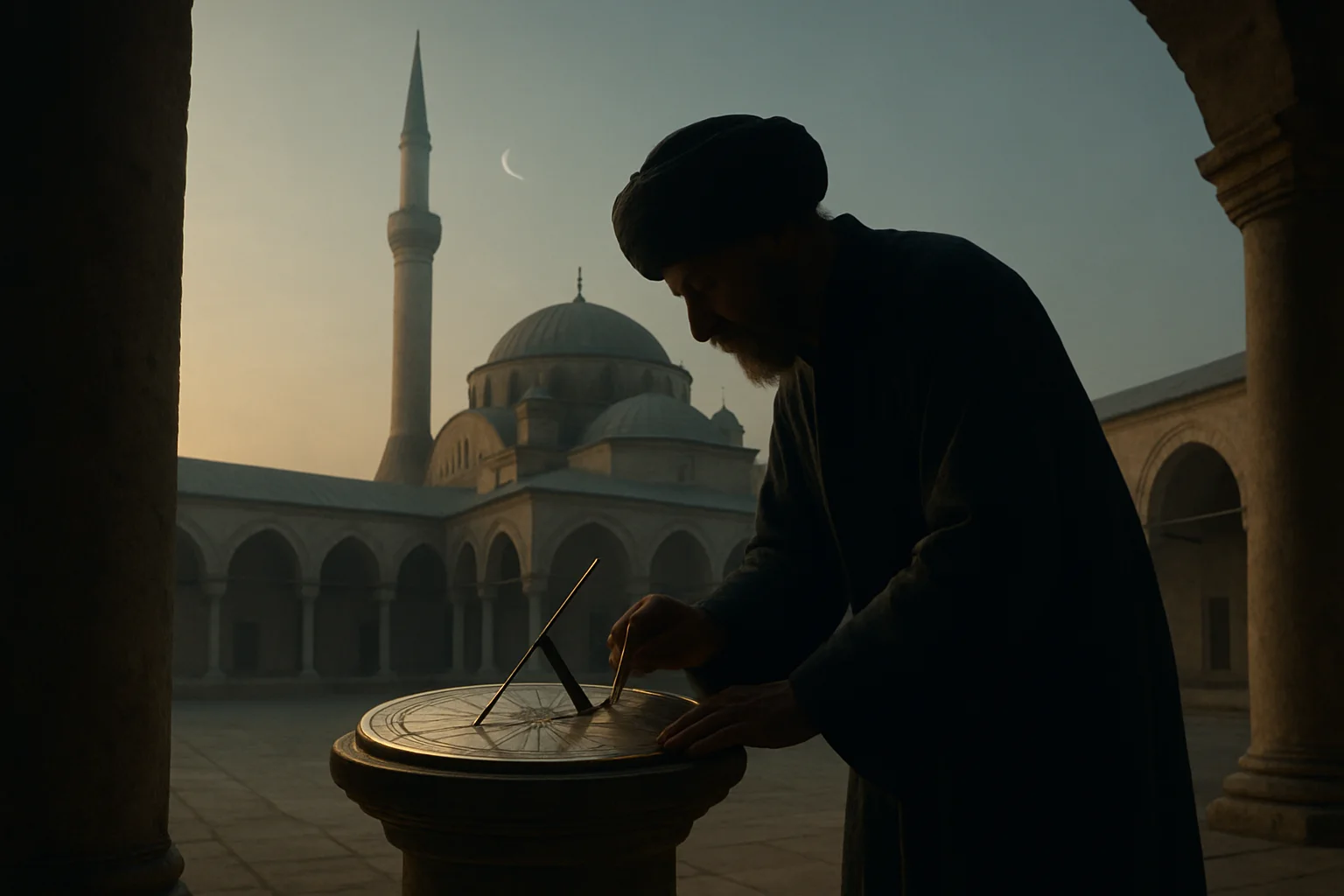
Prayer times once depended on shadows and horizon glows. Today they come from satellites and apps. This article traces that long history.
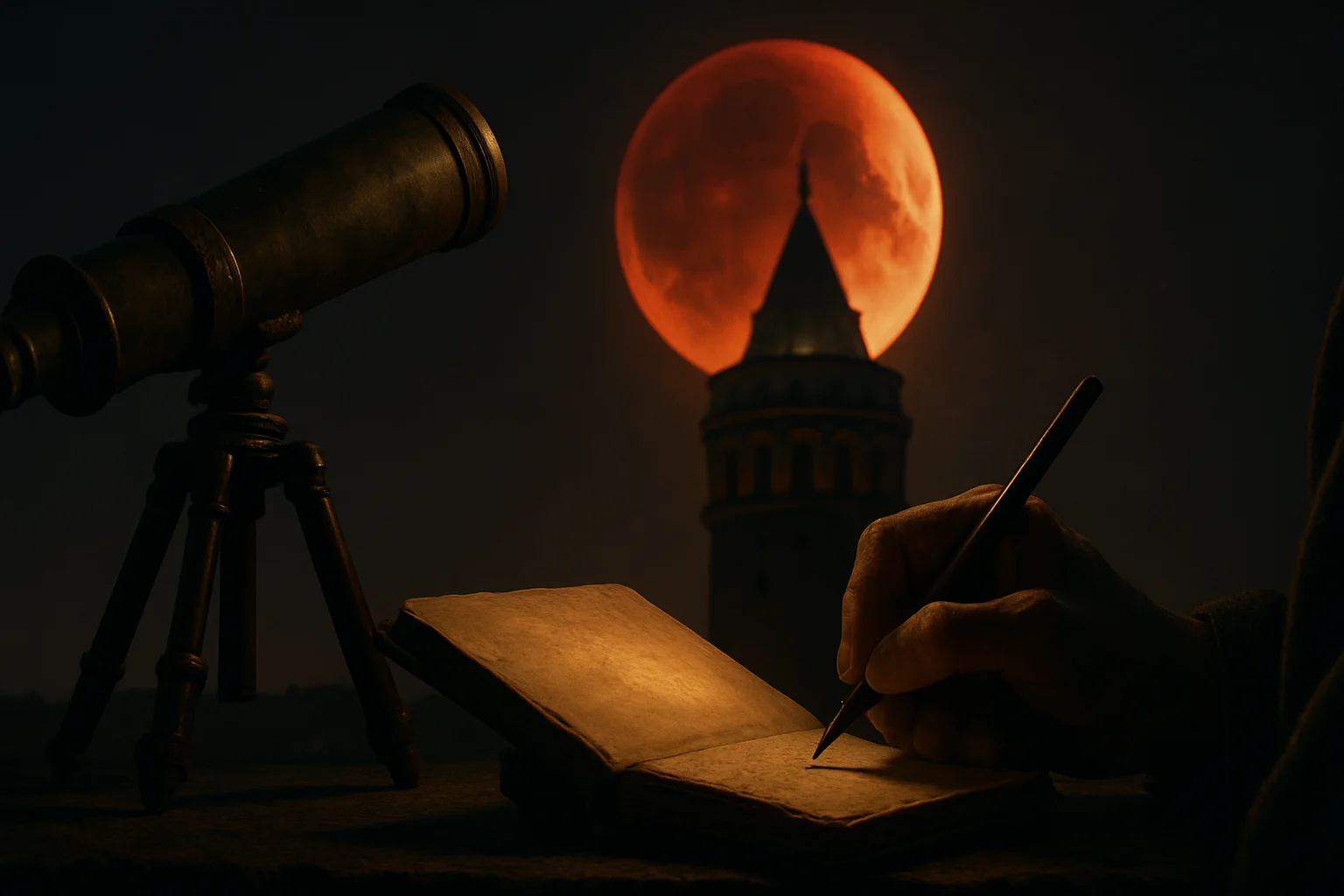
A historical look at the 27–28 August 2026 partial lunar eclipse: NASA visibility data, Ottoman-era eclipse records and Anatolian folklore examined together.
A direct map-based comparison of the Strait of Hormuz and Bab el-Mandeb, the trade routes they control and why disruption affects energy and shipping.
A direct comparison of Sunni and Shia history, shared foundations, authority, practices, Karbala and the modern geography of Muslim communities.
Mohenjo-daro was not erased by one proven catastrophe. The evidence points to gradual environmental, economic and settlement change.
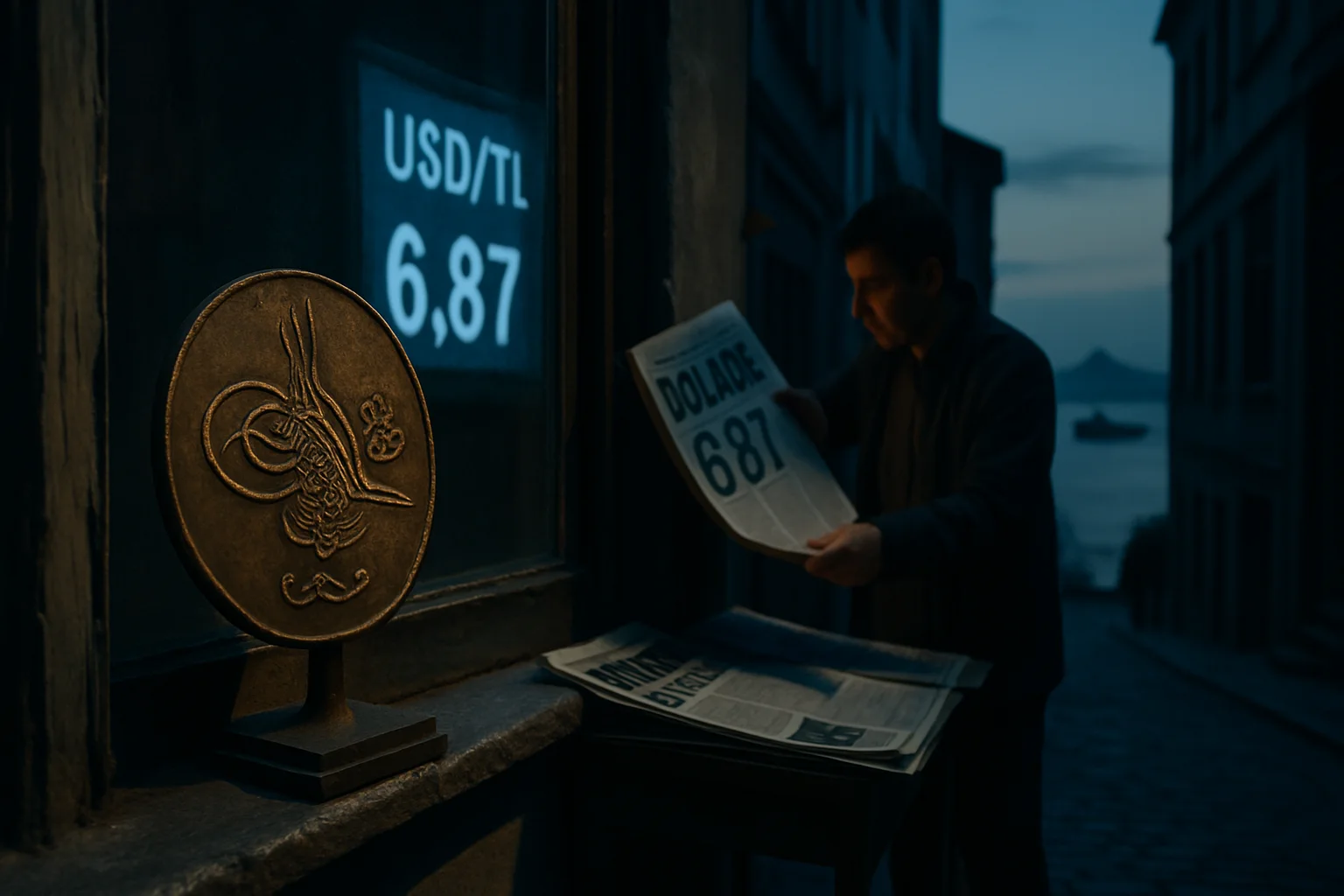
An evidence-based analysis linking August 2026 exchange-rate attention to Ottoman monetary reforms, the founding and evolution of Turkey's central bank, and the 2001 financial crisis.

Using Madonna’s record 2026 VMA nominations as a hook, this piece traces music videos from MTV’s 1981 launch through Queen and Kral TV to today’s YouTube era.
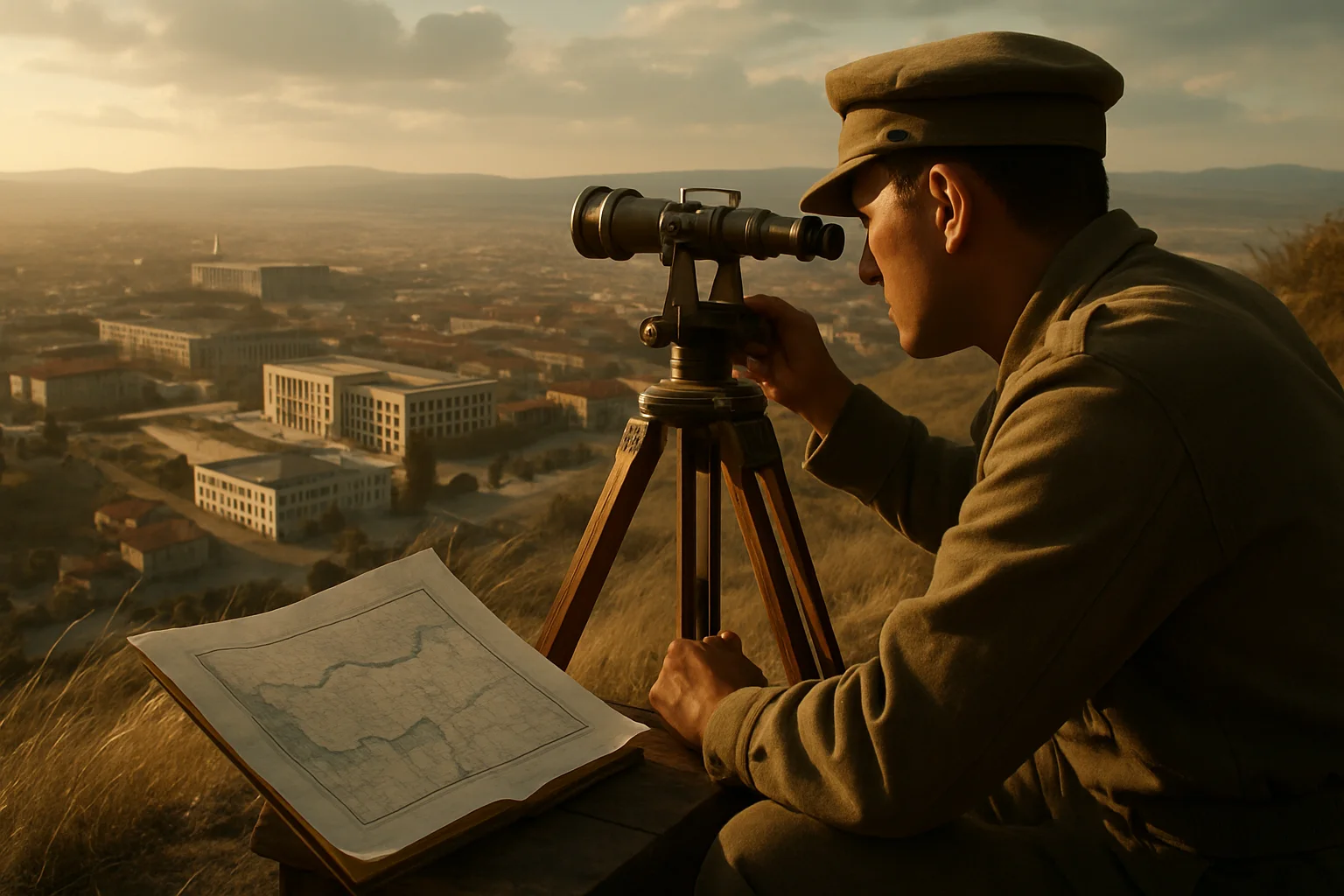
From Piri Reis’s 1513 world map and the Cedid Atlas to Ottoman school wall maps and modern GIS, this article traces how the map of Turkey was made.
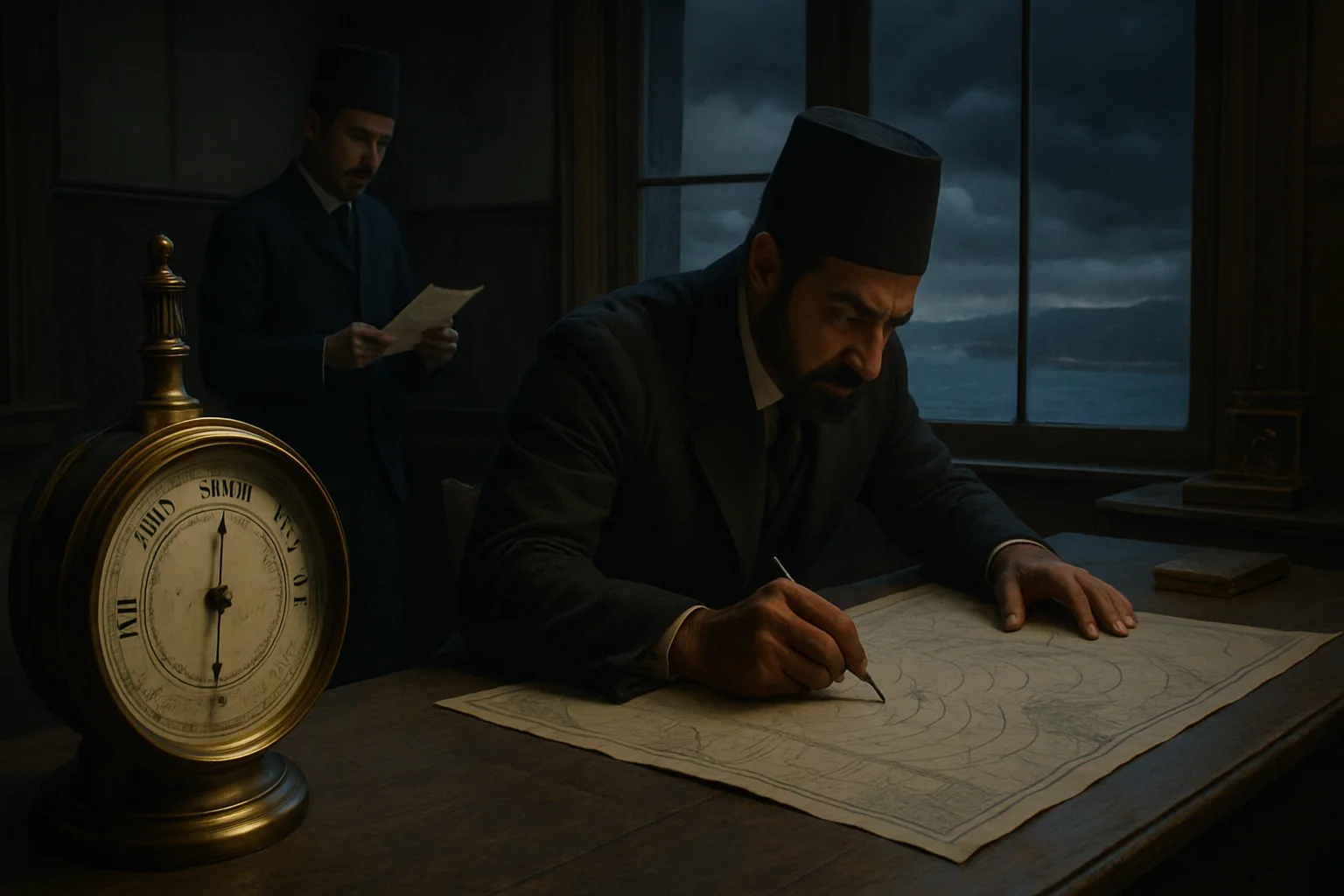
Colour-coded warnings and phone apps crown a long story of weather forecasting, from Ottoman Rasathane-i Âmire to the Turkish State Meteorological Service and satellites.
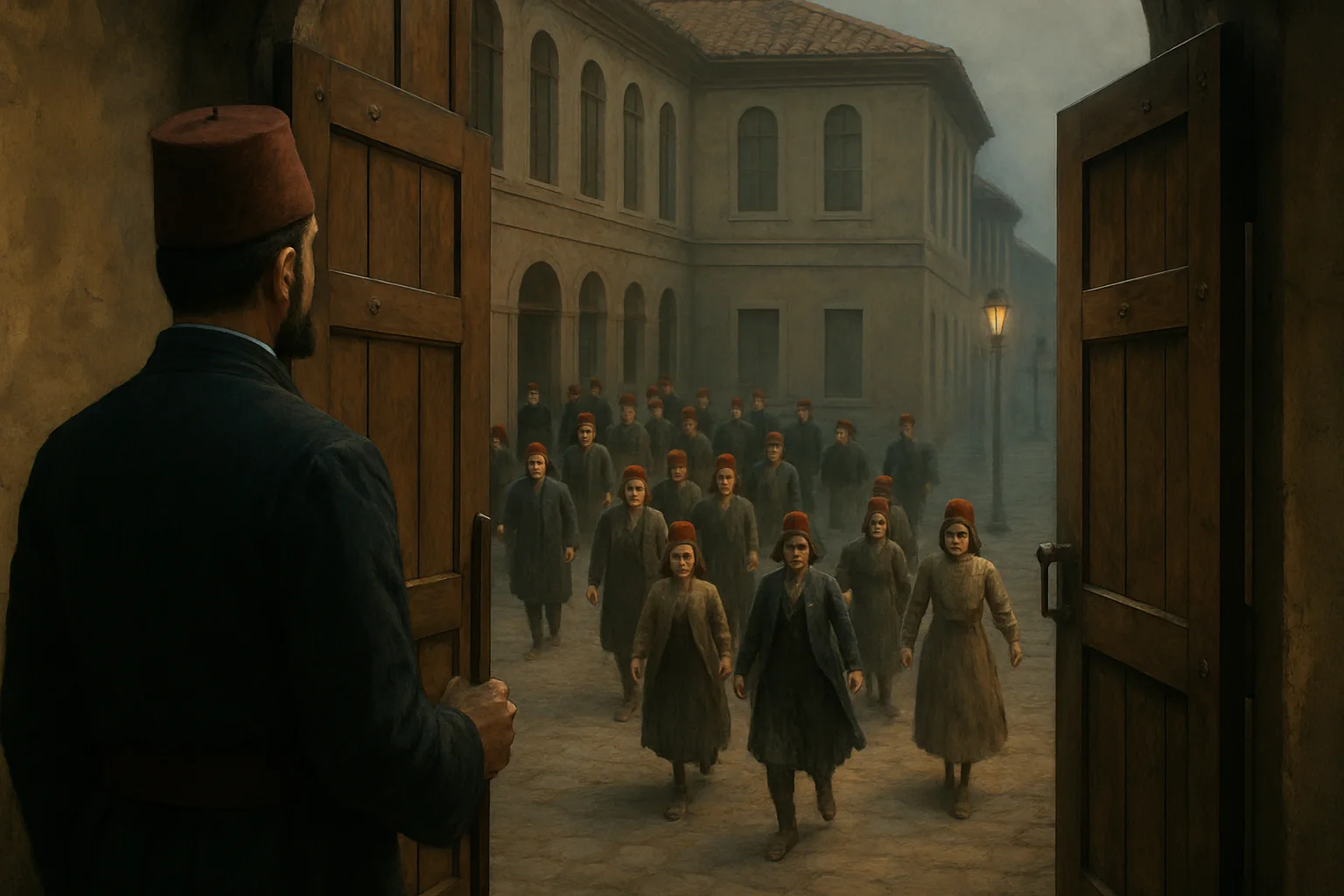
Hiring security guards for Turkish schools has a long history. From Ottoman bevvâbs to Law 5188 and CCTV, we trace how school security has evolved.

From 1950s truck assembly and the Devrim experiment to Anadol, Bursa’s export plants and hybrid C-HR, this article traces Turkey’s rise as an automotive hub.
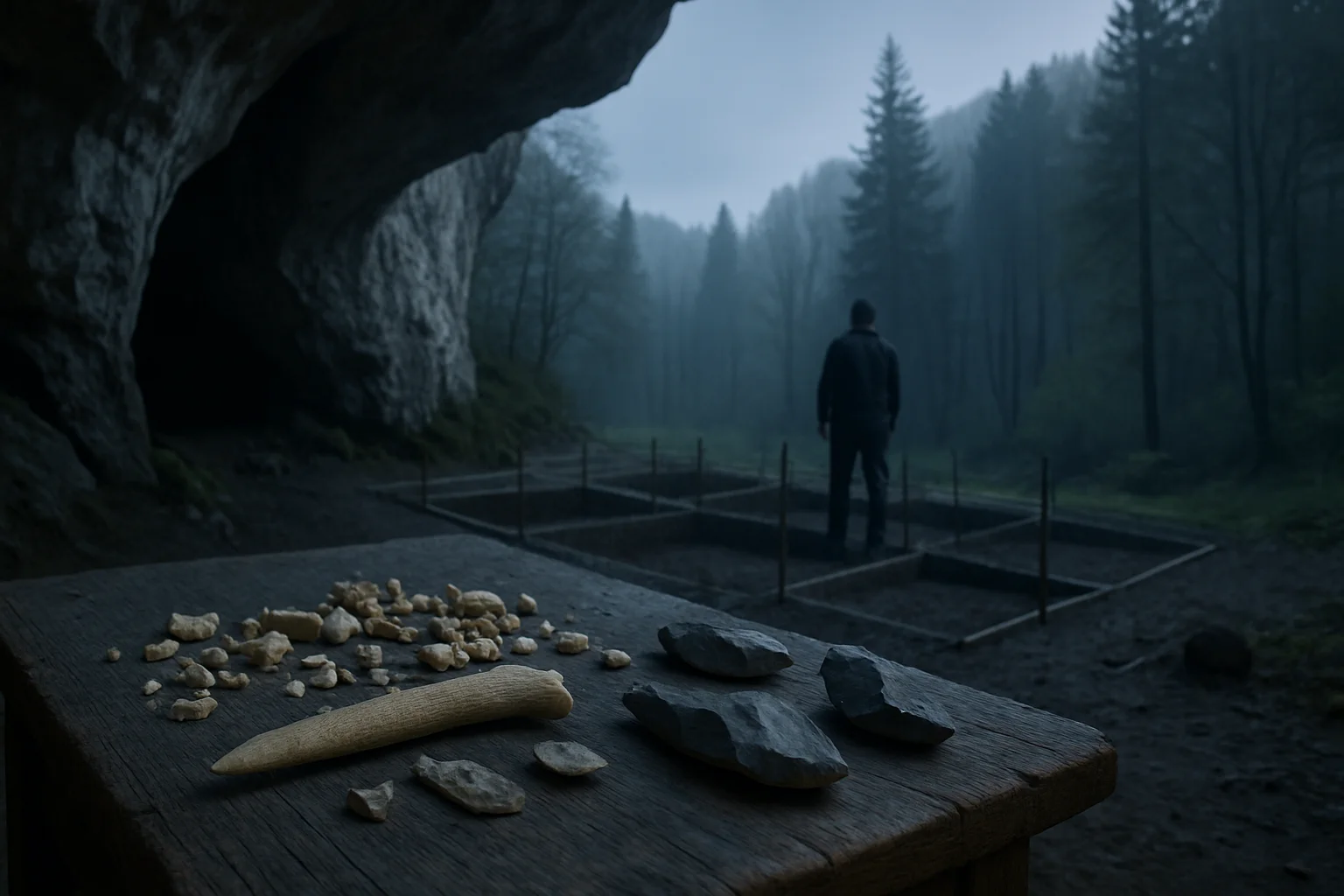
A reanalysis of more than 10,000 animal bones from Abri 122/1200 has identified 83 pieces modified through use, providing the first clear evidence of Neanderthal bone-tool technology in Romania.

Tens of thousands of cuneiform tablets from Hattusa reveal how the Hittites recorded diplomacy, law, religion and the everyday work of governing an empire.
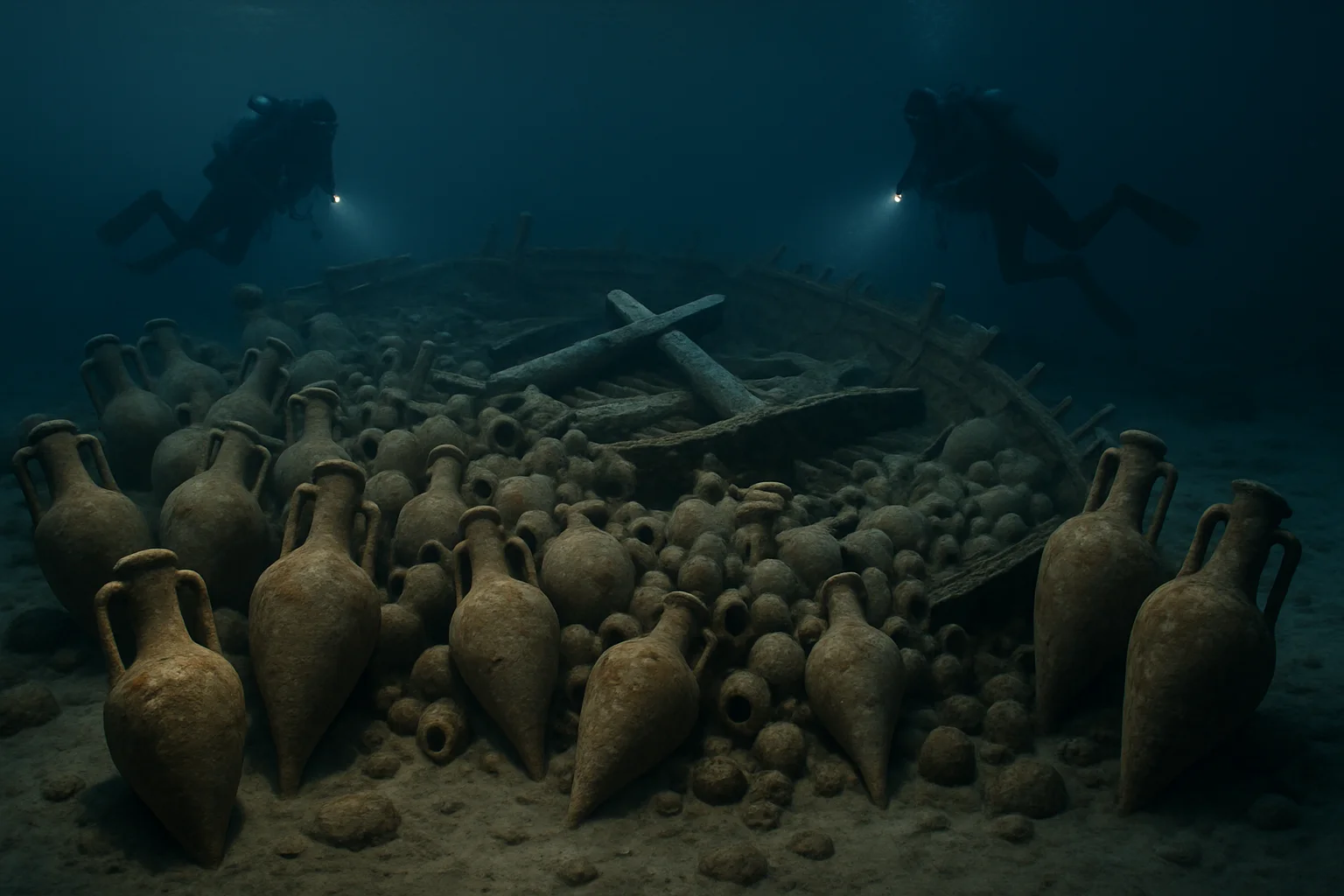
A Republican-era Roman wreck off Mazara del Vallo carries hundreds of amphorae whose mixed origins may illuminate Mediterranean trade between Italy, the Adriatic and North Africa.
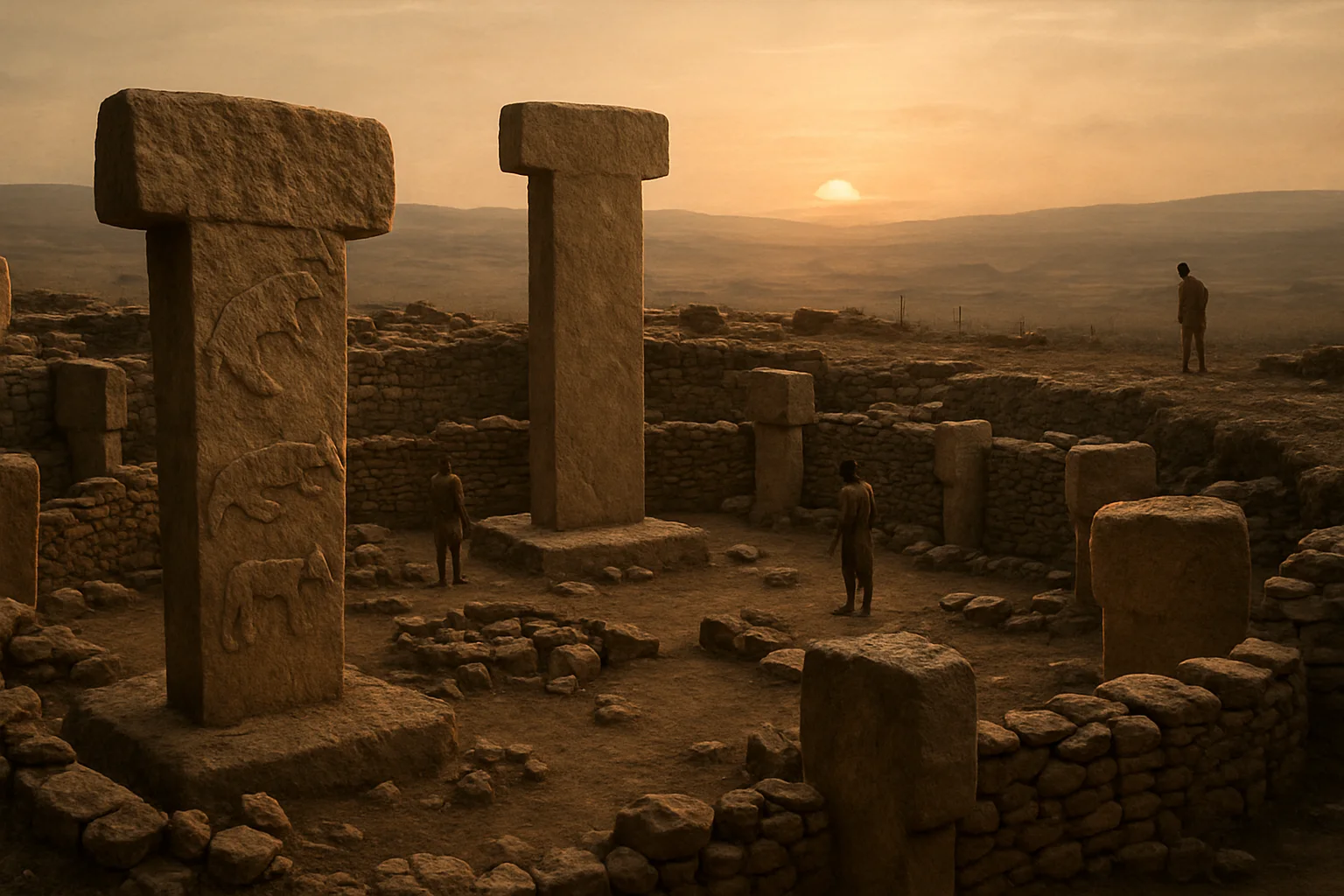
Explore Göbekli Tepe’s age, T-shaped pillars, hunter-gatherer builders and the debate over calling it the world’s first temple.
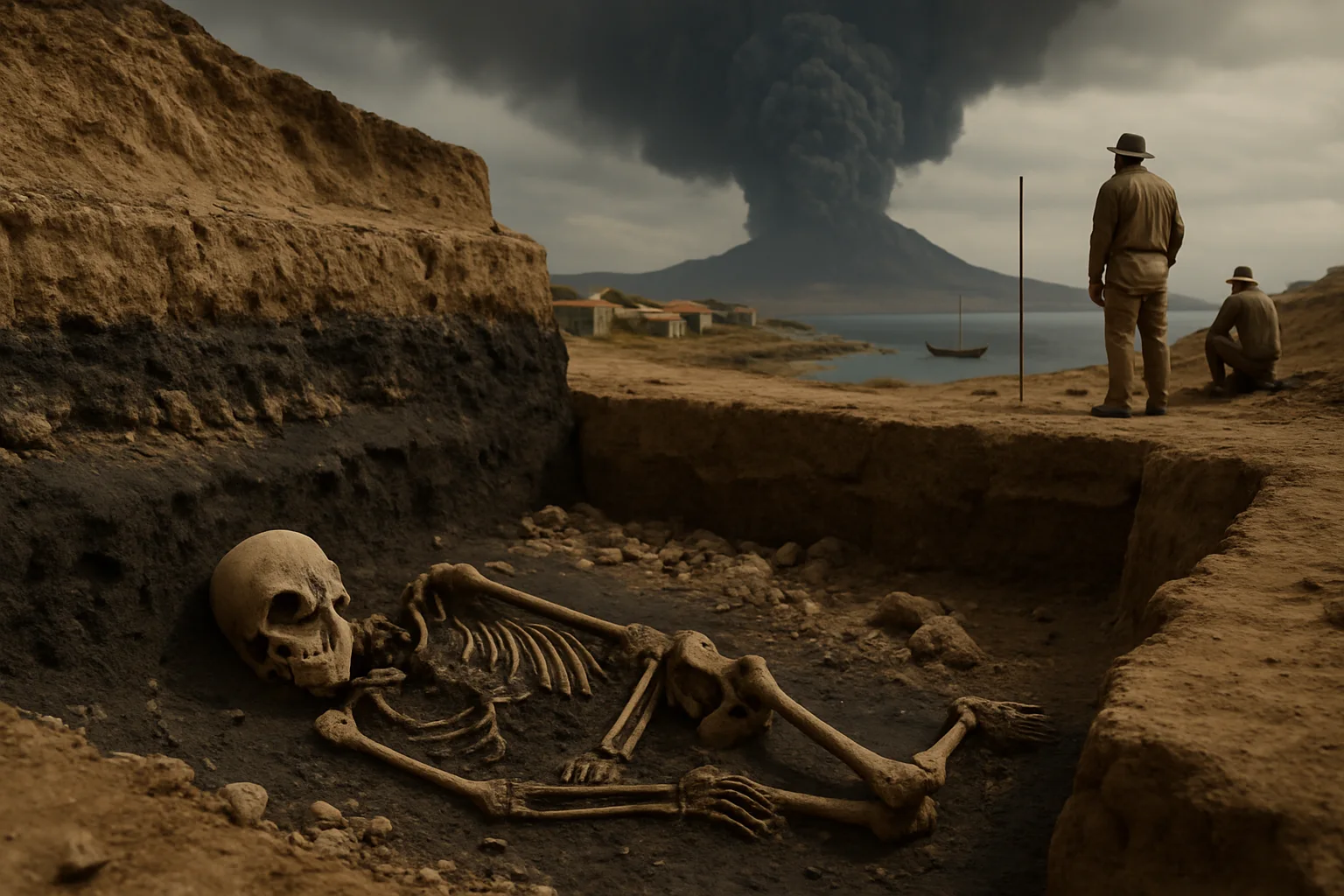
New radiocarbon results from a young person found in tsunami debris at Çeşme-Bağlararası have reopened the long-running debate over the date of the Bronze Age Thera eruption.
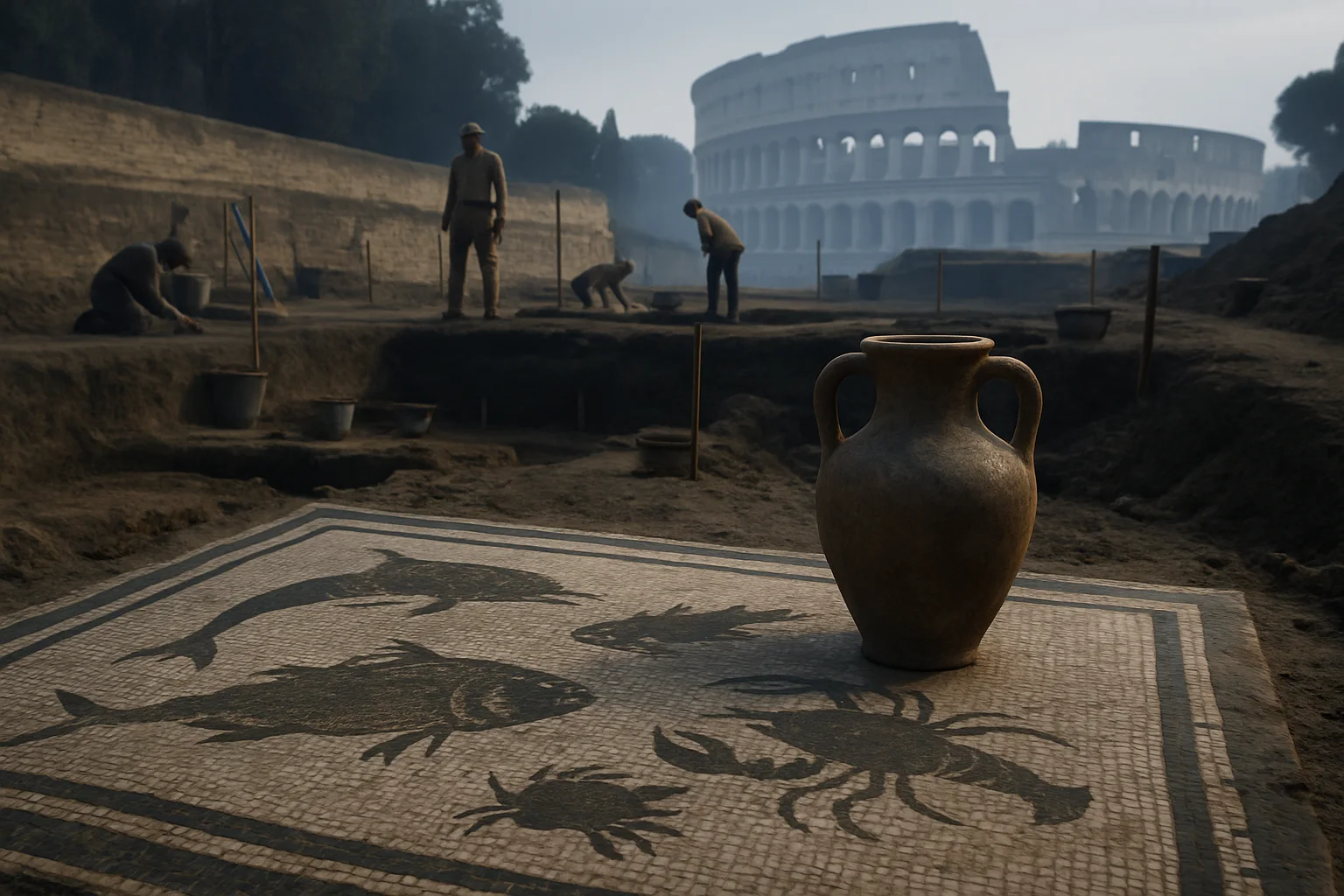
A decorated second-century building in Villa Celimontana may expand the known complex of Rome’s Fifth Cohort of the Vigiles, although an elite domus remains possible.
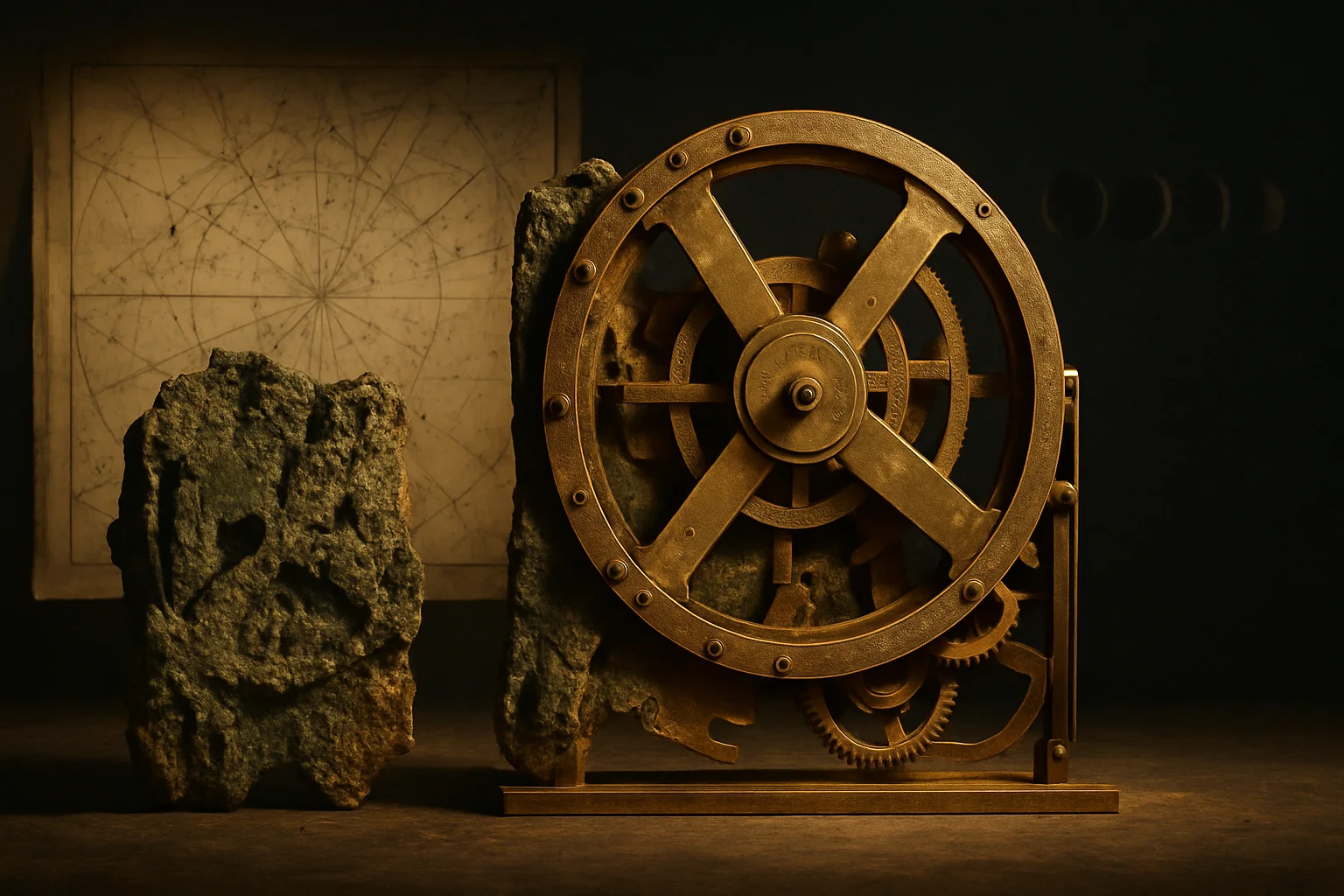
A detailed guide to the Antikythera Mechanism, its discovery, bronze gears, astronomical displays and status as the world’s oldest known analogue computer.
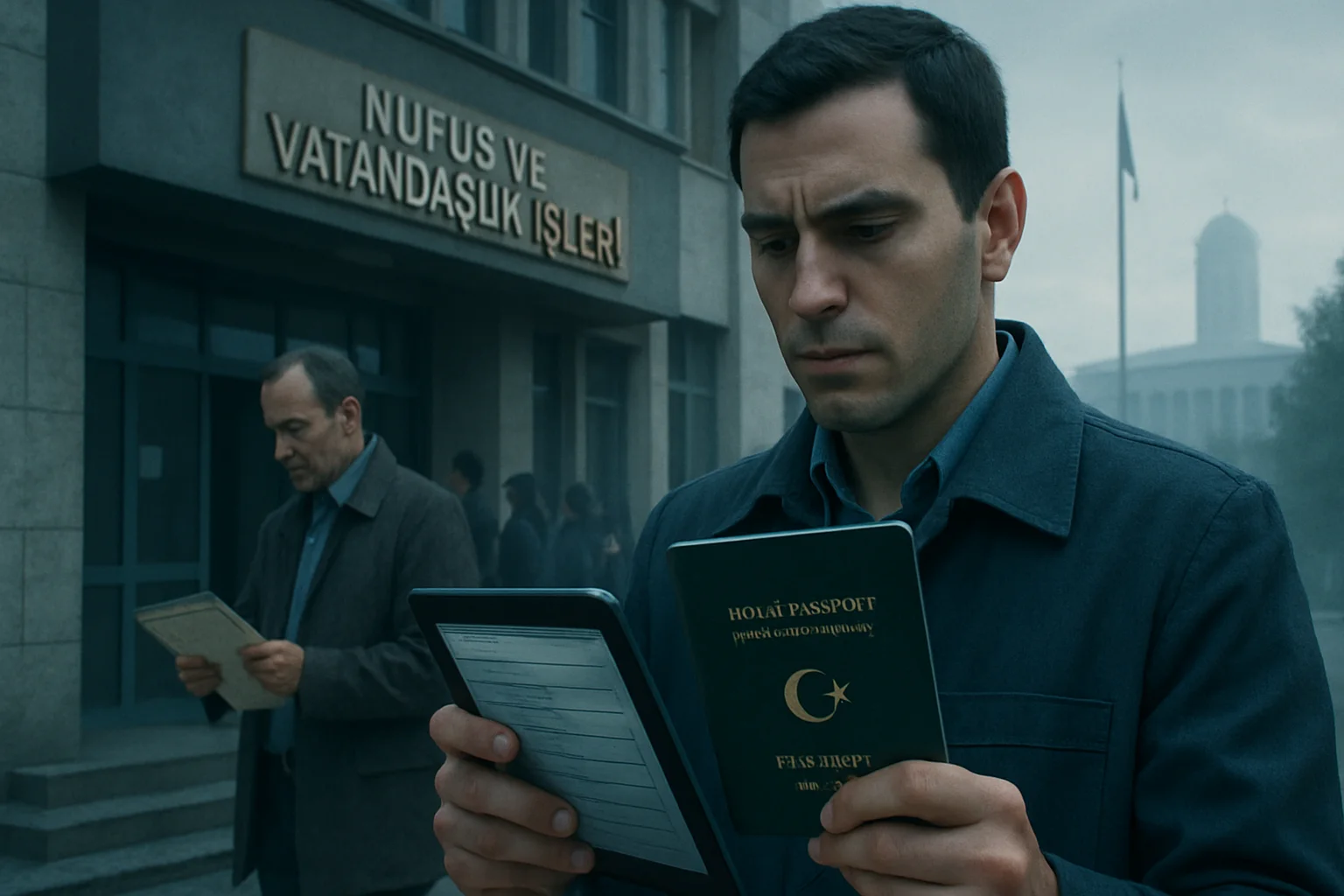
We analyse Turkey’s 2026 administrative and digital steps on green (hususi) and grey (service) passports, placing them in a historical line from Ottoman travel documents to today.
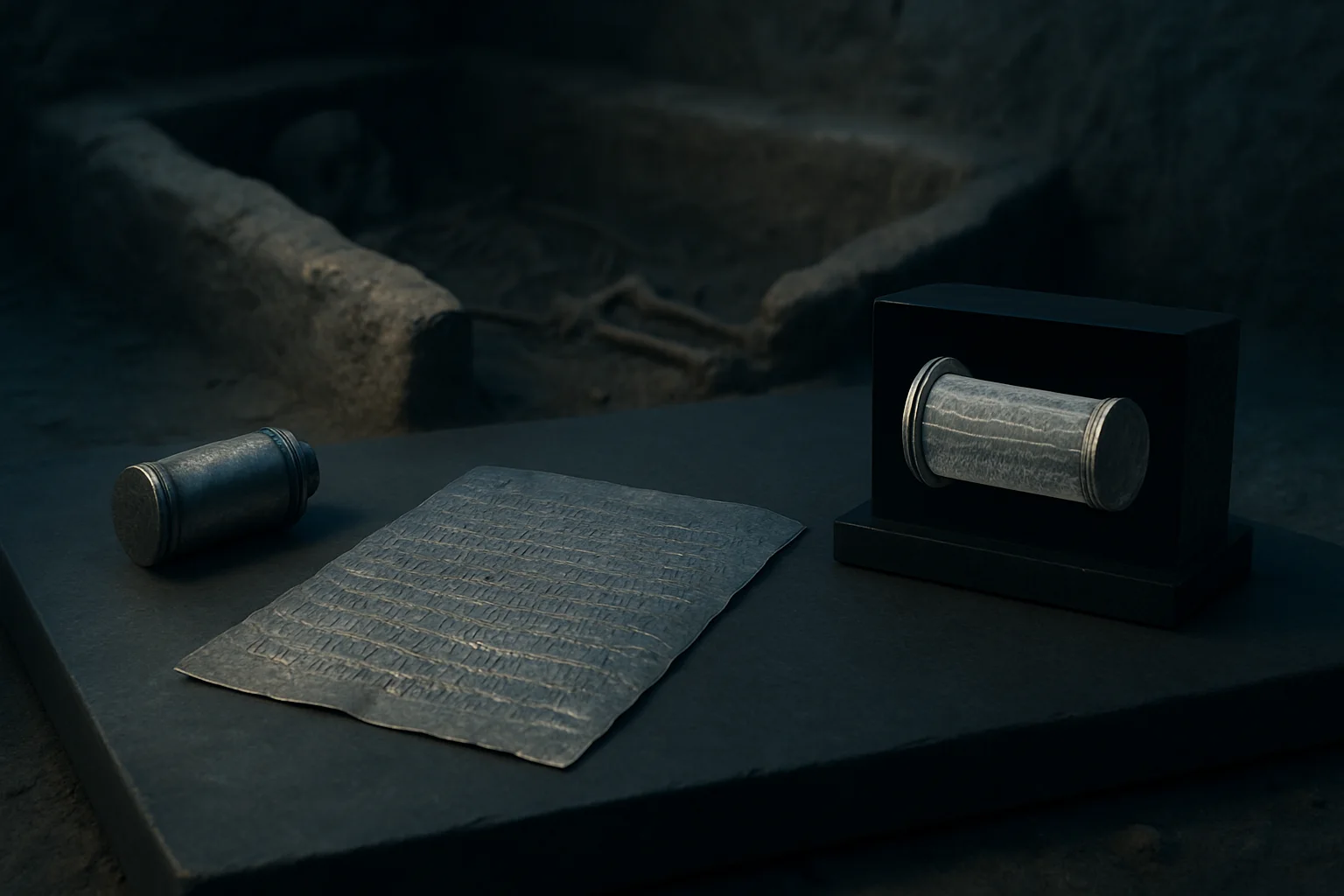
A 3.5-centimetre silver amulet from a Roman grave at Nida preserves an 18-line Latin text that may push material evidence for Christianity north of the Alps back by decades.
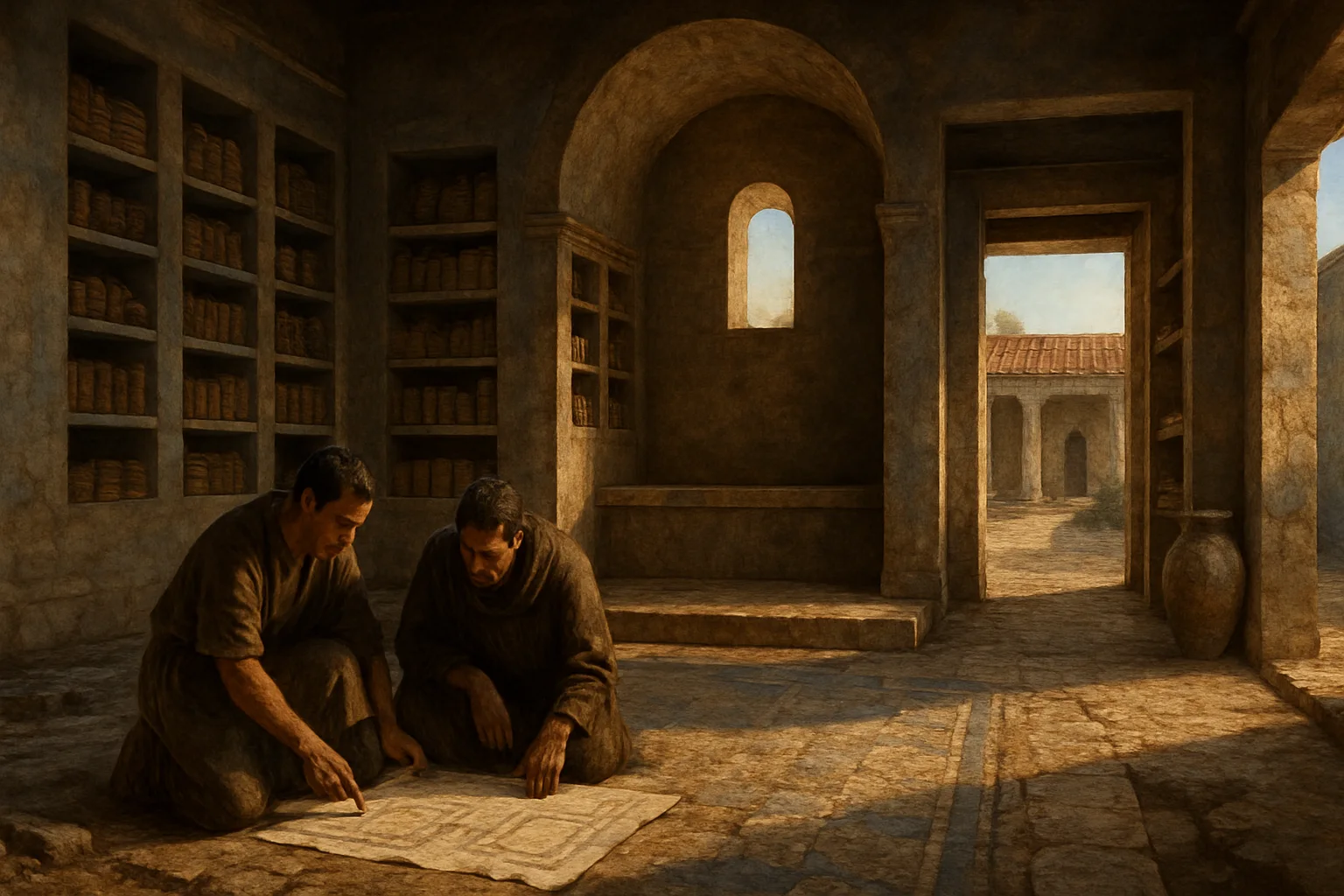
A hall at the Fuente Álamo villa near Córdoba, once proposed as a Mithraic shrine, has been identified as a private Roman library through architectural analysis.
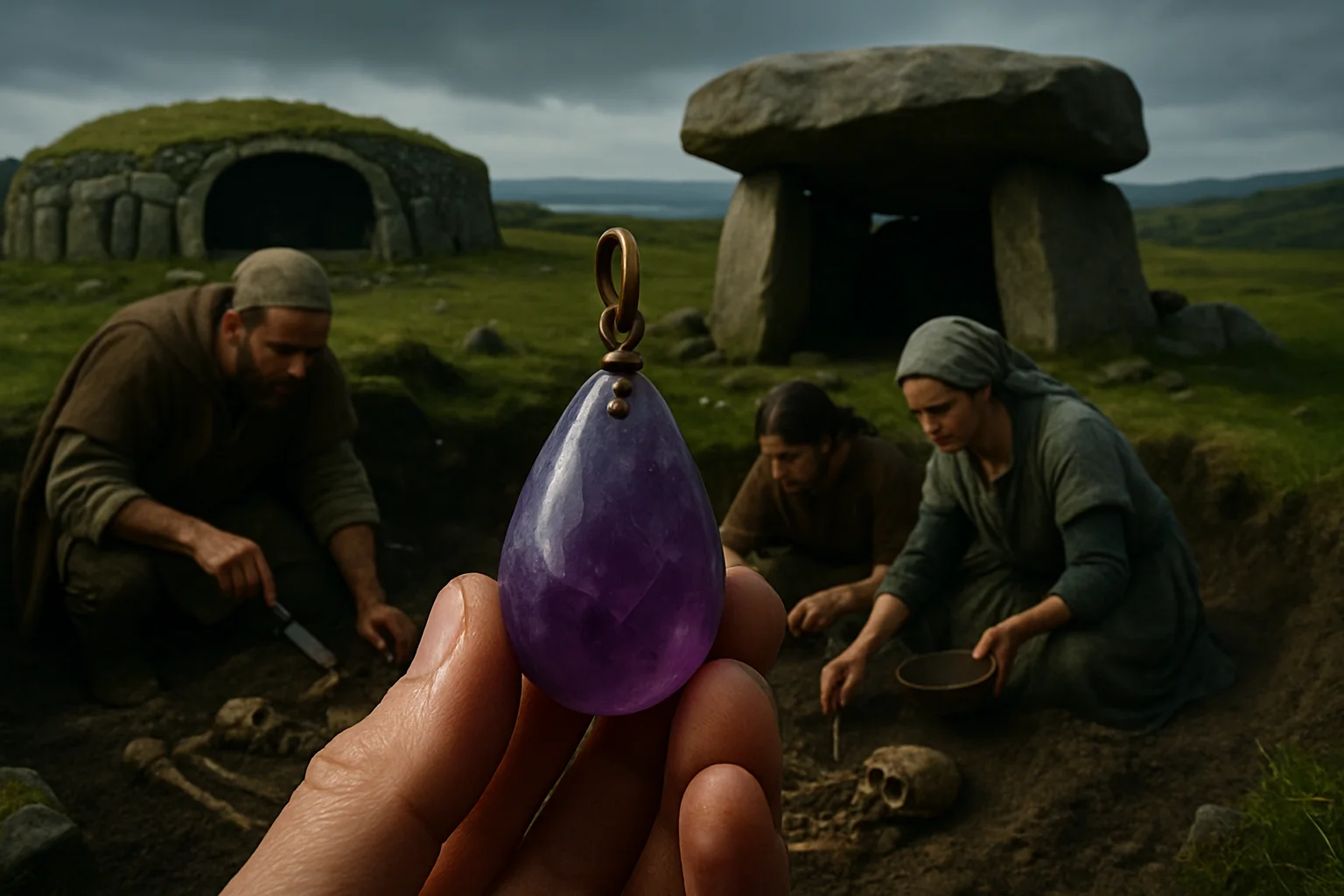
A court tomb and a portal tomb at Maree offer an exceptional view of burial, ritual and community among Ireland’s earliest farming populations.
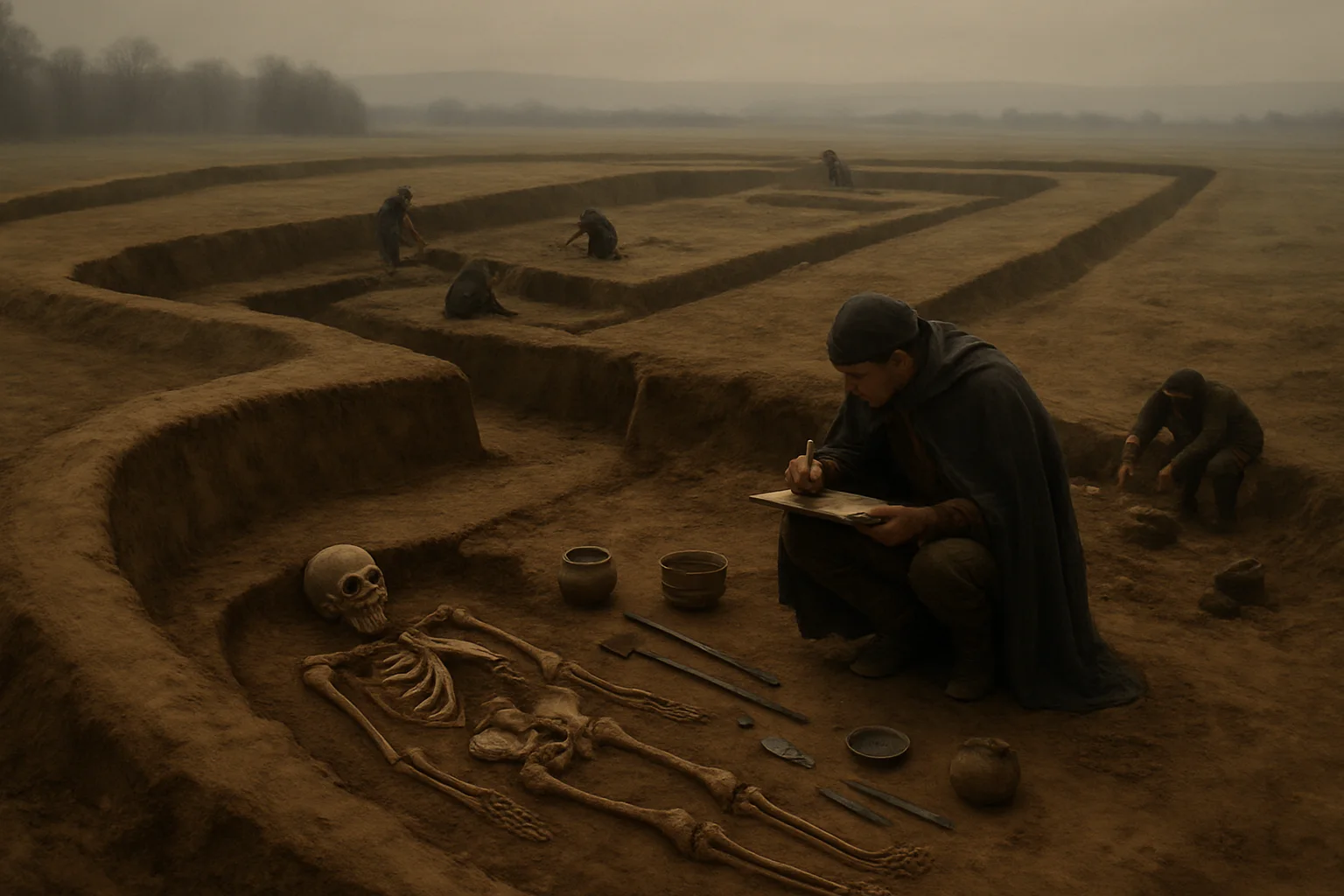
A 7.4-hectare Roman marching camp in Slovakia may preserve evidence of a sudden military disaster during the Marcomannic Wars.
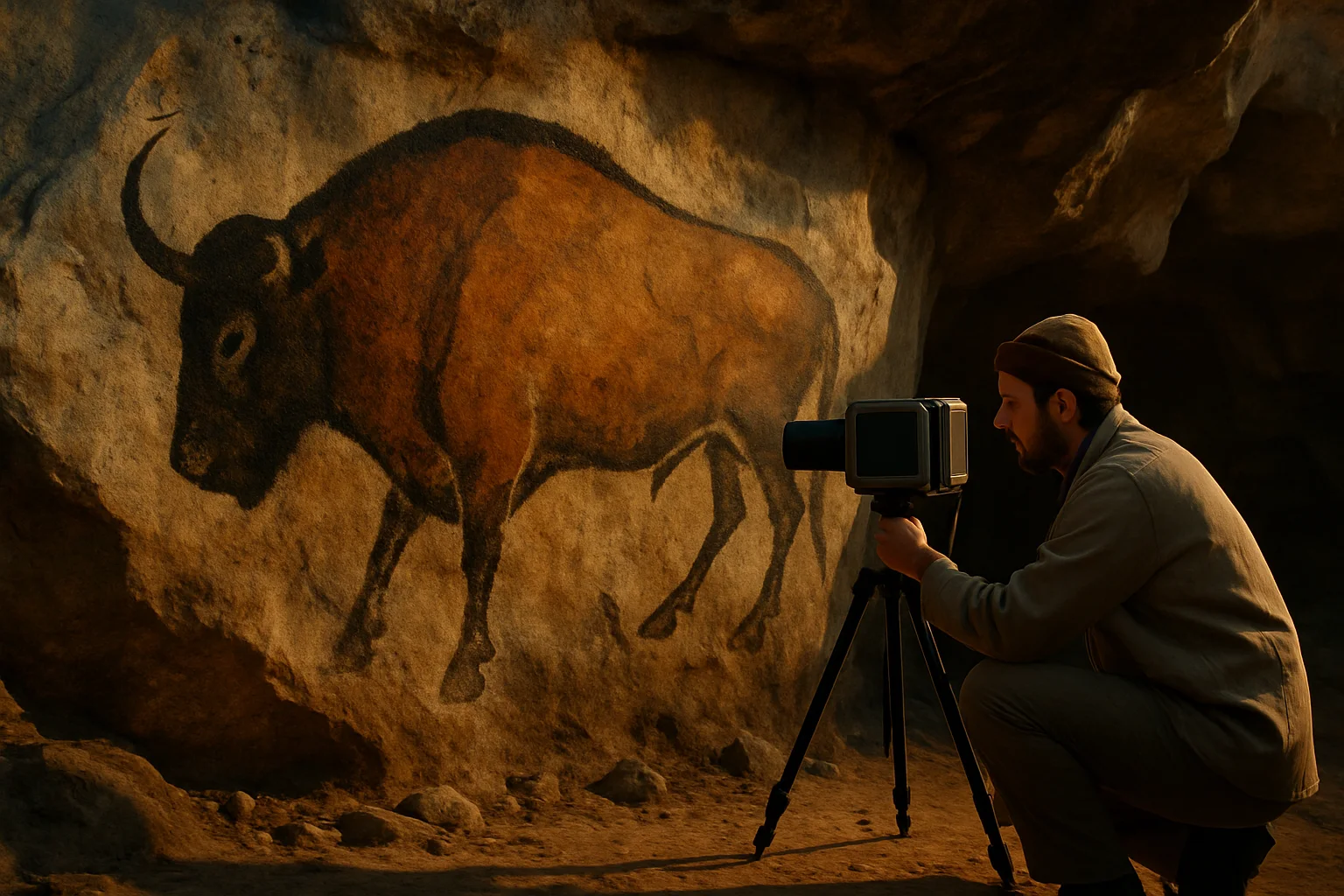
Hidden charcoal in Font-de-Gaume pigments dates a bison to about 13,000 years ago and reveals that the cave’s mask figure was altered across millennia.
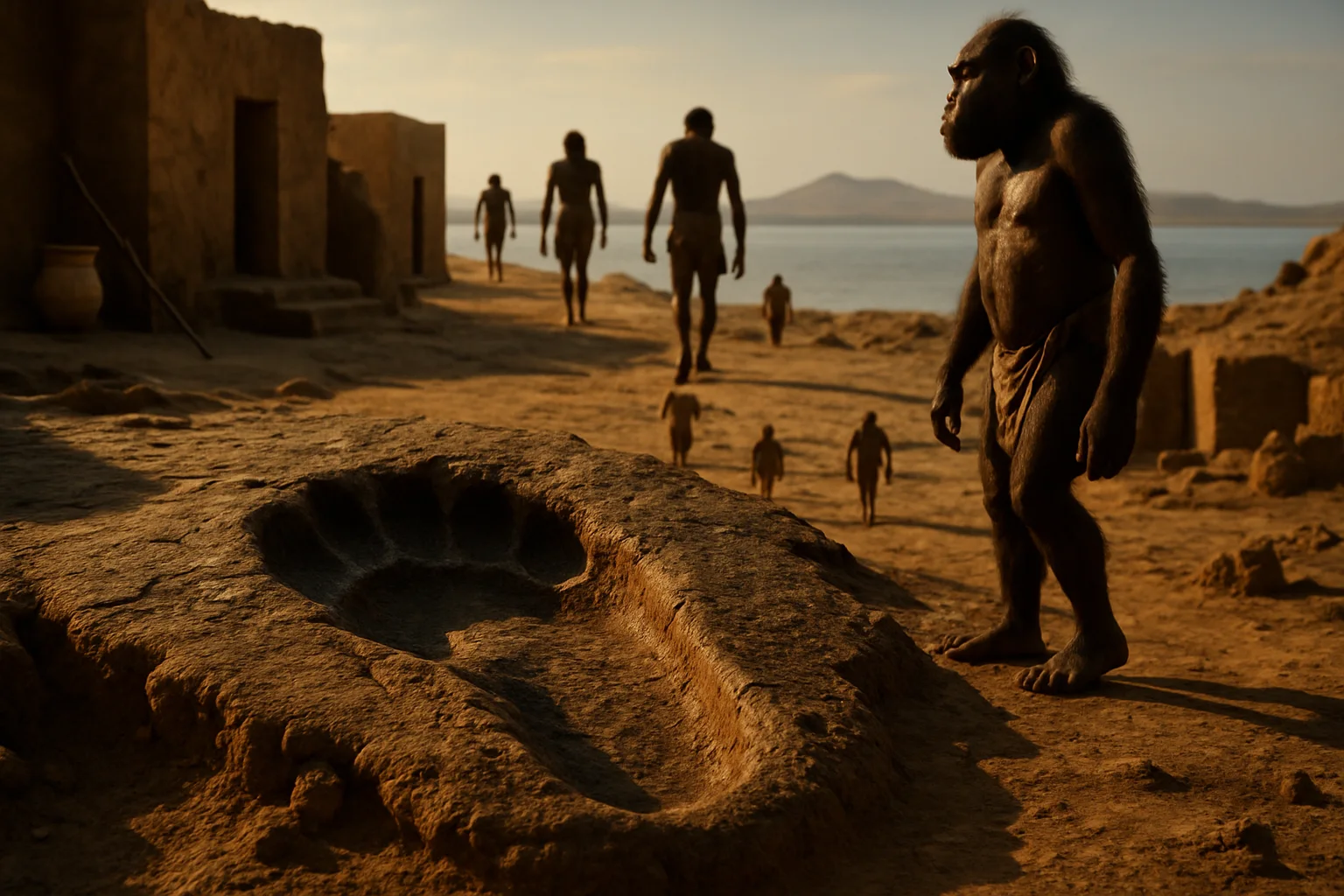
Fossil footprints from northern Kenya record eight adult Paranthropus boisei individuals moving along the same lakeshore and suggest the species could grow much larger than expected.
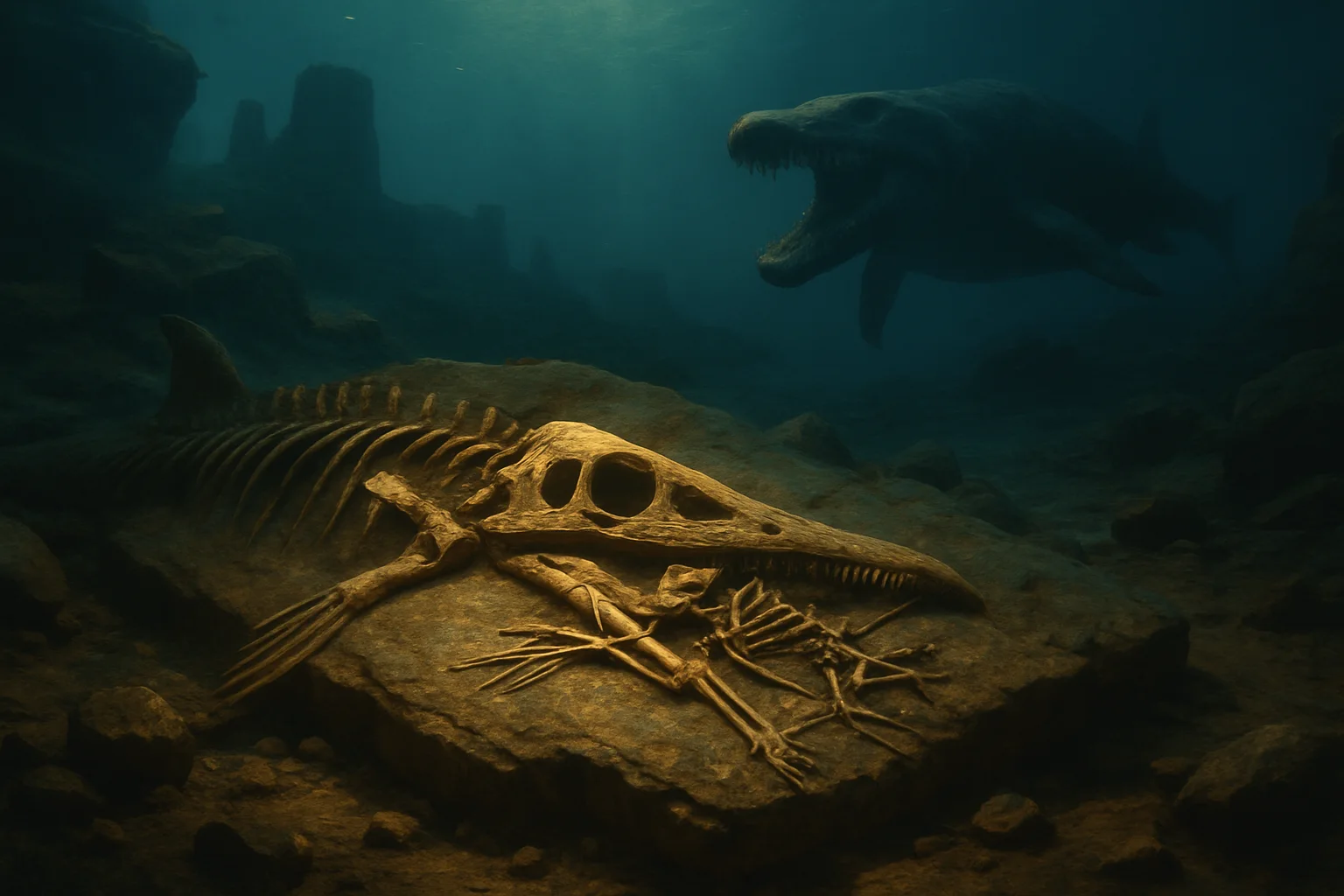
A Queensland fossil preserves a pterosaur-eating ichthyosaur that may later have been torn apart by the giant marine predator Kronosaurus.
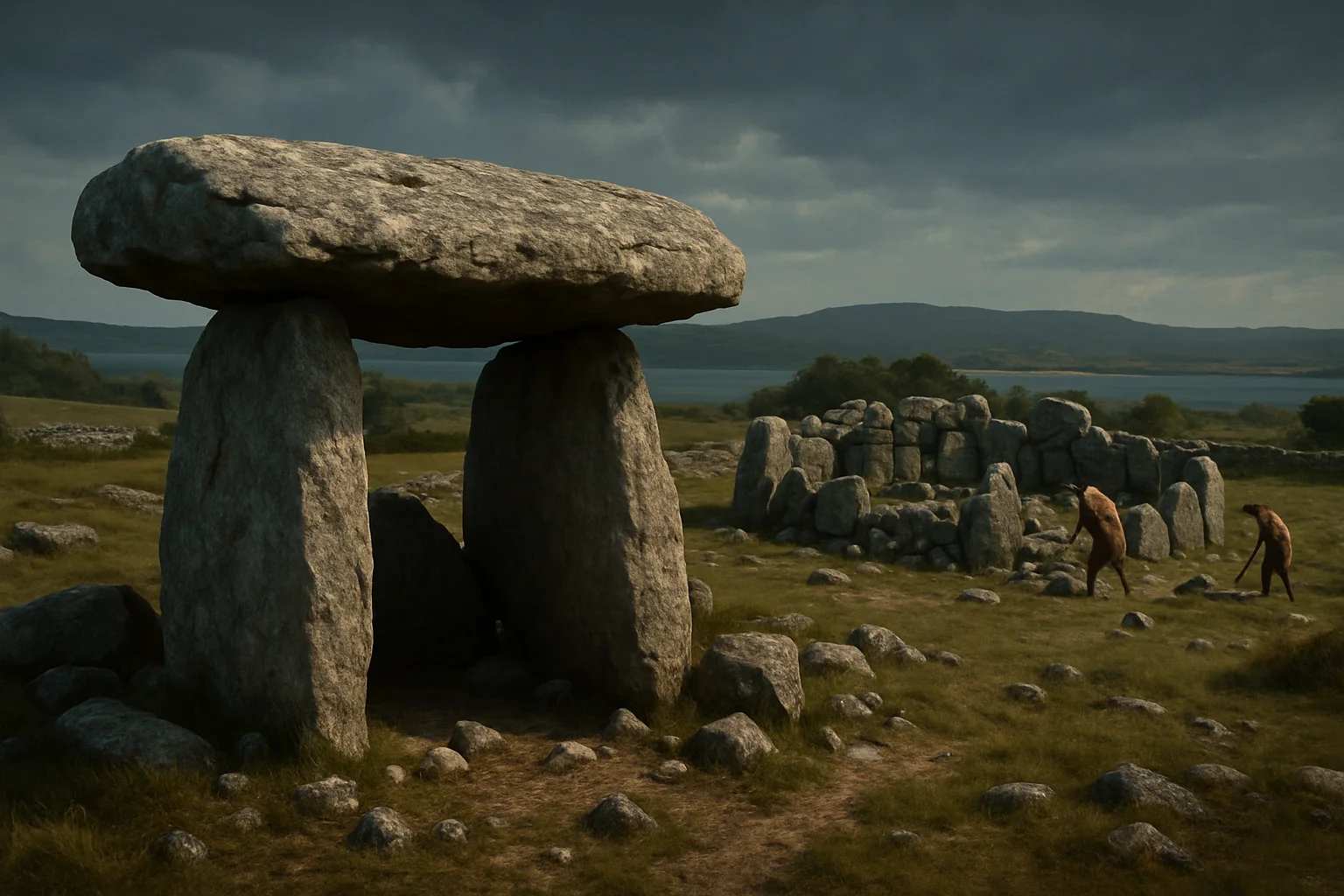
Excavations at Maree relocated a large court tomb and identified an unknown portal tomb with a 14-tonne capstone created by Ireland’s earliest farmers.
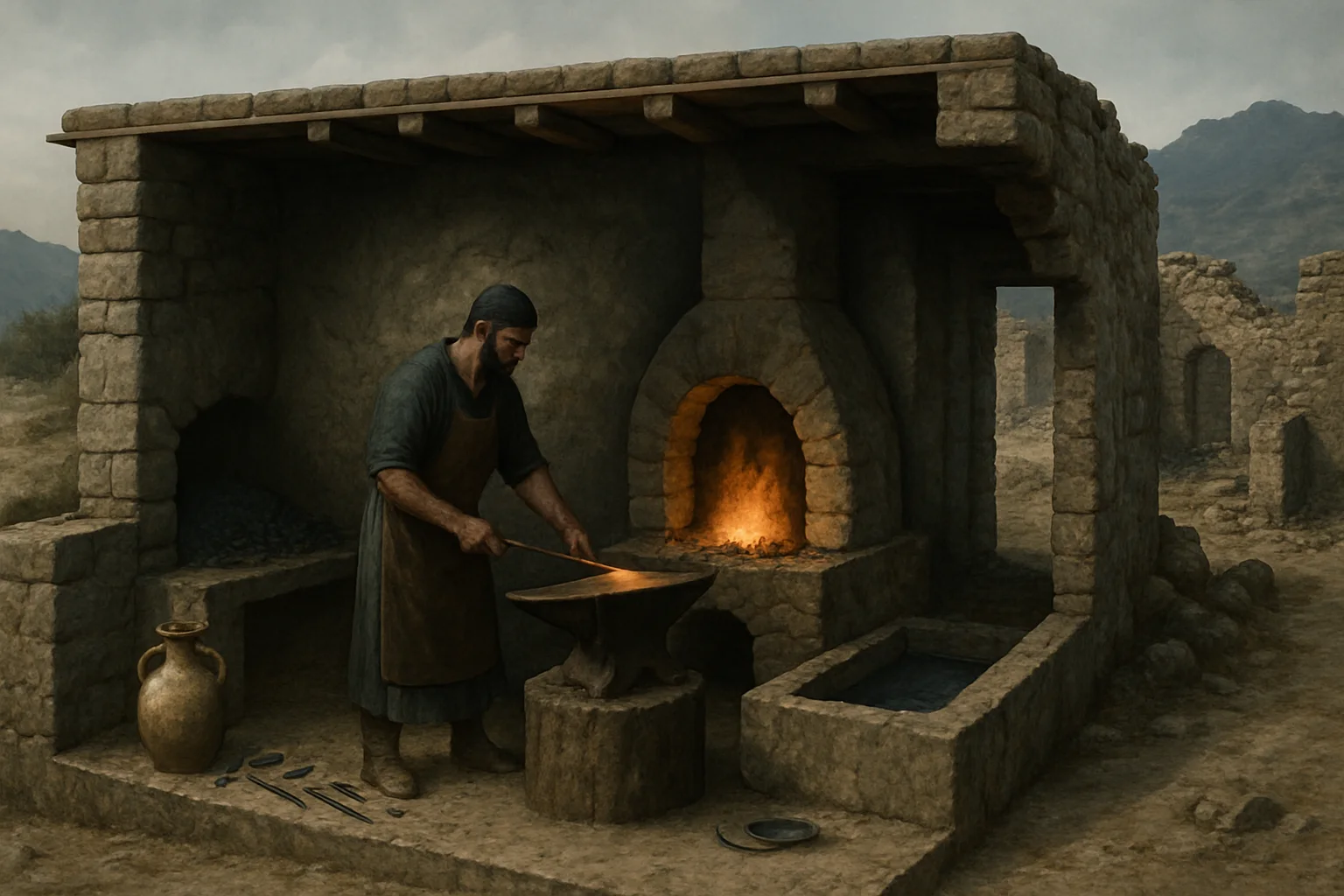
A fifth-century workshop uncovered at Seleukeia Sidera in Isparta preserves an iron furnace, anvil, charcoal store, quenching pool and semi-finished objects, revealing an unusually complete Eastern Roman production system.
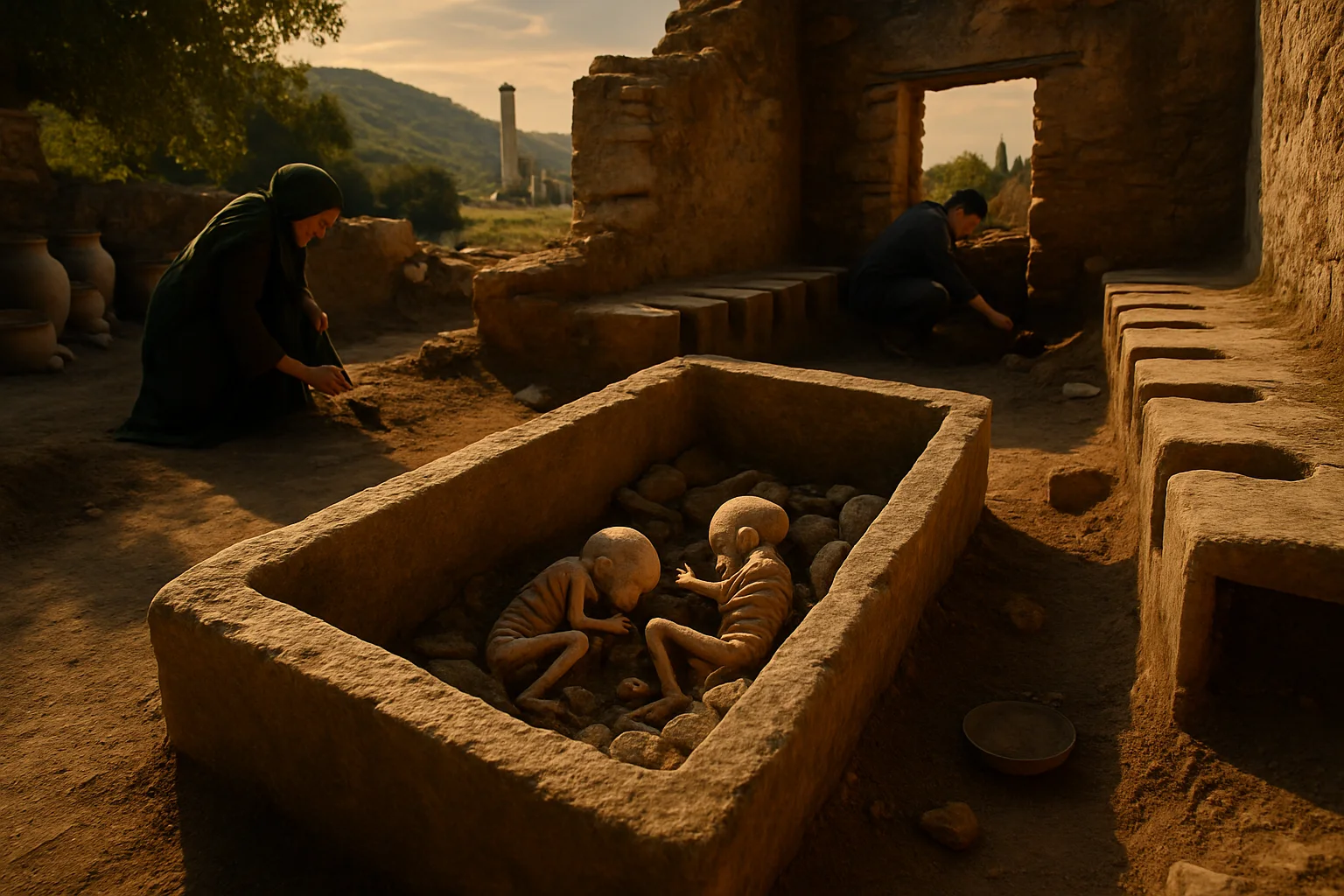
A carefully built grave containing two premature infants in an abandoned Roman latrine at Ephesus reveals grief, protection and the changing status of children in Middle Byzantine society.
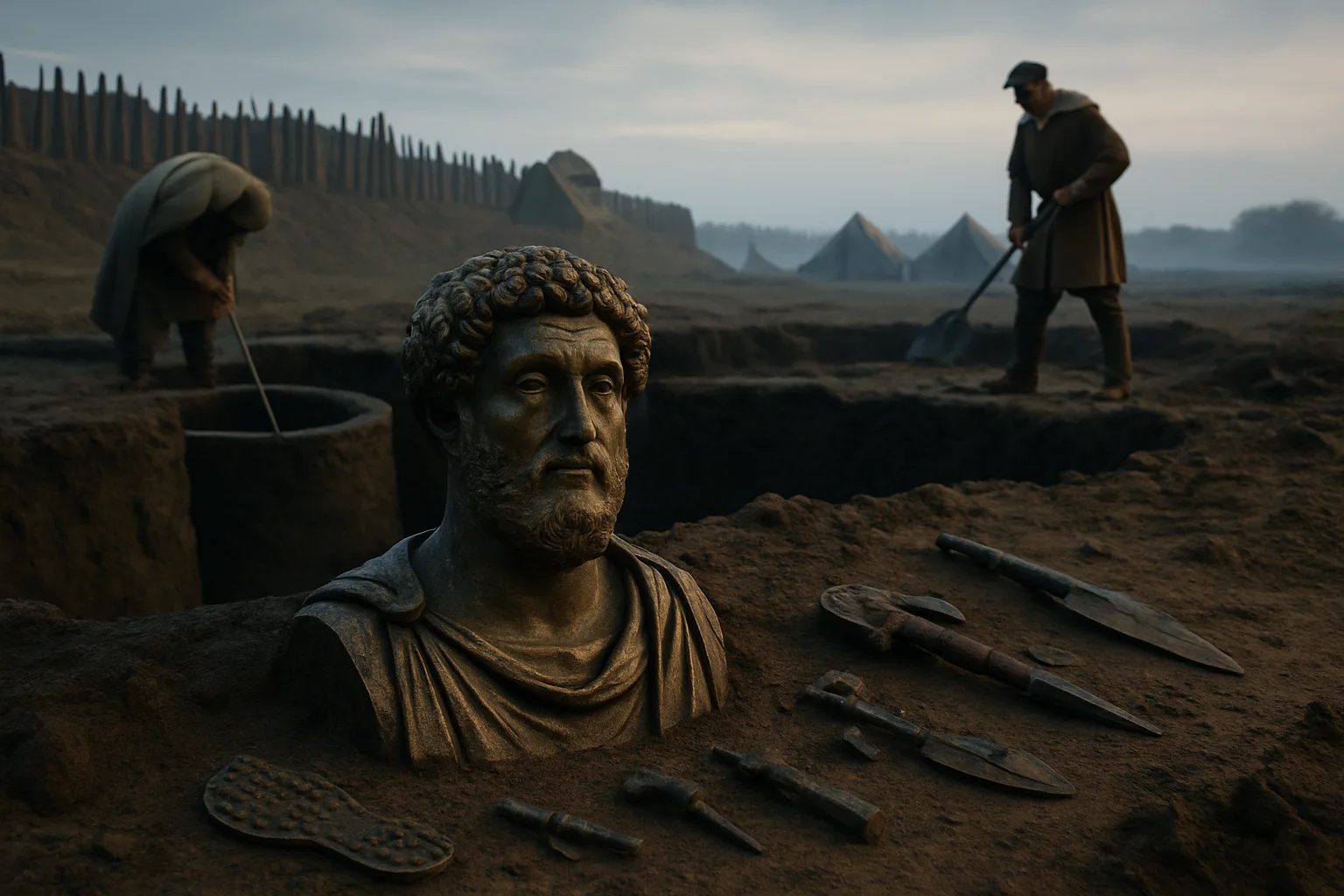
A Roman marching camp in Slovakia has revealed soldiers in wells and ditches, armour, weapons and preserved sandal nails from the age of the Marcomannic Wars.
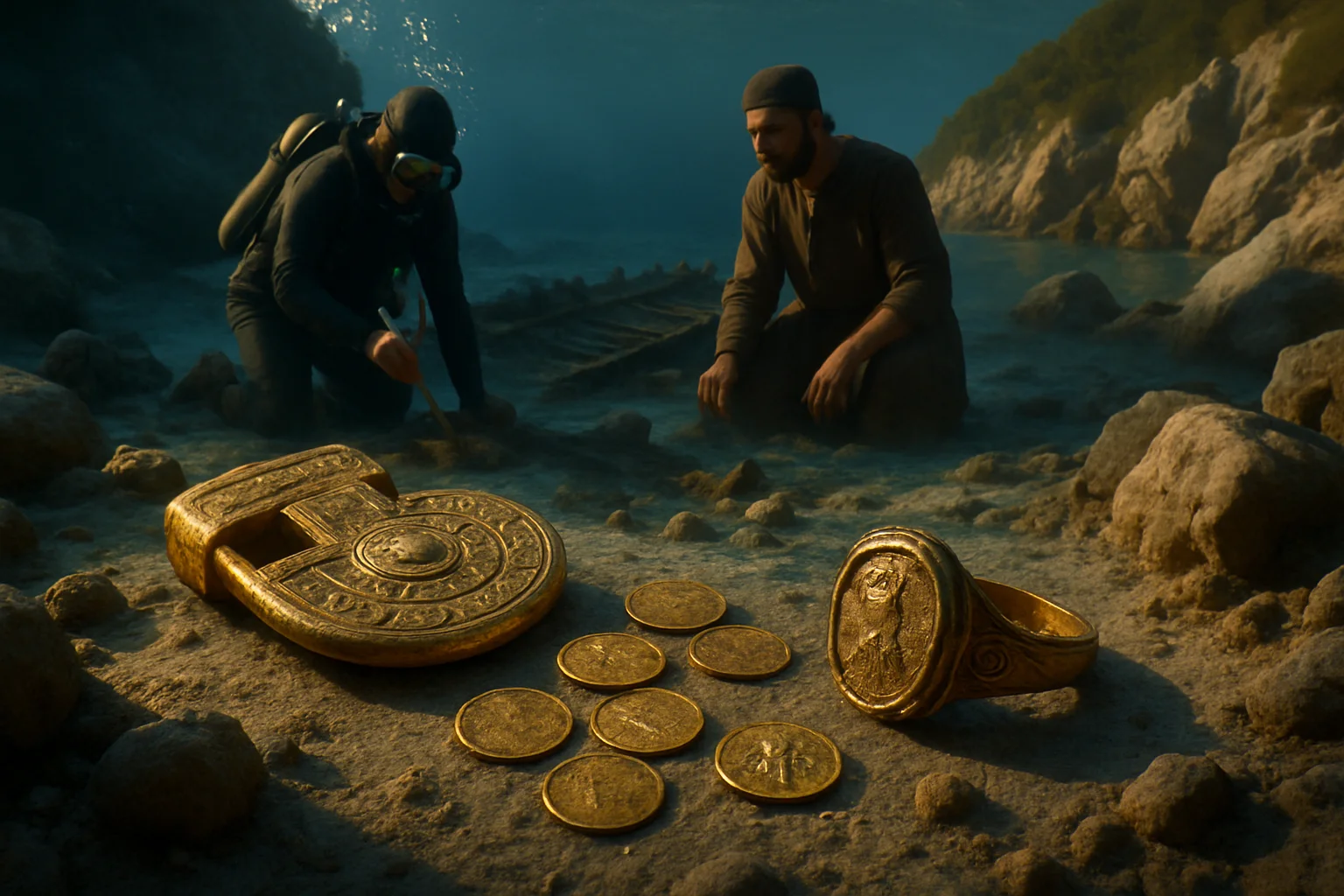
Gold buckles, coins and an imperial signet ring from a seventh- or eighth-century wreck off Croatia suggest that the vessel carried an elite passenger or official entourage.
A new metagenomic study mapped human, microbial, plant and animal traces in official 1978 Turin Shroud samples, but it did not authenticate the cloth.
Aquincum Museum used forensic anthropology and ancient DNA to reconstruct 16 Roman-period faces, including six life-sized silicone models.
A dated, evidence-led guide to the 2026 Iran–US conflict, the Strait of Hormuz, nuclear negotiations, Gulf bases and possible escalation paths.
The historical roots of the Iran–Israel conflict, from pre-1979 cooperation to covert operations, proxy networks and the open military phase of 2026.
An evidence-led guide to the Houthi movement, Zaydi history, Yemen’s civil war, Iranian support and attacks affecting Red Sea shipping.
A technical but accessible guide to enrichment, IAEA verification, the 2015 nuclear agreement, sanctions and the unresolved questions in 2026.
How Iran became predominantly Twelver Shia, the role of the Safavids, religious authority, Karbala memory and the political system created after 1979.
A clear distinction between Judaism as a religion and civilization, Jewish identity, the State of Israel and the diverse political movements called Zionism.
Microscopic analysis of Qafzeh 25 identified a healing sharp-force injury in a human dated between 92,000 and 145,000 years ago.
Two massive timber posts at Bulford were aligned with solstice sunrise and sunset about 500 years before Stonehenge’s stone circle.
War, migration, drought, internal rebellion and trade disruption interacted during the end of the Late Bronze Age. No single cause explains every region.
Genome-wide data from the Golden Man and 84 other Iron Age individuals suggest that Scythian elite status often moved through family networks.
The Library of Alexandria declined through multiple episodes, institutional change and political disruption rather than one clearly documented night of total destruction.
A planned fourth-century city at Ain el-Sabil in Dakhla Oasis includes a basilica, watchtowers, houses and nearly 200 Greek and Coptic ostraca.
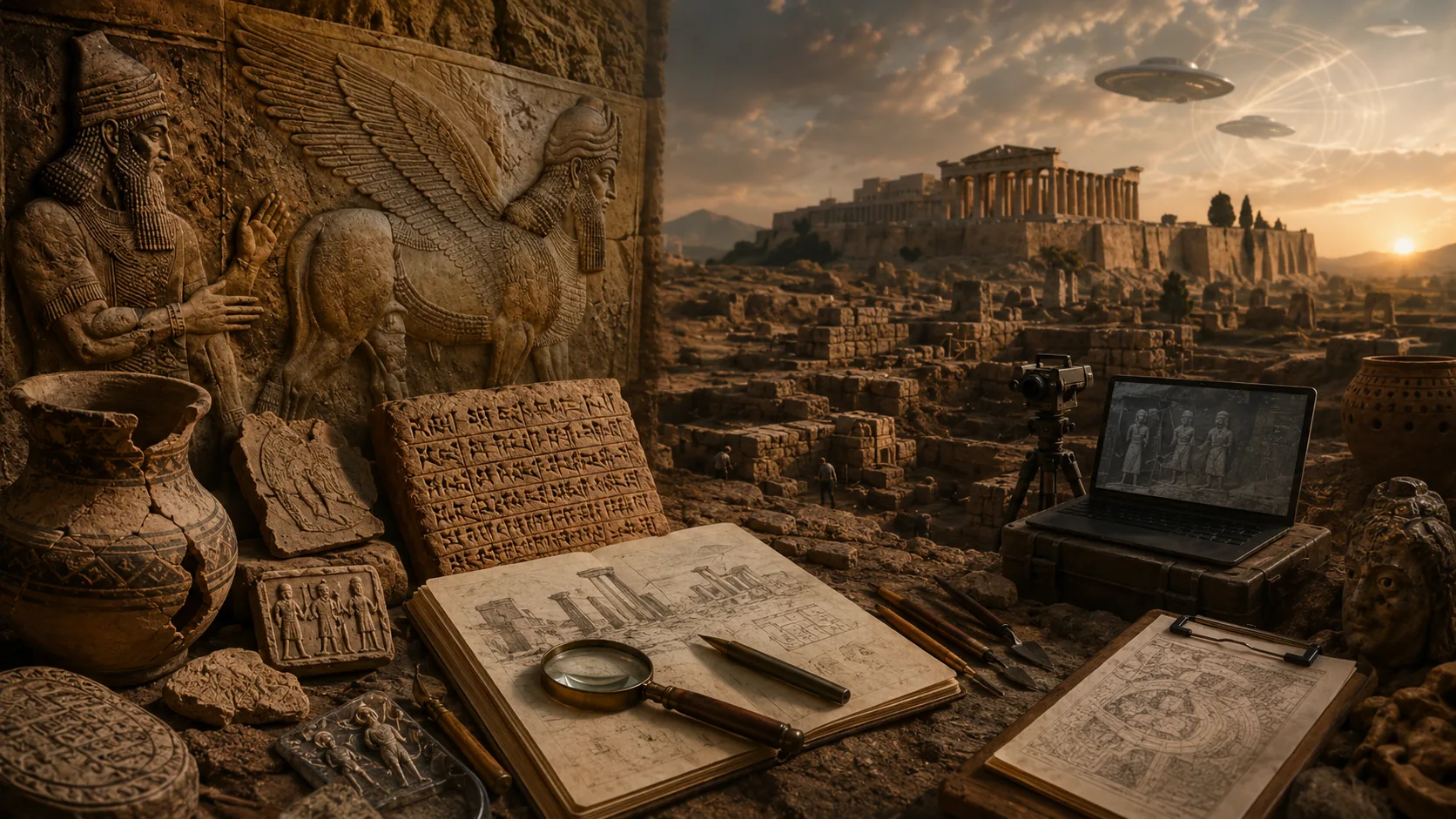
A practical method for evaluating claims about impossible monuments, mistranslated tablets, star maps and extraterrestrial intervention.
A carved Roman Genius found beneath a fourth-century barrack floor at Vindolanda reveals the religious life and reuse of stone at the empire’s northern frontier.
A wall text at Xultun attributes a sophisticated 781 CE calendrical formula involving Venus, Mars and Maya time cycles to Sak Tahn Waax.
Çatalhöyük’s closely packed houses, roof access, burials and wall art reveal a dense community that does not fit modern ideas of a city.
Eighteen burials and 24 thin gold tongue foils from Marina el-Alamein reveal how Egyptian, Greek and Roman funerary beliefs overlapped.
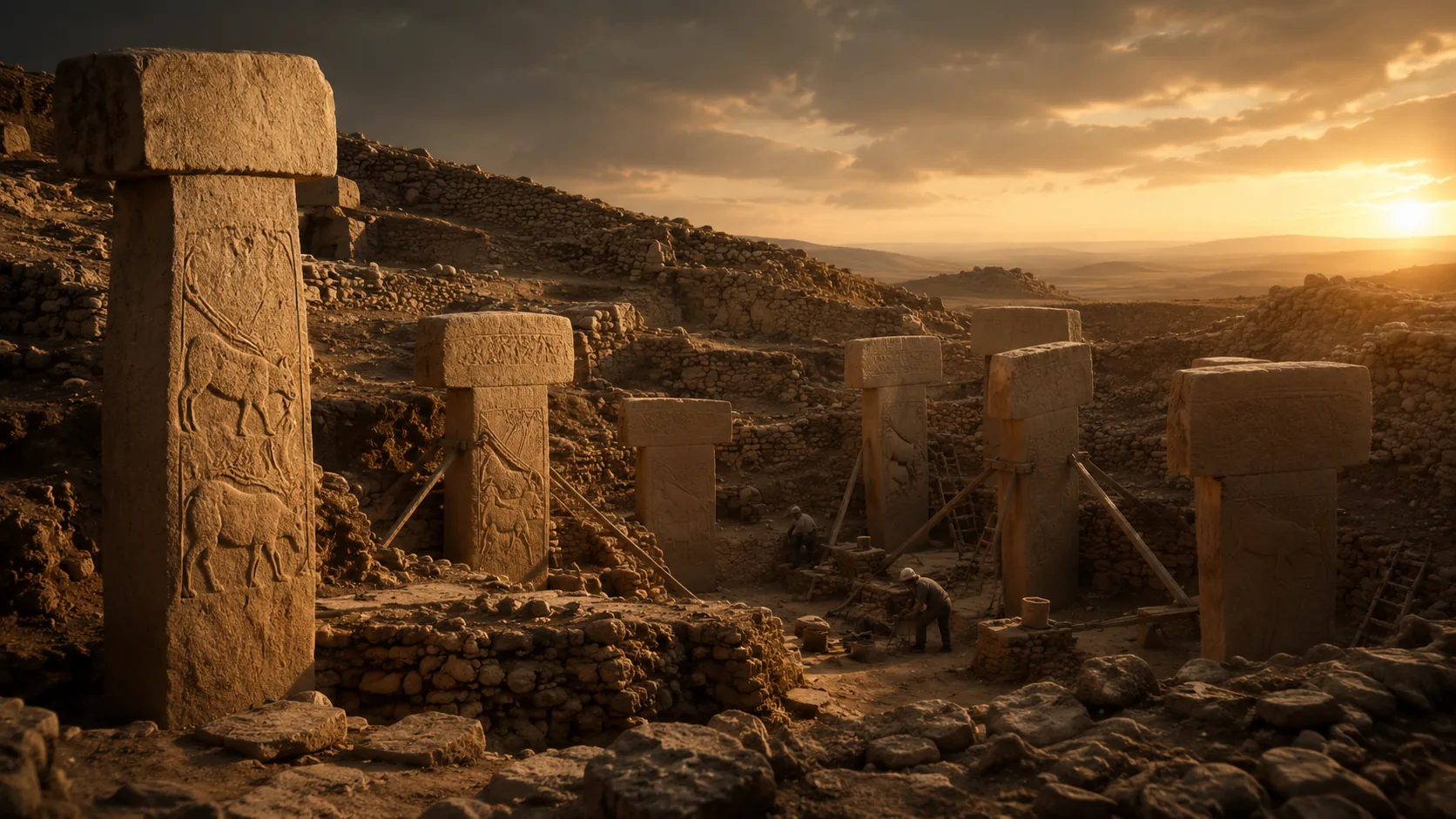
Göbekli Tepe revealed large communal buildings and carved pillars among early Neolithic communities, but it did not appear without settlement, labor or cultural context.
Historic crucible-steel blades could display flowing patterns and excellent performance. The tradition depended on materials and heat treatment, not magic.
Roman marine concrete combined lime, volcanic material and seawater in ways that could form durable mineral structures over time.
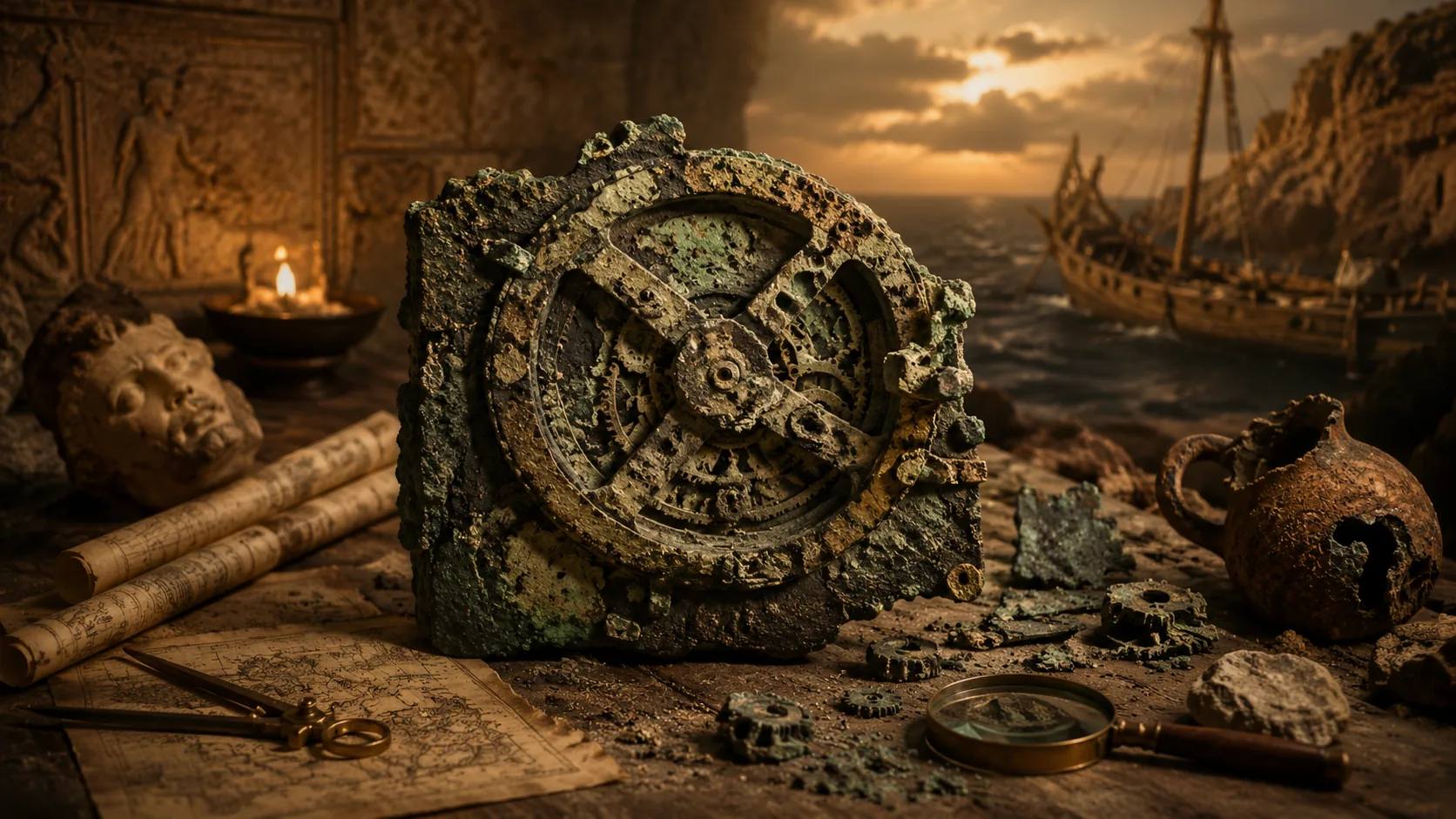
The Antikythera Mechanism used bronze gears to model astronomical cycles. It was extraordinary engineering, but not an electronic computer.
Enuma Elish is a Babylonian creation epic and a political theology of Marduk’s rise, not a scientific account of planetary collision.
Mesopotamian creation myths do describe gods making humanity, but the stories concern labor, mortality and ritual order rather than genetic engineering.
The Sumerian King List combines dynastic memory, political ideology and mythic time. Its enormous reign lengths are not verified human lifespans.
The Nazca geoglyphs were made by human communities using surveying, labor and landscape knowledge. Their exact purposes remain debated.
The surviving Piri Reis map is an exceptional Ottoman work, but its distorted southern coastline is not accepted evidence of an ice-free Antarctica.
Derinkuyu was expanded and reused across centuries. Geology, defense, storage and community organization explain its underground architecture.
The objects called Priam’s Treasure became part of a dispute about dating, excavation ethics, removal, war and cultural ownership.
Old maps used Tartary for broad regions of Eurasia. The label does not prove an erased high-technology empire or a worldwide mud flood.
Karahan Tepe expands the study of early monumental landscapes beyond Göbekli Tepe and reveals a regional network of Neolithic communities.
Baalbek’s giant blocks are genuine engineering achievements. Their scale does not require aliens, anti-gravity or a vanished super-civilization.
Nibiru is an ancient astronomical and divine term whose meaning changes by context. The modern hidden-planet story is not a standard translation of Mesopotamian texts.