
HISTORY & EVIDENCE
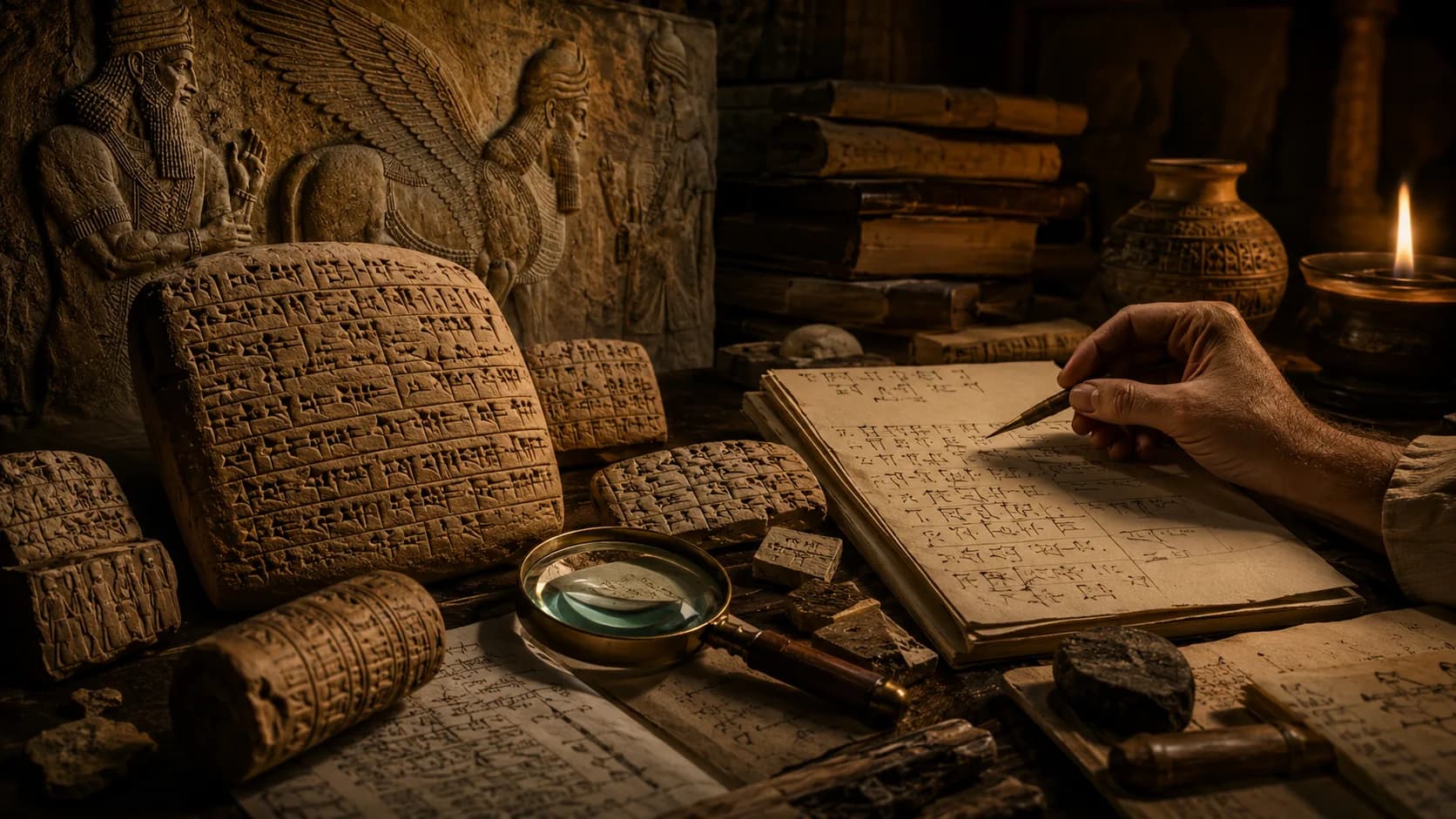
Behistun Inscription Decipherment: How Cuneiform Was Read
How the multilingual Behistun Inscription gave scholars a comparative key for reading Old Persian, Elamite and Babylonian cuneiform.
Read onArchaeology, ancient worlds and the evidence they left behind.
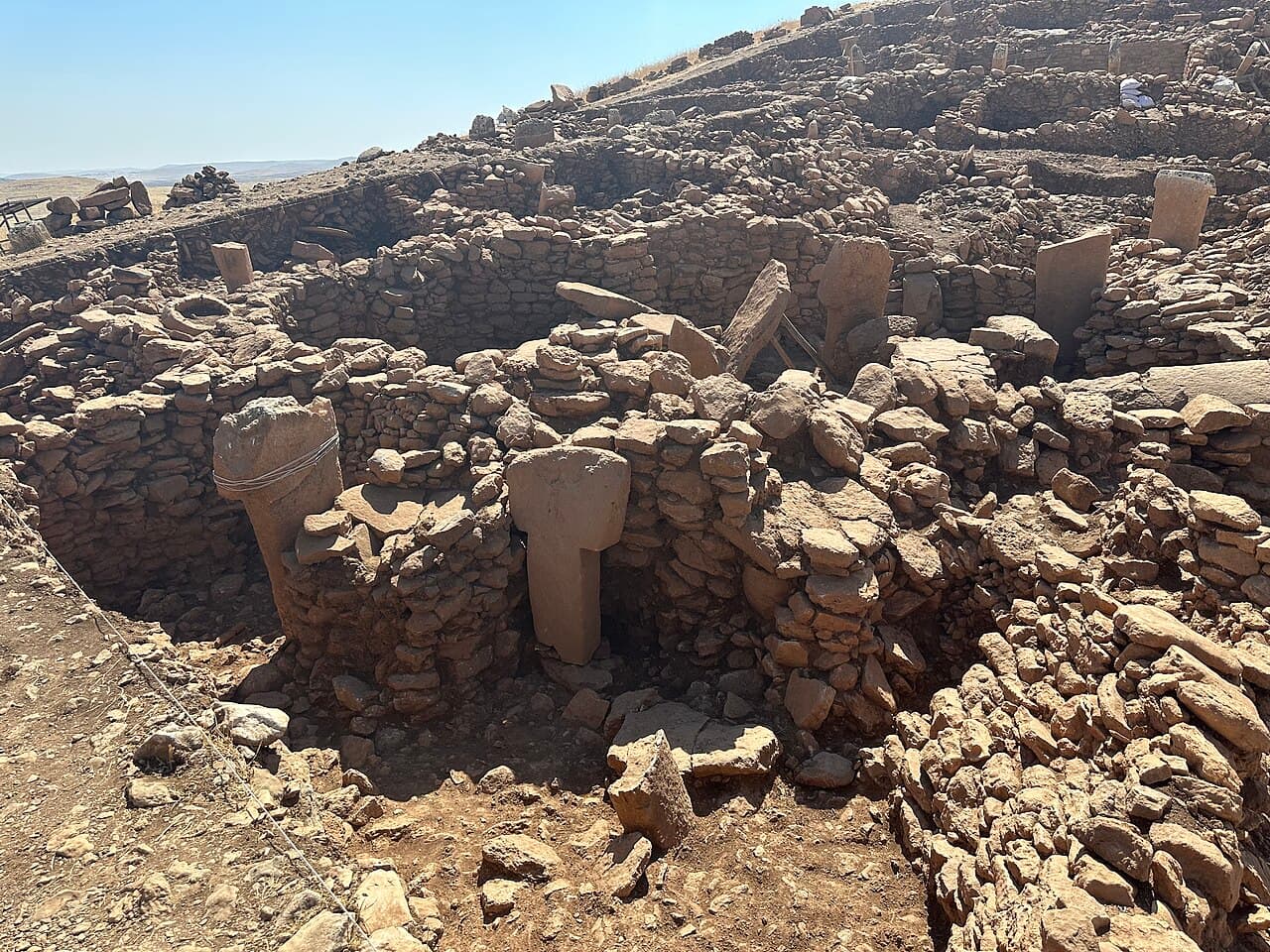
Karahan Tepe expands the study of early monumental landscapes beyond Göbekli Tepe and reveals a regional network of Neolithic communities.
Read the storyPhoto: Vincent Vega · CC BY-SA 4.0
How the multilingual Behistun Inscription gave scholars a comparative key for reading Old Persian, Elamite and Babylonian cuneiform.
Read on
The Sumerian King List combines dynastic memory, political ideology and mythic time. Its enormous reign lengths are not verified human lifespans.
Read on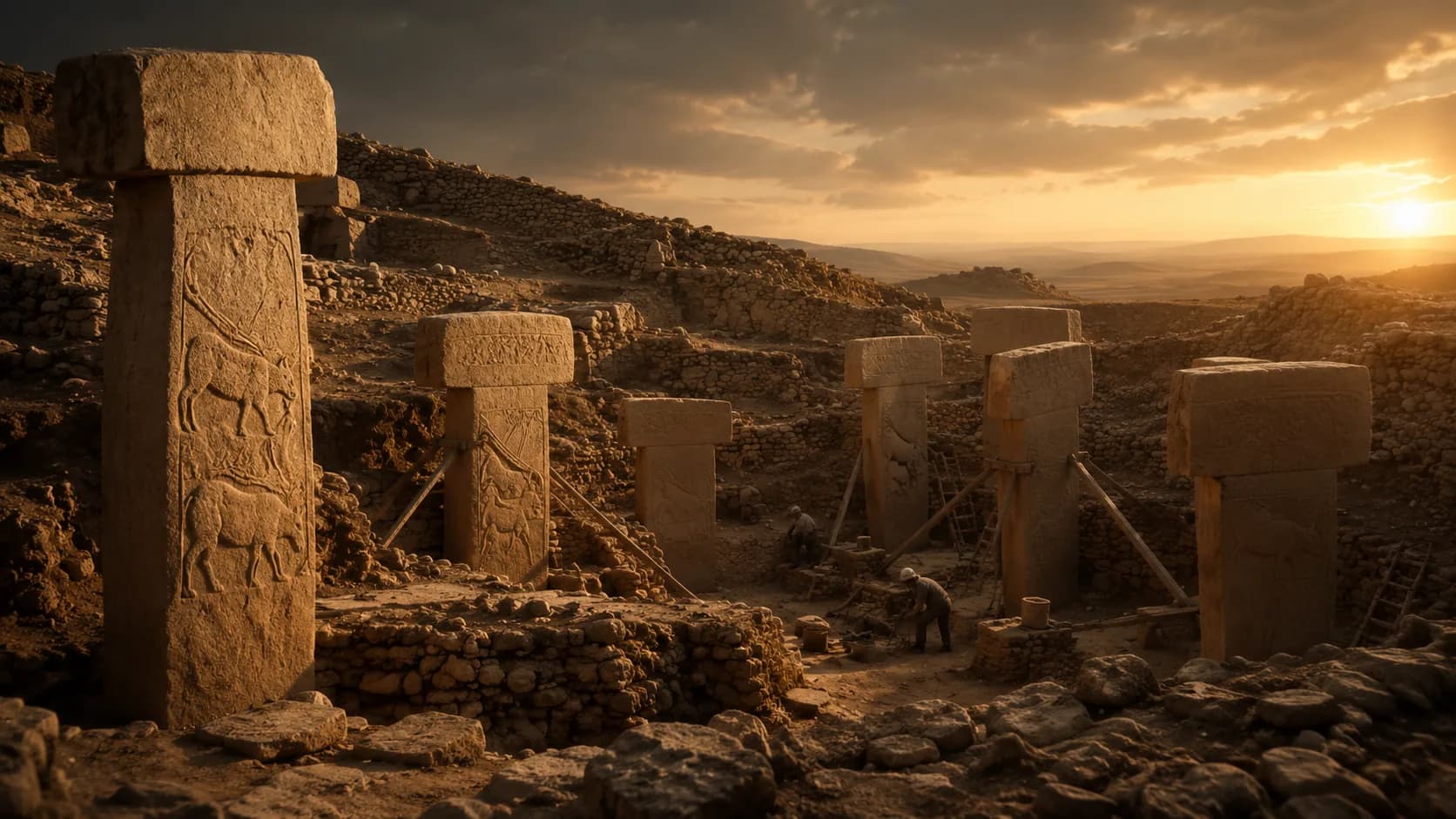
Göbekli Tepe revealed large communal buildings and carved pillars among early Neolithic communities, but it did not appear without settlement, labor or cultural context.
Read on
Çatalhöyük’s closely packed houses, roof access, burials and wall art reveal a dense community that does not fit modern ideas of a city.
Read on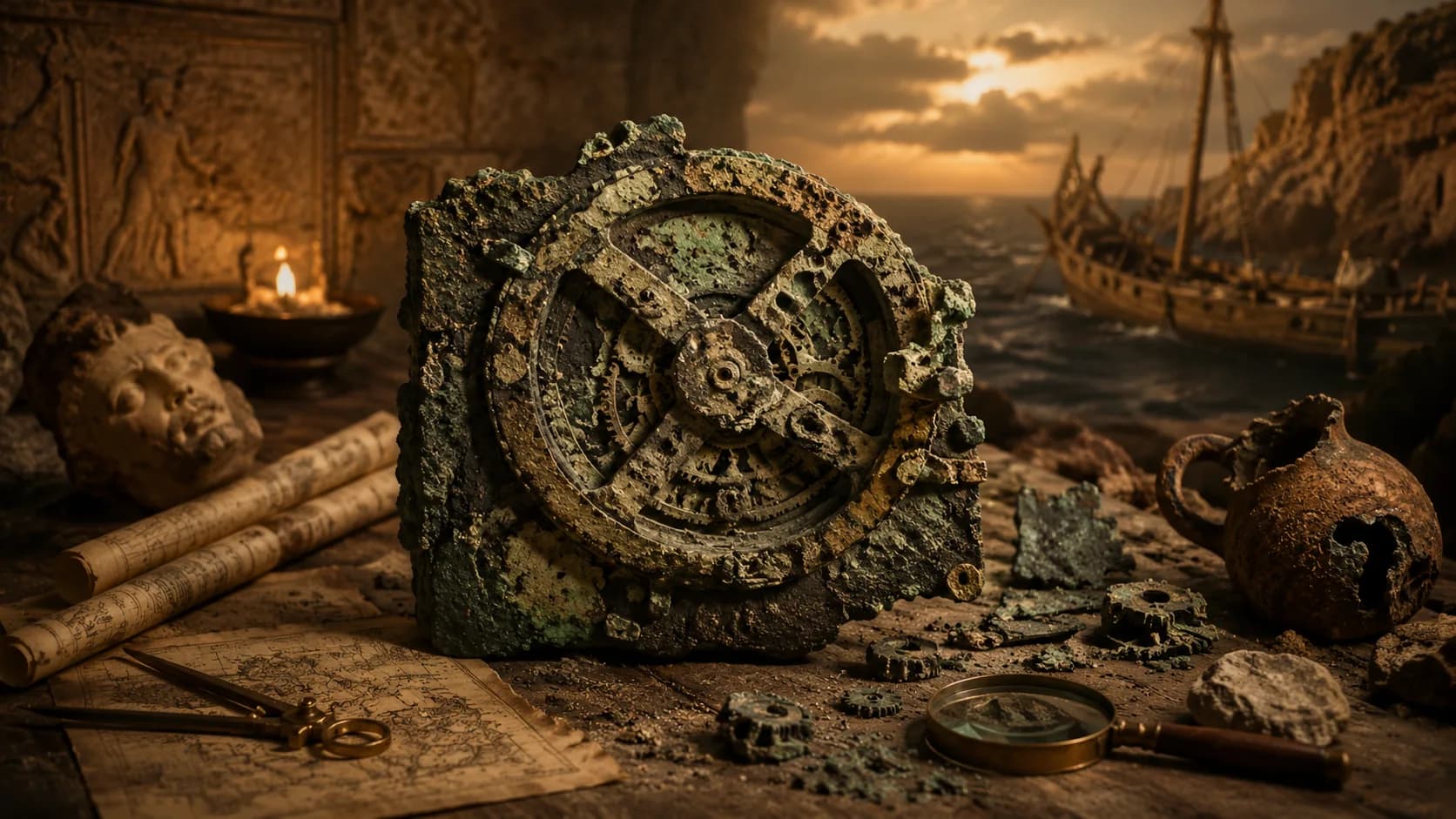
The Antikythera Mechanism used bronze gears to model astronomical cycles. It was extraordinary engineering, but not an electronic computer.
Read on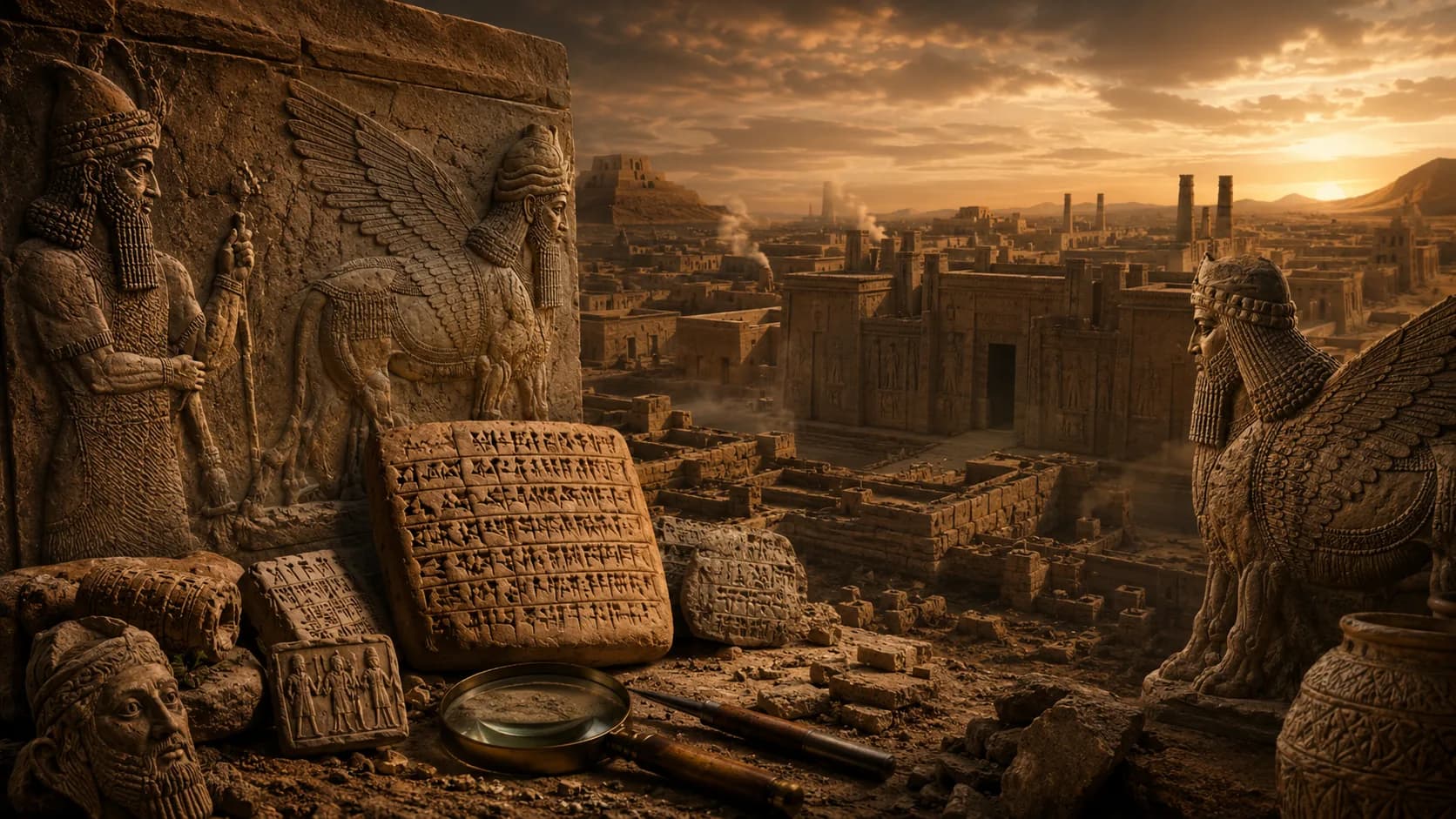
The Anunnaki were a changing group of deities in Mesopotamian religion, not a single fixed list. See how Sumerian and Akkadian texts use the term and what modern claims get wrong.
Read on103 articles to explore at your own pace.