The BKRGY Gong and a Market’s Long Road: From Dersaadet Bonds to the Yıldız Market
Using Bakırcı GYO’s (BKRGY) first trading on 2 September 2026, we trace Istanbul’s capital market history from 19th‑century Dersaadet bond trading to the present-day Borsa İstanbul.
What happened today?
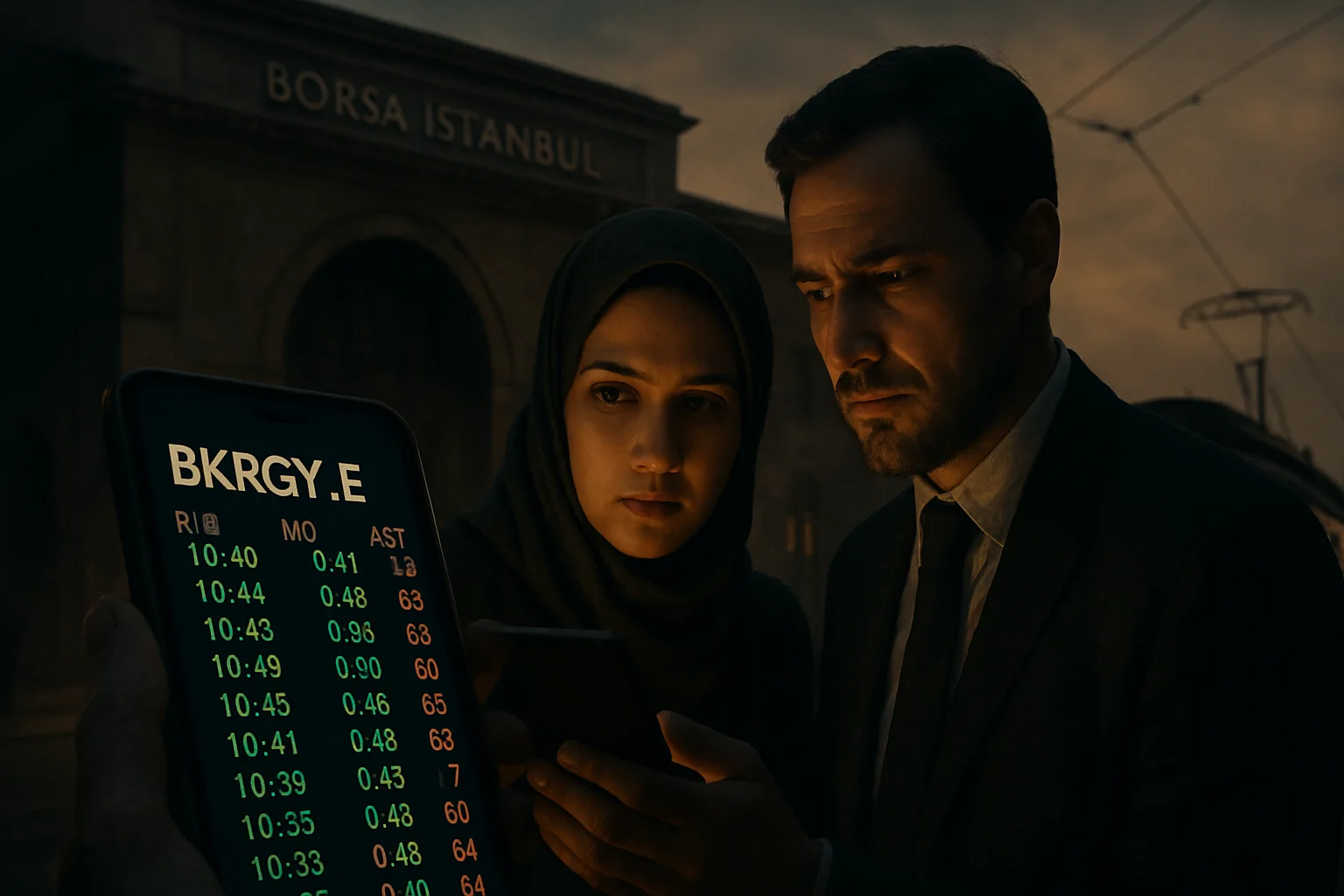
On the morning of 2 September 2026, Bakırcı Gayrimenkul Yatırım Ortaklığı began trading on Borsa İstanbul’s Yıldız Market under the code "BKRGY.E" with a base price reported at 12.93 Turkish lira. Public disclosure filings and market press confirmed the listing and trading start date. Smaller real estate investment trusts (REITs) and SMEs listing on the Yıldız Market have been a visible trend in recent years, reflecting broader efforts to widen access to public capital. (Source: Ekotürk KAP coverage.)
How did Istanbul get a stock market?
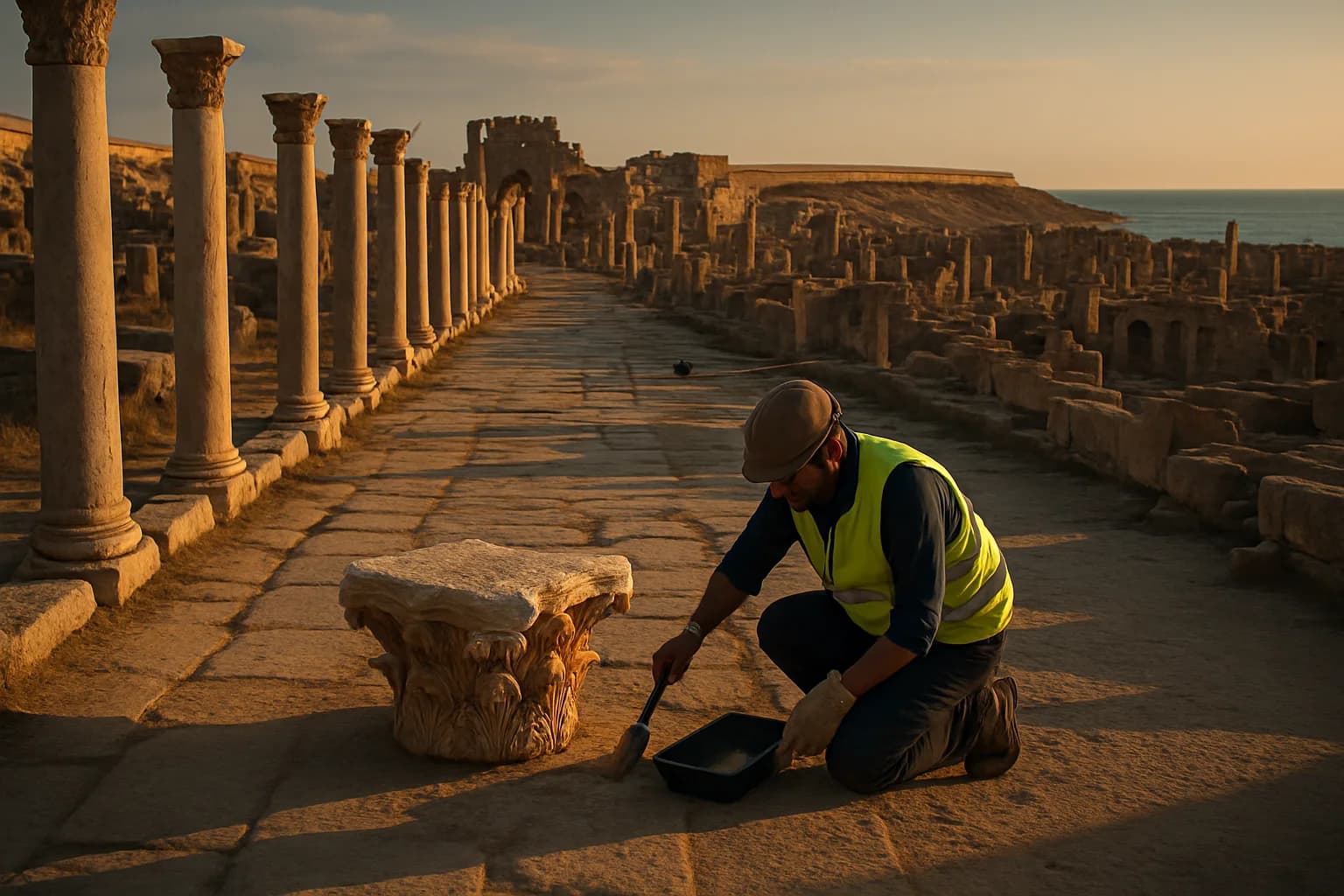
The roots of today’s Borsa İstanbul trace back to mid‑19th‑century developments in Ottoman finance. Following the Crimean War and rising Ottoman external debt, a trading environment for government debt instruments emerged in Istanbul. In 1866 the institution commonly referred to as the Dersaadet Tahvilât Borsası was established — the first organized market for bonds and similar instruments in the city. Over the following decades the market evolved, at times under new names and regulations, reflecting the changing fiscal and political context of the empire. (Sources: SPK historical summaries; Borsa İstanbul historical pages.)
Interruptions and institutional rebirth
From World Wars to the early republican reforms, the continuity of a modern securities market was repeatedly challenged. Although the Republic legislated for securities exchanges in the 1920s and 1930s, a fully institutionalized stock exchange with continuous equity trading did not emerge until the 1980s. The Istanbul Stock Exchange (İMKB) was established in 1985 and began trading on 3 January 1986, marking a new institutional chapter in Turkish capital markets. (Sources: SPK; Borsa İstanbul milestones.)
The Yıldız Market: a place for smaller listings
Within Borsa İstanbul, the Yıldız Market functions as a market segment in which smaller companies, niche issuers, or alternative listing categories can trade. Listings like Bakırcı GYO’s reflect a structural opening that enables companies to raise capital publicly while also signaling the need for robust disclosure and investor protection measures appropriate to smaller or newer issuers.
Regulation matters: lessons from the past
Early Ottoman markets operated with weak oversight and were vulnerable to speculative excesses — a pattern that regulators in the Republic sought to rectify. Over recent decades the Capital Markets Board (SPK) and Borsa İstanbul have developed listing rules, reporting requirements and trading oversight mechanisms intended to reduce asymmetric information and market abuse. Contemporary listings therefore rest on an administrative and legal scaffolding that differs sharply from 19th‑century practices. (Sources: SPK documentation; Borsa Istanbul manuals.)
Market culture and oral history
The evolution of Istanbul’s markets is as much social as it is institutional. Oral histories with brokers, exchange officials and market intermediaries recount transitions from the Galata‑centered finance world of the 19th century to the computerized trading floors and electronic order books of late 20th‑ and early 21st‑century Istanbul. These personal accounts illuminate how local practices, networks and technology reshaped market behaviors across generations. (Sources: Borsa İstanbul publications and oral history projects.)
Why listings still matter
A new public listing is more than a headline: it changes corporate governance incentives, public visibility and channels for raising growth capital. For investors, more listings expand choices but heighten the importance of due diligence. For policy makers, a diverse pool of listed firms indicates market depth but also requires continuing improvements in disclosure, enforcement and investor education.
From Dersaadet to today: a tentative conclusion
The arc from Dersaadet’s bond traders to BKRGY’s modern order book underlines continuity and change. Financial needs, political structures and technology have repeatedly remade Istanbul’s markets. Contemporary listings like Bakırcı GYO’s are small but meaningful episodes within that longer trajectory: evidence that capital markets continue to adapt, expand and remain historically rooted institutions.
Suggested further reading
- Borsa İstanbul corporate timeline and milestones (borsaistanbul.com).
- SPK historical overviews and guidance documents on market structure.
- Academic studies on Ottoman finance and the Dersaadet exchanges.
- Contemporary KAP announcements and market reporting on BKRGY’s listing.
Frequently asked questions
What is BKRGY and when did it start trading?
BKRGY is the ticker for Bakırcı Gayrimenkul Yatırım Ortaklığı. According to public disclosures and market reporting, it began trading on the Yıldız Market on 2 September 2026 under the code BKRGY.E.
When was the first stock market in Istanbul established?
Organized trading in government debt in Istanbul dates to the mid‑1860s with institutions commonly described as the Dersaadet Tahvilât Borsası (around 1866).
When did the modern Istanbul Stock Exchange begin?
The Istanbul Stock Exchange (İMKB) was created following legal reforms in 1985 and commenced trading on 3 January 1986.
What is the difference between Yıldız Market and main markets?
Yıldız Market is a Borsa İstanbul market segment for smaller or differently categorized issuers, with listing rules and investor profiles that can differ from the main market—making disclosure and investor protection particularly important.
Are there lessons from Ottoman-era markets for today?
Yes. Early markets showed how weak oversight and concentrated foreign creditor influence could create instability—lessons that helped shape modern regulatory institutions emphasizing transparency and supervision.
Sources and further reading
- Bakırcı GYO payları 2 Eylül'de Yıldız Pazar'da işlem görmeye başlayacak — Ekotürk, 2026-08-28
- Tarihsel Gelişmeler | Borsa İstanbul A.Ş. — Borsa İstanbul, accessed 2026-09-02
- İSTANBUL MENKUL KIYMETLER BORSASI (SPK PDF) — Sermaye Piyasası Kurulu (SPK), official publication (various dates); accessed 2026-09-02
- Milestones in Borsa İstanbul History — Borsa İstanbul (English), accessed 2026-09-02
- Finance in Ottoman Istanbul — Istanbul Research / istanbultarihi.ist, accessed 2026-09-02
- ‘Dersaadet Tahvilat Borsası’ ve Osmanlı’da borsa kuruluşu (academic/researchgate summaries) — ResearchGate / academic papers, academic article (various); accessed 2026-09-02
Keep exploring: Use the topic hub for closely related articles or browse the full archive instead of starting a new search.