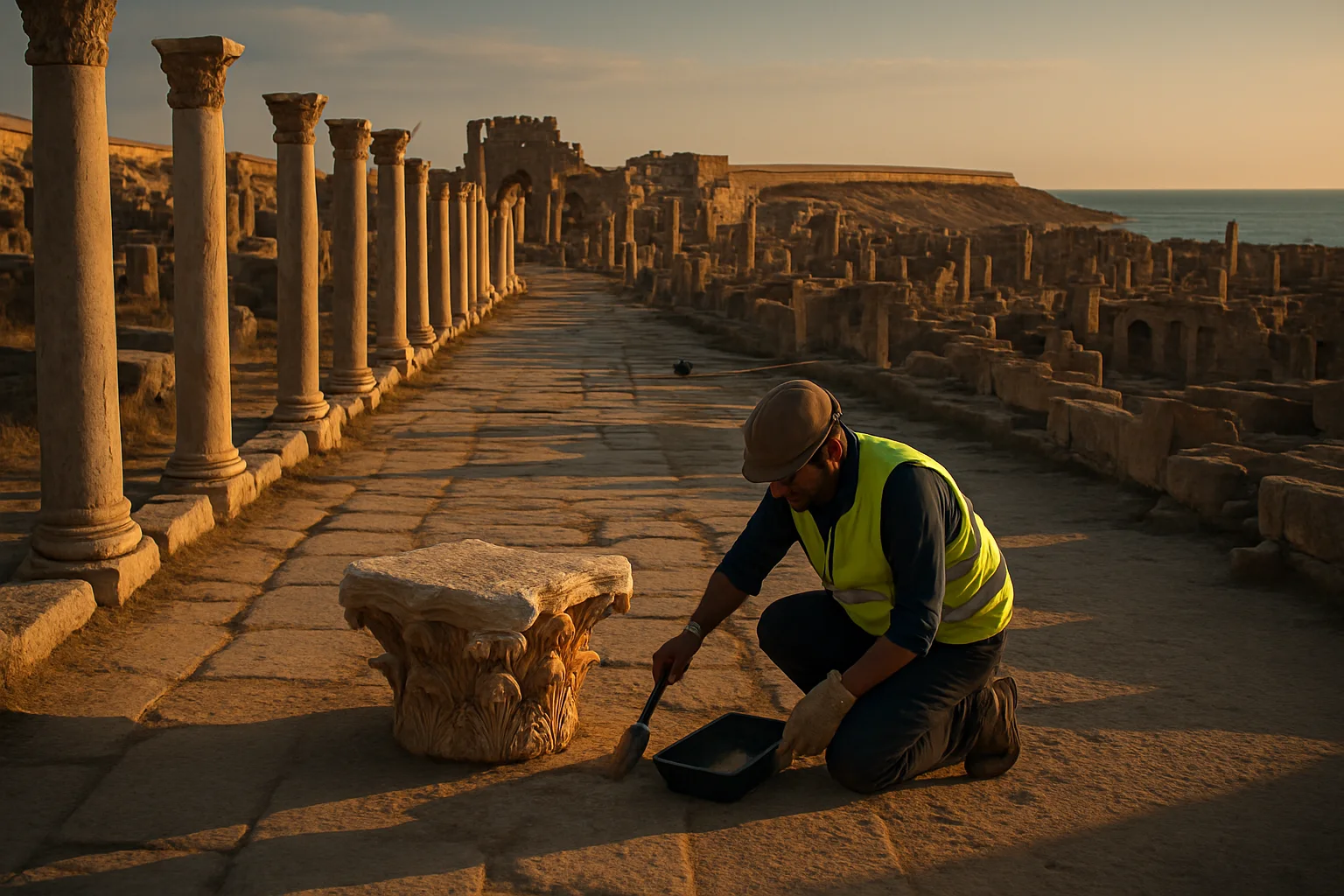
Libya’s Layers: From Leptis and Cyrene to Ottoman and Colonial Traces
An evidence-led survey of Libya's coastal archaeological sites, Ottoman and Italian legacies, and the contemporary challenges of protecting cultural heritage.
1. Coastal giants: Leptis Magna's Roman prominence
Leptis Magna sits east of present‑day Khoms at the mouth of the Wadi Lebda. Evolving from Phoenician links into a prominent Roman provincial city, Leptis received extraordinary building patronage after Septimius Severus (ruled AD 193–211), a native son, rose to the imperial throne. The monumental forum, cardo and theatre survive and the site is inscribed on the UNESCO World Heritage List. ([whc.unesco.org](https://whc.unesco.org/en/list/183))
2. Cyrene: an eastern Mediterranean intellectual center
Near modern Shahhat, Cyrene was founded in the 7th–6th centuries BCE as a Greek colony; it developed Hellenistic, Roman and later layers visible in temple architecture, agoras and funerary landscapes. UNESCO maintains Cyrene as a World Heritage property and highlights its vulnerability and conservation needs. ([whc.unesco.org](https://whc.unesco.org/en/list/190))
3. Modern risks: conflict, floods and heritage loss
Recent years have brought svere tests to Libya's cultural heritage: civil strife, infrastructure collapse and major flood events have damaged sites and museum holdings. UNESCO-led assessments after the 2023 floods documented damage in Cyrene, Derna and other localities and set priorities for emergency action and long‑term recovery. ([unesco.org](https://www.unesco.org/en/culture-emergencies/heritage-emergency-fund/emergency-assessment-mission-flood-affected-region-libya))
4. Ottoman rule and local social layers
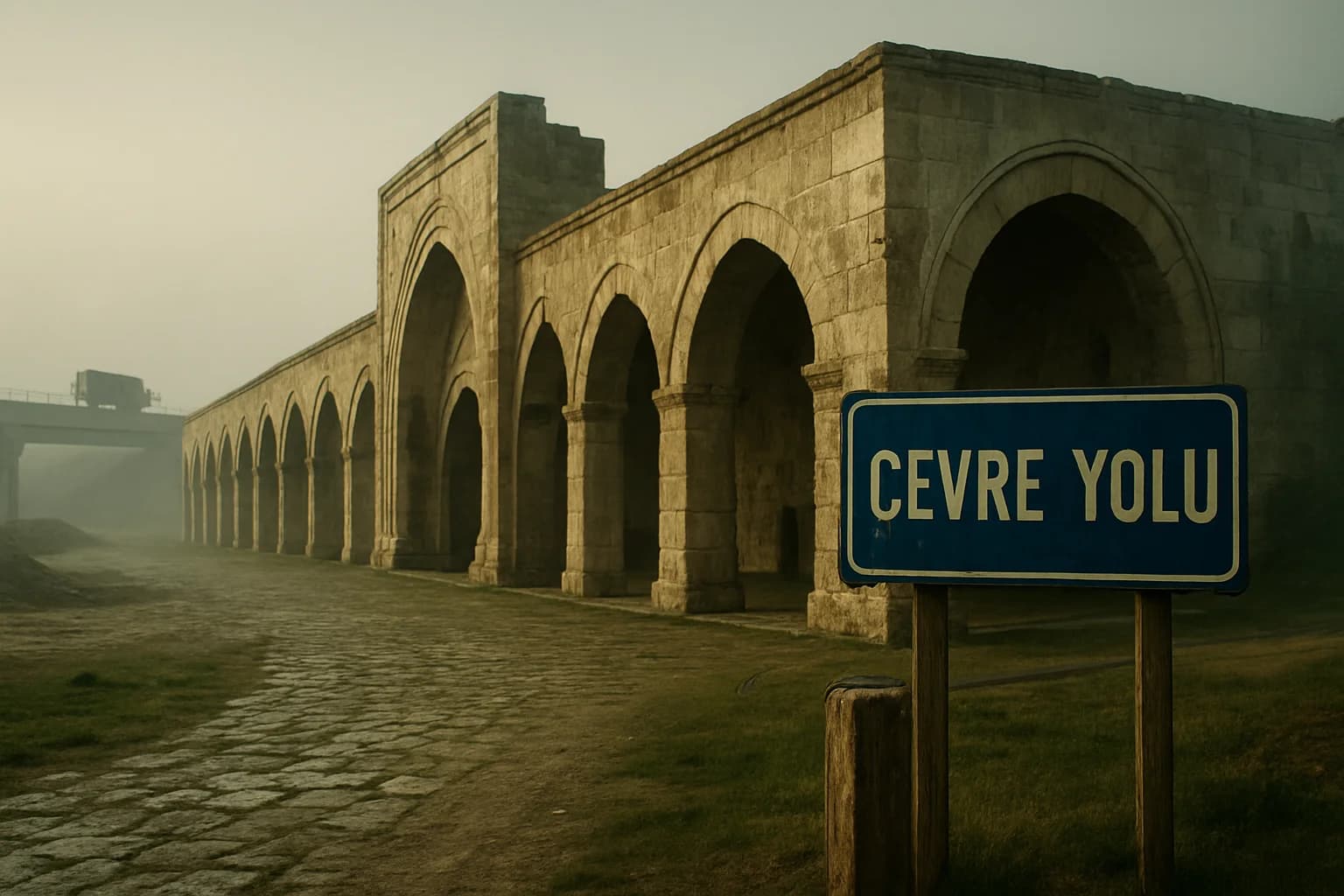
From the 16th century the western Libyan coast fell under Ottoman sway. Through the 19th century the region experienced administrative reforms and episodes of local resistance. Ottoman-era urban fabrics, demographic legacies (including communities of mixed descent historically called Kouloughlis) and legal records contribute an important layer to Libya's historical identity. Over time, Ottoman structures set the stage for the Italo‑Ottoman conflict of the early 20th century. ([jimclifford.ca](https://jimclifford.ca/britannica-articles-4/a/EB.16/193819047/452.html))
5. The 1911 war and Italian colonial imprint
The Italo‑Turkish War (1911–1912) ended Ottoman control over Tripolitania and Cyrenaica and led to Italian colonization. The colonial administration reconfigured infrastructure, promoted archaeological campaigns and created settler landscapes — but its policies also involved violent pacification campaigns and forced relocations that reshaped social geographies. These colonial interventions left enduring physical and documentary traces that complicate heritage narratives. ([worldhistory.org](https://www.worldhistory.org/article/2722/italian-colonialism-in-libya/))
6. International protection mechanisms and their limits
UNESCO listings and decisions — including 'in danger' designations — frame global attention and can unlock technical and financial assistance. Yet the implementation of protective measures in Libya has been hindered by governance fragmentation and security concerns; UNESCO documents repeatedly call for coordinated international support and anti‑trafficking measures. ([whc.unesco.org](https://whc.unesco.org/en/decisions/7647))
7. Community, ownership and the ethics of intervention
Effective conservation must integrate local stakeholders: training local conservators, supporting museum infrastructures and ensuring that interventions respect community priorities. International teams can assist, but sustainable protection requires Libyan institutional capacity and transparent collaboration on provenance and restitution questions. UNESCO emergency reports emphasize capacity building as a central need. ([unesco.org](https://www.unesco.org/en/culture-emergencies/heritage-emergency-fund/emergency-assessment-mission-flood-affected-region-libya))
8. Practical priorities for safeguarding Libya's heritage
Based on UNESCO assessments and scholarly literature, priority actions include: rapid damage inventories; disaster‑risk planning for heritage sites; digitization of archives and collections; funding for in‑situ conservation; and strengthened cross‑border cooperation to curb illicit trafficking. Addressing colonial‑era documentation gaps by digitization would also help clarify provenance and legal claims. ([whc.unesco.org](https://whc.unesco.org/en/list/183/documents))
Interpretation: The archaeological grandeur of Libya's coastal cities coexists with modern political and environmental fragilities; preserving those layers will demand sustained international support anchored in Libyan leadership and community participation.
9. Why today's interest matters
Public attention—whether sparked by politics, media coverage or anniversaries—can be channeled into constructive outcomes: fundraising for conservation, academic partnerships, and public diplomacy that foregrounds shared Mediterranean heritage. For historians and conservators, Libya offers a living classroom in how deep time and recent history intersect in stone, archive and memory. ([whc.unesco.org](https://whc.unesco.org/en/list/183))
Frequently asked questions
Why are Leptis Magna and Cyrene considered globally important?
They preserve exceptional sequences of Phoenician, Greek and Roman urbanism and architecture, offering rare continuity of material culture along the southern Mediterranean coast.
What immediate threats face Libya's archaeological sites?
Flooding, looting, weak site management capacity and the aftereffects of conflict are the primary immediate threats.
Did Ottoman rule leave visible traces in Libya today?
Yes—administrative divisions, some building fabric and demographic legacies reflect centuries of Ottoman interaction with local societies.
How can international actors help without overriding local authority?
By prioritizing capacity‑building, transparent funding, joint training programs and agreements that return agency to Libyan institutions and communities.
Sources and further reading
- Archaeological Site of Leptis Magna — UNESCO World Heritage Centre, 1982 (WH listing); documents updated 2019–2026
- Archaeological Site of Cyrene — UNESCO World Heritage Centre, 1982 (WH listing); documents updated 2019–2026
- Emergency assessment mission to the flood affected region of Libya — UNESCO Heritage Emergency Fund / UNESCO, 2024
- Italian Colonialism in Libya — World History Encyclopedia, 2025 (updated)
- Tripoli (historical overview) — Encyclopaedia Britannica, Accessed 2026
Source trail
Selected references and research starting points
- UNESCO World Heritage Centre, Archaeological Site of Leptis Magna, 1982 (WH listing); documents updated 2019–2026, Open source
- UNESCO World Heritage Centre, Archaeological Site of Cyrene, 1982 (WH listing); documents updated 2019–2026, Open source
- UNESCO Heritage Emergency Fund / UNESCO, Emergency assessment mission to the flood affected region of Libya, 2024, Open source
- World History Encyclopedia, Italian Colonialism in Libya, 2025 (updated), Open source
- Encyclopaedia Britannica, Tripoli (historical overview), Accessed 2026, Open source
The list is a research trail. Specific claims should be checked against the cited edition, object record or publication.
How this page is handled: Evidence, interpretation and modern speculation are separated. Material corrections are reflected in the article date.